Humans are creatures of habit, looking for familiar patterns that we inadvertently lean on. Like taking the same route to work, or sleeping on a particular side of the bed.
These habits translate over to Ramadan too. Those who prepare throughout Shaban tend to do so every year, and those who begin their Ramadan preparations the night before usually have a history of this.
But we can also split Ramadan into 3 common trends and pitfalls.
Phase 1 – Extreme enthusiasm
It is a wonderful gift to begin Ramadan with energy and passion – these are attributes to treasure. But they should also be coupled with realism. Should you stay awake the whole night when you have work, children, or other commitments to tend to in the morning. Or is it possible to set a realistic time where you will pause, and set the intention that you would have spent the whole night in prayer if you were able to? Create a realistic timeline for the month that pushes you but is achievable alongside your responsibilities.
Remember there is reward in providing and caring for your family too.
Eagerness without recognition of the context around you could lead to burnout and disappointment, ultimately reducing your ability to make the most of Ramadan.
The Asharas of Ramadan
The Messenger of Allah ﷺ said, “‘It is a month whose beginning is mercy, whose middle is forgiveness, and whose end is salvation from Hell. If anyone makes things easy for His slave during it, God will forgive him and free him from Hell.’” (Mishkat al-Masabih, Kitab as-Saum, Hadith 1965)
Allah has offered us mercy in the first ten days of the month of Ramadan. We should understand that although He wants us to push ourselves in Ramadan, He is Merciful to those who have commitments, and knows the desire we have to worship more than our responsibilities permit.
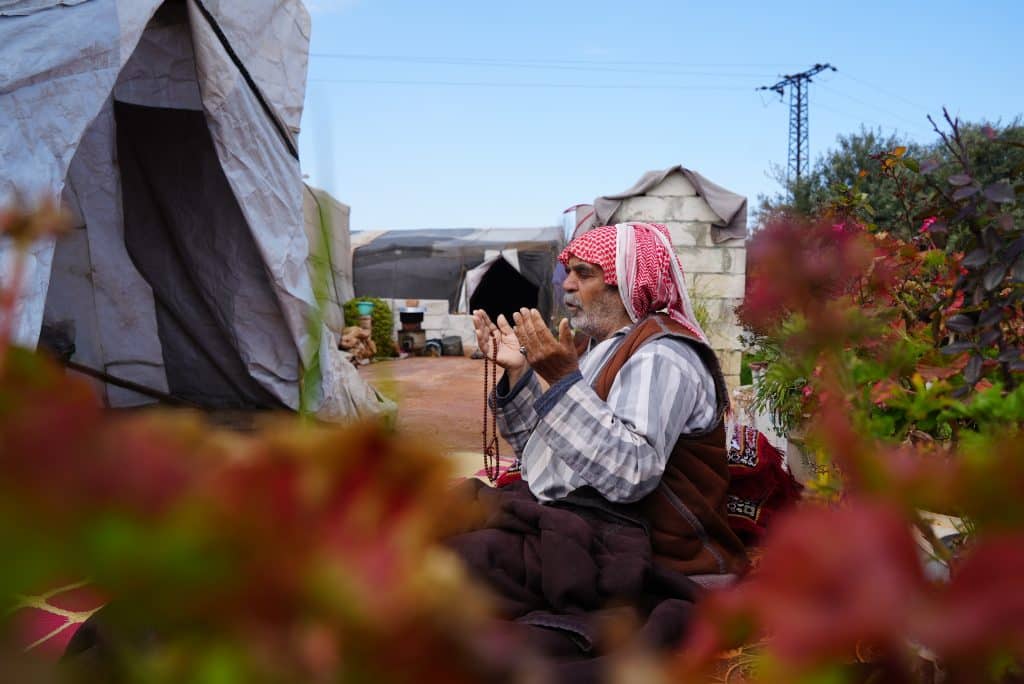
A dua for the first ten days
يَا حَيُّ يَا قَيُّومُ بِرَحْمَتِكَ أَسْتَغيثُ
Oh Everliving, The Everlasting, I seek Your help through Your mercy.
Phase 2 – The mid-month slump
By mid-Ramadan, maybe the excitement of the new month has worn off, and there is still so much of Ramadan left. Maybe you’re feeling tired and want to preserve energy for the last 10 days, or you’re feeling guilty for not living up to your expectations, or feel like you won’t ever reach your goals.
All of these emotions are deceptions of the brain and a test of your determination. There is still plenty of time to reach your goals if you break them down into digestible chunks – can you read an extra page of Quran with every prayer?
It’s helpful to remember that deeds are rewarded on their intention, so even if you don’t hit your goals, keep trying and striving with the intention of meeting your goals, and inshallah, Allah will open up your path or reward you for the intention you had.
I seek forgiveness from Allah for all my sins and turn to Him.
Phase 3 – Desperation
For a poorly planned Ramadan, it can be common to reach the last ten days and be hit by a state of panic. Perhaps you’ve not prepared in a way that sets you up for a final push in the last ten days, or maybe you feel like you’ve missed your opportunity. This is negative influence that you must stand strong against. Even if you have done nothing to observe the first 20 days but fast, you still have a chance of the reward of 80 years by worshiping in the last 10 days.
Once the last 10 days begin, it’s a good time to push yourself, give your full energy, while saving enough to ensure you don’t give up after the 27th night. Remember, Laylatul Qadr could be on any of the last 10 nights.
O Allah, indeed You are Pardoning, [Generous,] You love pardon, so pardon me
It’s never too late
No matter how many days of Ramadan are left, seek Allah’s forgiveness and ask Him to allow you to worship consistently for the rest of Ramadan.
This is why it’s so important to treat Ramadan as a marathon rather than a sprint. We shouldn’t give our entire energy from the start unless we have no other commitments, which is extremely rare in the modern world.
May Allah allow us to worship Him consistently and purposefully, and reward us for our intention. May He accept all our acts of worship inshallah.
The Night of Decree is better than a thousand months. The angels and the Spirit descend therein by permission of their Lord for every matter. Peace it is until the emergence of dawn. (Quran 97:3-5)
The Night of Power, or Laylatul Qadr is the most sacred night. On this night, the Quran was first revealed to the Messenger ﷺ. But what are the benefits of this night, and what should we do on it to reap the blessings?
Blessings of Laylatul Qadr
Rewards of over 1,000 months. If you spent the whole night in prayer you’d receive the blessing of over 80 years of prayer – an entire lifetime.
The angels descend, delivering salams and carrying out God’s decree
The night when Allah determines our destiny for the year
Types of worship to do on Laylatul Qadr
Prayer
Perform taraweeh and continue as long as you can. Break up your prayer with other forms of worship
Reading Quran
Push extra hard in the last 10 days
Duas
Keep a list of duas to request every night if Ramadan, but ask as deeply and consistently as you can throughout the night.
Istighfar and adhkar
Ask Allah to wipe away your sins.
Charity
Invest in your akhirah by giving a waqf, which provides blessings year after year. The Waqf Fund never spends your charity, only generating halal profit to help vulnerable people.
When is Laylatul Qadr?
The Messenger of Allah ﷺ said, “I was informed of (the date of the Night of Qadr) but I was caused to forget it; so search for it in the odd nights of the last ten nights of the month of Ramadan.” (Bukhari)
Scholars believe that Laylatul Qadr likely falls in the last 10 nights, but since there is so much room for error, they encourage us to worship consistently across all 10 nights, and especially not to neglect the nights after the 27th, which is commonly believed to have the most evidence to support it as Laylatul Qadr.
But here’s the thing; it’s very likely that Laylatul Qadr changes night every Ramadan. And it’s also quite likely that we get our Ramadan start day incorrectly as there is room for interpretation. This is why it’s important to pace yourself across the last 10 nights – and the bonus (and divine wisdom) in this is that you also get the multiplied blessings of Ramadan for all 10 nights, regardless of when the Night of Power is.
The characteristics of Laylatul Qadr:
Some of the descriptions of Laylatul Qadr are:
A calm, serene night
Neither very hot or very cold
A unique sunrise without rays
How do I catch Laylatul Qadr?
By worshiping every night across the last 10 nights. Remember, there are other kinds of good deeds that count as obedience, such as caring for the young of the ummah, preparing food for others and giving charity.
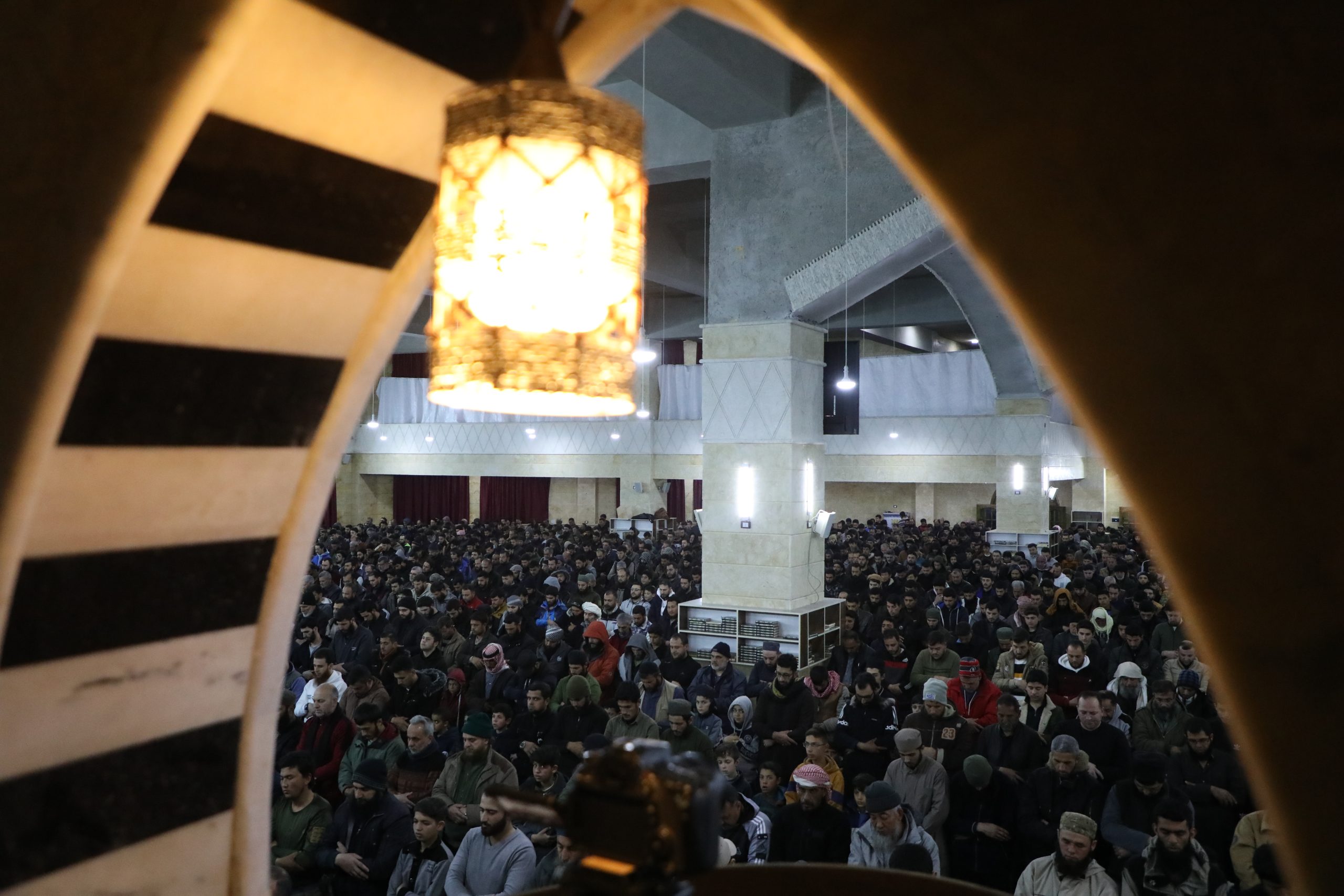
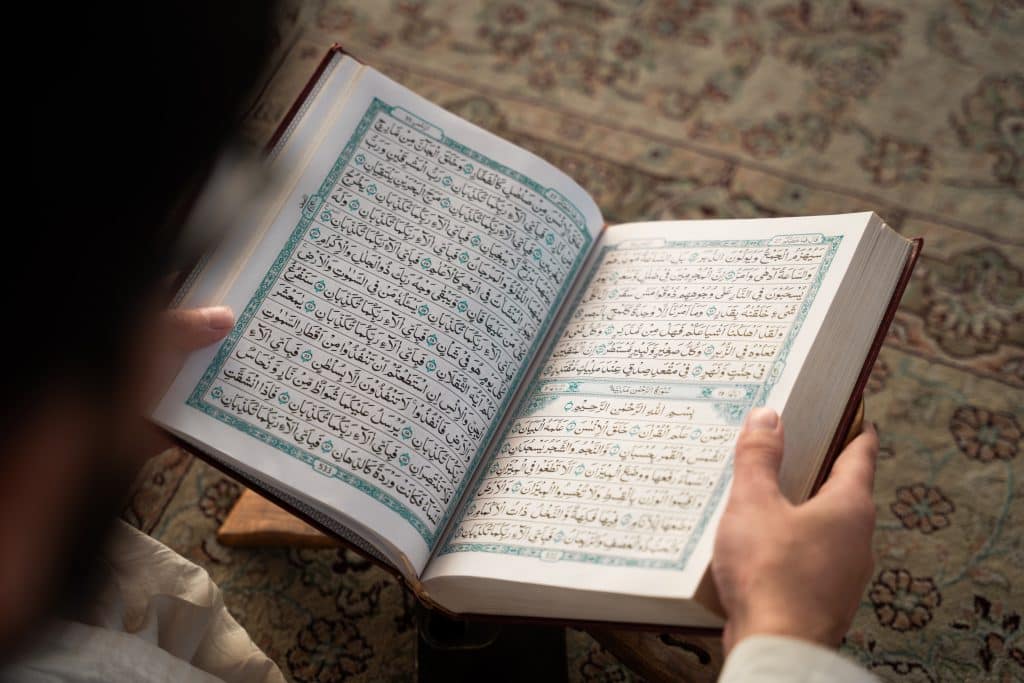
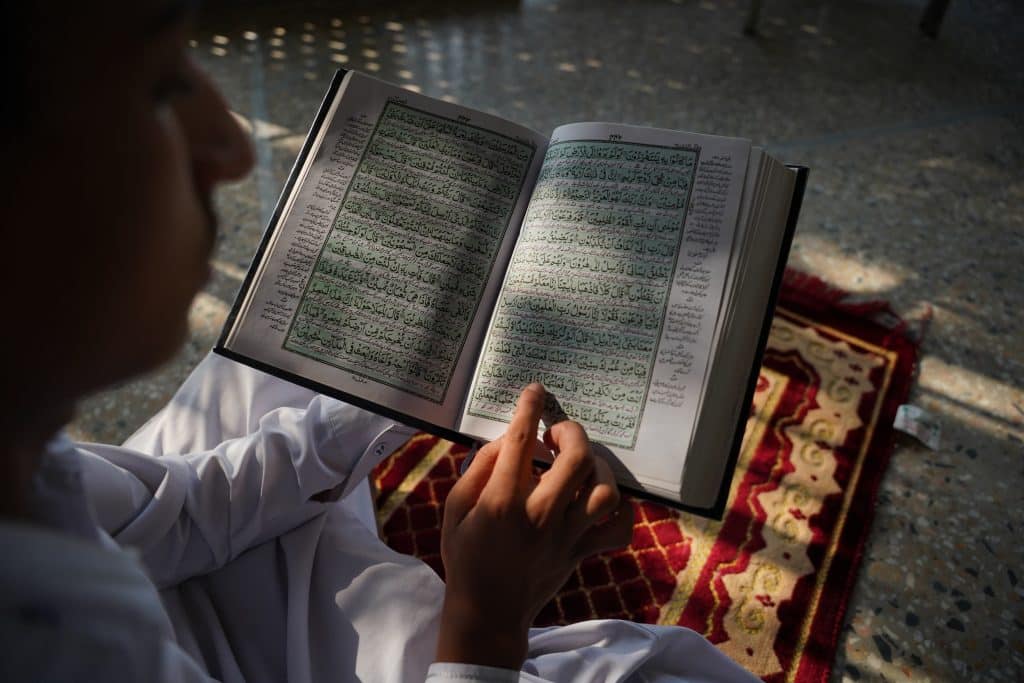
Ramadan is the month of the Quran and the month in which it was revealed. Reading the Quran in Ramadan brings so many blessings. Good deeds in Ramadan are multiplied many times over, on top of the already multiplied rewards of reading the Quran:
The Messenger of Allah ﷺ said: “[Whoever recites a letter] from Allah’s Book, then he receives the reward from it, and the reward of ten the like of it. I do not say that Alif Lam Mim is a letter, but Alif is a letter, Lam is a letter and Mim is a letter.” (Hadith Al Tirmidhi)
But recitation of the Quran also brings us spiritual peace, closeness with The Most Merciful, guidance in our lives, and even intercession on the Day of Judgement.
Completing the Quran in Ramadan
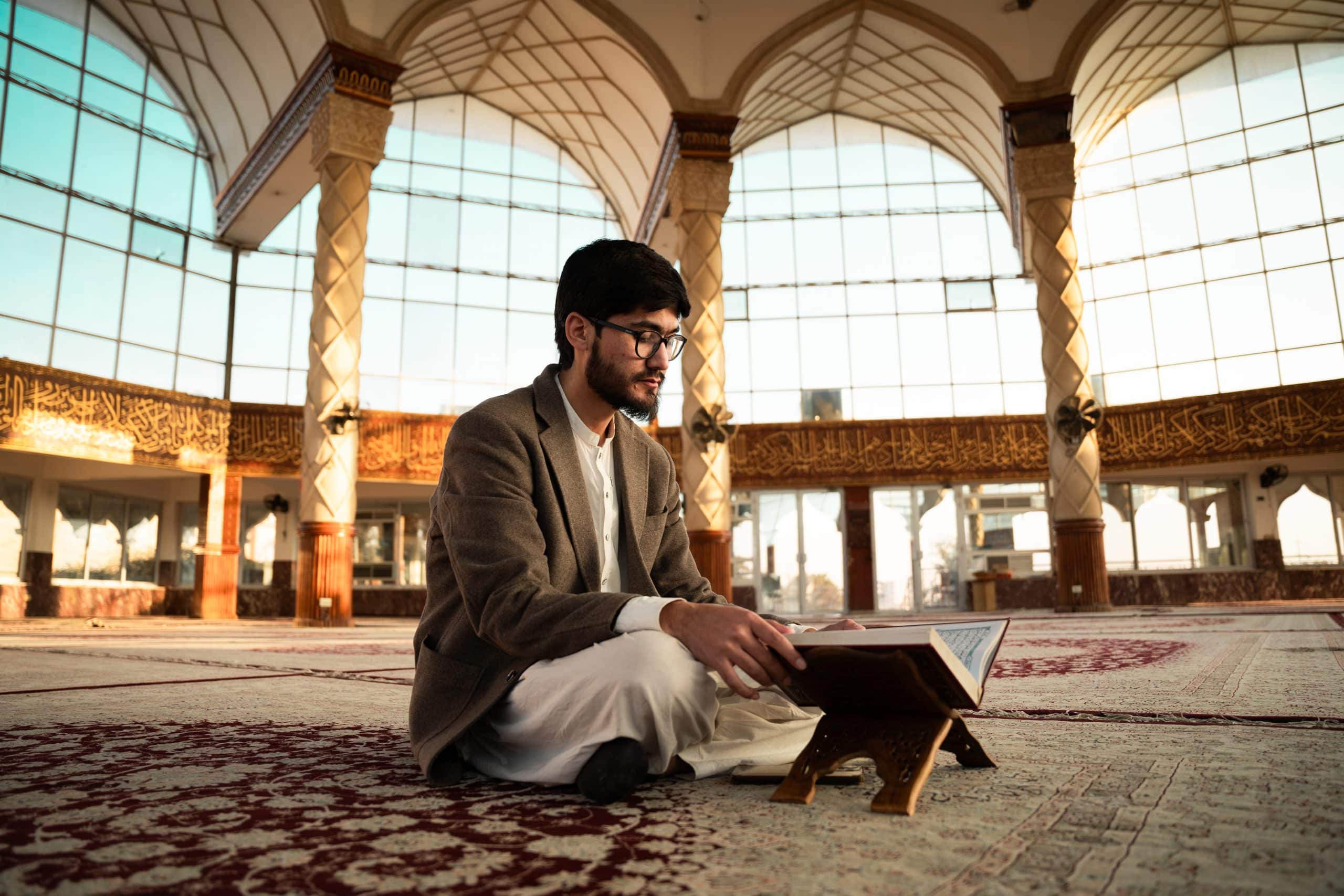
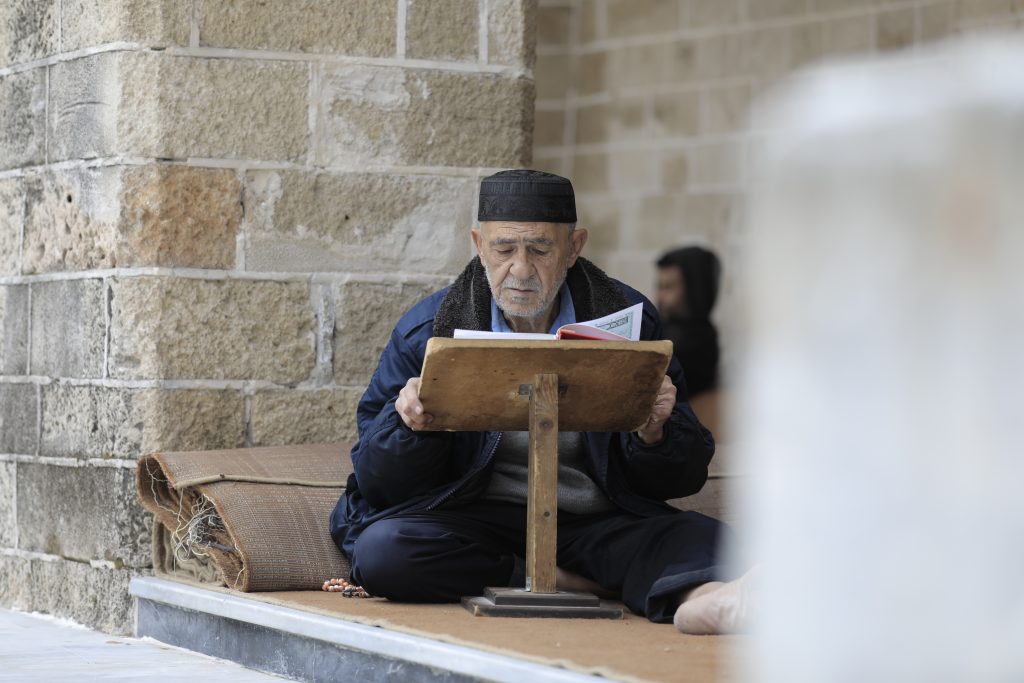
For some people, finishing the Quran in the month of Ramadan is easy, for others they struggle to get through a page a day. Some people can even complete the Quran within 3 days, reading the Quran 10 times during the month. It all depends on your fluency in Arabic, and how easy you find reading the Quran.
Let’s not forget that those who read the Quran despite struggling receive a second reward for the difficulty they face.
But also, completing the Quran doesn’t mean that you’ve understood the messages. A person could read the entire Quran without absorbing a single message.
Completion vs connection
Khatmah is the completion of the Quran and tadabbur is the deep comtemplation of its meaning. But which should we be aiming for?
Scholars differ on whether we should prioritise reading as much as possible, to rack up the blessings of the act of reading, or whether we should focus on understanding.
Angel Jibreel would review the entire Quran with the Messenger ﷺ every Ramadan, so it’s a sunnah to complete the Quran, and for those who find it easy to read, they should strive to complete it multiple times.
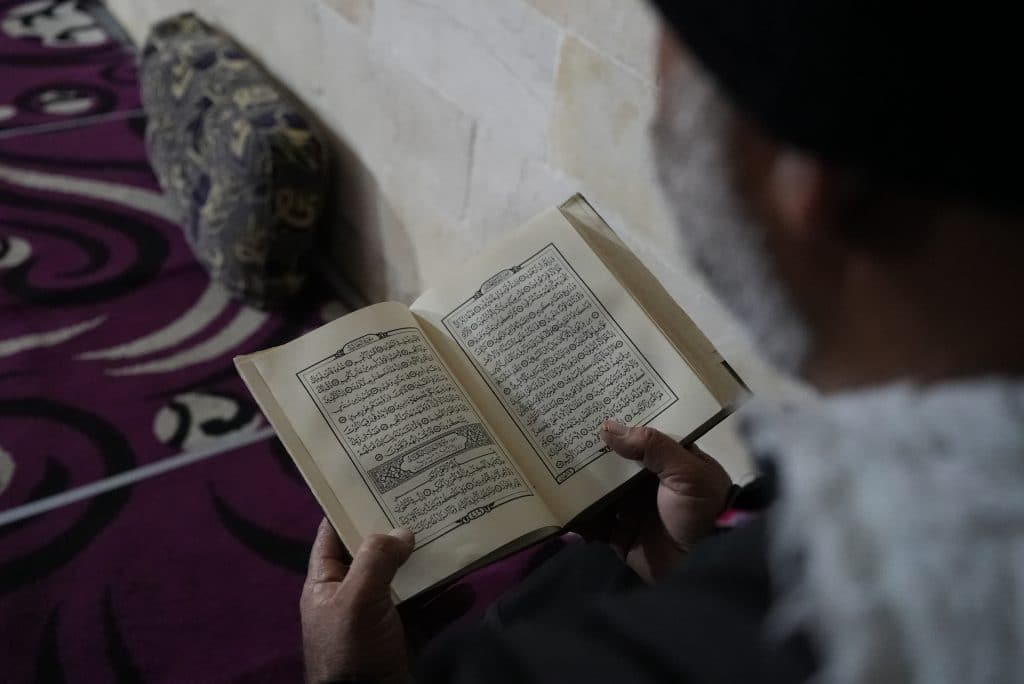
But what about those who struggle to read and understand the Quran? They should still dedicate time to reading what they can in Arabic while reading translations alongside it.
What should my goal be for Ramadan?
There’s no one goal for all people, we’re each at a different point in our journey and have different commitments. What’s certain is that you should put in maximum effort into achieving closeness to the Quran. Focus both on recitation and on understanding, without sacrificing one for the other as each has unique rewards.
Some tips to help your get close to the Quran
Integrate the Quran into your day. If you’re busy, make sure you’re listening to the Quran while you go about your day – swap out anything else you listen to on your commute or at the gym with the Quran and watch your familiarity grow.
Make sure you follow along during taraweeh – you can even follow along in English as the imam reads. Apps like Tarteel can help you find the imam’s location in the Quran if you struggle with this.
Split your recitation up – make sure you read even if just for 10 minutes with each prayer so that you make steady progress.
Quran outside of Ramadan
Familiarity with the stories and guidance in the Quran is built outside of Ramadan. A person who stays close to the Quran all year long will find it easier to recognise narrations, patterns and lessons, increasing the ease of recitation and recognition of the surahs.
Remember to remain close to the Quran once Ramadan is over to ensure that you can continue to progress. Keep sight of your relationship to the Quran over your lifetime, and how you can improve in the long term.
Remember that your goal with the Quran isn’t completion for completion’s sake, it’s completion in order to attain taqwa – closeness to The Most Merciful.
May Allah bring us closer to Him through His sacred book this Ramadan.
Finding spiritual focus in the age of social media
Ramadan is a gift from Allah, a month in which He makes it easier for us to grow closer and conscious of Him.
But Ramadans of today look very different to how they did 10 or even 5 years ago. Our phones are always on, we are always available and accessible, and always influenceable. We’ve slipped into a culture where every single time someone messages you, you feel obliged to respond immediately, and the social media dopamine loop keeps us glued to our phones.
Why is the dopamine loop negative?
Dopamine is a neurotransmitter and hormone that is a chemical messenger. It reinforces behaviours by creating feelings of satisfaction, and when we experience it during social media scrolling it encourages us to reach for our phone. But the nature of social media is unpredictable, and your brain never knows which moment, post, or story might bring reward, which keeps you hooked.
This is called variable reward enforcement, which we should be alert to in Ramadan. When we’re fasting, our glucose levels drop, which reduces our cognitive energy and impulse control.
That’s why it’s so tempting to reach for social media when we’re feeling exhausted.
What’s the solution?
Set boundaries with your phone. Make sure you never use it during prayer or while reading Quran.
Try to swap out any Quran apps for a physical Quran to help you to stay focused. If you depend on your phone for Islamic learning – such as an app that reads along with taraweeh – use your phone’s in-built screentime or downtime functions to help you to lock social media apps at specific times of day.
Set screentime limits for the entire day – such as limiting each app to 30 minutes per day.
You can even buy a fob that locks your phone and leave it somewhere out of sight to help control the impulse to pick you your phone.
Set your intention
As we enter Ramadan, make sure you set your intention to use your phone only for apps that nourish the soul. Be mindful of the trap of social media, and work to retrain your brain for focus, reflection and patience.
May Allah make this Ramadan one of learning and forgiveness, and help you to focus intentionally on ibadah.
There are so many benefits Muslims receive from fasting in Ramadan. Often when appealing to a non-Muslim audience, we can fall into the trap of trying to convince them that Ramadan is important because it teaches us empathy, patience, resilience and determination. But the reason that we fast, and the reason that Ramadan is valuable to us is simply because Allah commanded us to fast.
The Messenger of Allah ﷺ said, “(Allah said),‘Every good deed of Adam’s son is for him except fasting; it is for Me. and I shall reward (the fasting person) for it.’ (Hadith al-Bukhari)
Benefits of Ramadan
We fast in obedience to Allah and to please Him, but that’s not to say that there aren’t tangible benefits to it too. You’d be hard-pressed to find a Muslim who doesn’t feel a deep spiritual enrichment in Ramadan. What benefits do Muslims experience, spiritually, physically, and mentally?
1. God-consciousness
“O you who have believed, decreed upon you is fasting as it was decreed upon those before you that you may become righteous.” (The Holy Quran 2:183)
Ramadan and all its requirements bring Muslims closer to God, teaching us to be mindful of Him in all our actions, and remembering Him more frequently throughout the day, through adhkar, additional prayers, and a closeness to the Quran. Each pang of hunger or thirst reminds us that we are in obedience to The Almighty.
2. Gratitude
Experiencing hunger gives fasting Muslims a very small window into the pain that people going hungry endure, and invites gratitude for an abundance of food. Those fasting abstain from food knowing that they will have a meal at the end of it, which significantly reduces the stress and pain of hunger. But it’s important to remember that Muslims without enough food fast too, often without a meal to power them for the day or with a nourishing meal at the end.
The Waqf Fund helps to provide families with nourishing food for the entire month of Ramadan with our Ramadan iftars waqf.
3. Discipline and resilience
It takes consistent and prolonged effort to fast every day for an entire month. Each phase of the month comes with its own challenges and pushes Muslims to experience a different kind of life that focuses not in impulse and gratification, but on transcendence and discipline. It’s not just a fast of food, but Muslims should abstain from all bad temptations, including any music, company, or places that can tempt anything that could encourage haram or break the fast.
4. Kindness
Ramadan requires Muslims to put additional care into being more selfless. We’re encouraged to think of others more often, to give in charity, and to volunteer time and energy to helping others. Conflict, fighting, arguments, and backbiting all reduce the reward of the fast and we should abstain from all of these.
As we fast this Ramadan in obedience to Allah, may He allow us to attain taqwa, gratitude, discipline, resilience, and kindness this Ramadan. May we carry these attributes long after the month ends and may He accept all our efforts in the Holy Month.
Ramadan is right around the corner, may Allah allow us to reach the blessed month with enthusiasm and patience.
The sahabah used to pray that they could reach Ramadan:
Ibn Rajab reported: Ma’la ibn al-Fadl, may Allah have mercy on him, said, “The companions would supplicate to Allah for six months prior that they would reach Ramadan. Then, they would supplicate to him for six months afterward to accept their deeds.”
The focus of the entire year for the sahabah was centred on Ramadan. The importance of Ramadan remained with them the entire year, and it continued to be on their minds and in their actions. It’s an example that we should work to replicate. But what does that mean?
Ramadan as a springboard
As Muslims, we rightly focus so much energy on Ramadan, especially the last 10 days. It can be tempting arrive at Eid al-Fitr and cast off our focused worship. But Ramadan is not just a mercy because of the forgiveness and blessings it brings, but because of the opportunity it provides – it teaches us of what we’re capable of.
We’re unlikely to be able to extend the taqwa that we have in Ramadan to the whole year, but we can certainly implement three simple changes.
Three acts of worship to change your life
As you worship this Ramadan, search for three forms of ibadah that you want to carry over to the month of Shawwal and beyond. Consider small, consistent acts that you can slot into your life. What could this look like?
Adhkar – Doing an additional 100 adhkar a day. Where did you manage to fit your adhkar in during Ramadan. When Ramadan ends, keep a sibha on you and instead of reaching for your phone when you have a few moments, tell yourself that you will reach for your phone after you’ve completed your daily adhkar.
Quran – When Ramadan is over, don’t let the Quran become a stranger. Ensure you continue benefiting from it by reading daily – be it a few ayahs or a full juzz, make sure that your heart is not deprived of the Quran.
Sunnah prayers – Work to complete all your sunnah prayers during Ramadan. While doing so, set your intention to continue praying at least 5 sunnah prayers and witr after Ramadan ends.
Fasting – Once you’re in Ramadan, it’s almost hard to remember what it’s like to be not fasting every day. It becomes second nature. Harness the ease of fasting that Ramadan brings by ensuring you fast six days of Shawwal, and continuing to fast at least once a week outside of Ramadan.
Dua – By the end of Ramadan, you should have a sizeable list of go-to duas. Make sure you continue to ask Allah to answer these duas, even if it’s just once a week on Fridays.
Tahajjud – Set your intention to work tahajjud into your life, even if it’s not every day or even every week. If you are facing challenges in life, or a decision to make, wake up for tahajjud and seek a connection with Allah in the quietest part of the night.
Charity – Continue any of the ways that you give back to your community – be it through volunteering, donations, or simply cleaning up in your mosque.
Remember, after a month of intensive worship on all fronts, continuing just 3 of these habits after Ramadan will still be a slow down, but one that you can continue in the long term.
May Allah allow is to reach Ramadan, leave it with our sins forgiven, and continue the habits we formed in Ramadan until next year inshallah.
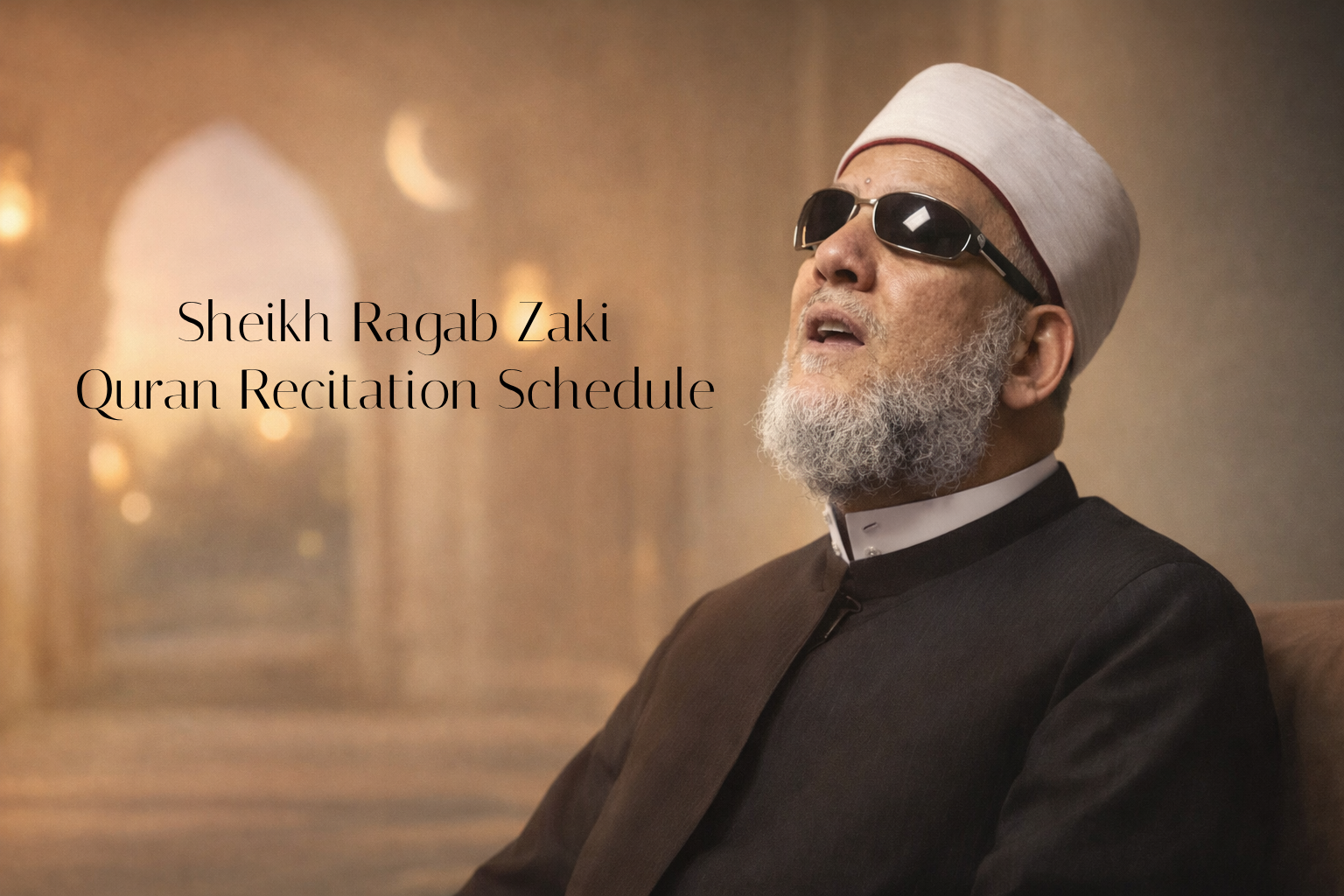
Sheikh Ragab Zaki — Quran Recitation Schedule (UK)
Sheikh Ragab Zaki Ramadan Quran Recitation Schedule 2026 | UK Mosques After Iftar
Ramadan 2026 • After Iftar
Sheikh Ragab Zaki — Quran Recitation Schedule (UK)
Select one or more gatherings below, then submit your name and Phone number to receive reminders before the recitation.
The London mosque name will be confirmed.
How to avoid burnout in Ramadan
Pacing yourself can help you to maximise your Holy Month
The days count down to the moment Ramadan begins, and we begin to fill with eager excitement – there’s no other feeling in the year like it. It’s wonderful to jump in with both feet to the Holy Month, but little preparation and pacing is key to avoiding burning out.
Burning out vs building up
Without planning, we risk exhausting ourselves physically, mentally, and spiritually. But if we can carefully plot how we will maintain and increase our acts of devotion, with plans in place when we’re feeling spent, we can build ourselves up through the first 20 days so that by the blessed last 10 days, we have the energy to push to the finish line. But the goal is to finish strong and to feel like we did everything we could, and arrive at Eid al-Fitr tired but content and ready to slow down.
What are the potential energy challenges in Ramadan?
1 Work
Having to maintain the same standard of output, working hours, and early mornings. Living in a country that doesn’t slow down for Ramadan means that our work isn’t an area where we can compromise.
How to address this?
Try to finish off as much work that you can prepare in advance, meet early deadlines, and schedule your most taxing work early in your day. If you have a culturally open work environment, you can speak to them about flexible working hours or hybrid working during the month of Ramadan.
2 Physical exhaustion
When trying to catch those taraweeh and tahjjud prayers, it’s normal to struggle physically. Try to pace your tahajjud, fitting it in before Fajr, and get in power naps when you can to keep your ibadah and focus sharp.
3 Hunger and thirst
Naturally, we feel hunger, thirst, especially in the early days of Ramadan. Alhamdulilah, now that Ramadan is in the colder months, thirst is not such a distraction as it was several years ago.
How to address this?
Plan a rotation of 4-6 healthy meals for iftar. Knowing what you’ll be eating avoids a mental load of thinking about food and ingredients, and helps you to plan for nourishment, rather than to simply meet cravings. It’s ok to have a treat too, but it shouldn’t be the main focus of your meal, or your day!
If you struggle with hydration, you can also consider electrolytes at iftar and suhoor.
4 Caffeine withdrawal
For those who rely on tea or coffee, withdrawal can hit hard in the first days. Headaches, tiredness, and brain fog is not the way we want to start Ramadan.
How to address this?
Make sure to reduce and taper your caffeine intake before Ramadan, even if it’s just in the 3 days prior. Cut your caffeine intake in half each day prior to Ramadan so that you can experience the hardest phase before Ramadan kicks in.
Once Ramadan begins, you can either take a coffee or tea at suhoor, or cut it out completely. If you miss the comfort of a hot drink, we recommend switching out your usual caffeine for a decaf, fruit tea, or even a hot chocolate at iftar.
What about spiritual exhaustion?
Inshallah, we want to aim to have given everything by the end of Ramadan, but that does mean not peaking too early. A Ramadan schedule can help you to plan your worship, ensuring you meet your goals in a structured way that gets stronger in the last 10 days.
What to plan?
Adhkar – Keep a sibha, prayer counter on you at all times, download an adhkar counting app, and set a number of adkhar goal for each day in Ramadan. Remember to increase your goal in the last 10 days.
Taraweeh – Which prayers will you attend in the mosque? Do you need to share childcare or other duties? Do you need to schedule a day in the week where you don’t attend at the mosque to keep your momentum going? Take a break, but make sure to finish strong.
Quran – How many pages a day will you read in order to meet your goal for all of Ramadan? Can you schedule these alongside your prayers?
Duas – Make a list of duas, using Allah’s beloved 99 names, personalise it as much as you can and have it ready to go on the first day of Ramadan. You can always add more as they come to you!
Mistakes – Yes! Plan for mistakes. What will you do if you don’t hit your daily goals? Or even if you slip up in a big way? Always, always the answer is to not let this one mistake convince you to give up. Renew your intention and make dua right now that any errors you make in Ramadan don’t dishearten your eagerness. Remember, Allah is the All-Forgiving.
May we reach Ramadan in good health, and may we leave Ramadan with our sins forgiven, and our worship accepted.
Waqf sends blessings to a loved one who has passed
Elderly woman at home. Old lady and young. Hands close up.
As Muslims, we accept the divine decree of The Most Merciful when our loved ones pass. Even when grief is deeply painful, the knowledge that Allah’s timing is perfect is a comfort.
Allah has also provided us with the mercy of benefiting our loved ones after they have passed — through our du‘a and through ongoing charity (sadaqah jariyah) given in their name.
The Messenger of Allah ﷺ said:
“When a person dies, his deeds come to an end, except for three: ongoing charity (Sadaqah Jariyah), knowledge that is benefited from, and a righteous child who prays for him.”
(Sahih Muslim)
What is a sadaqah jariyah?
Sadaqah jariyah is an ongoing charity, such as training someone with a vocational skill, providing a fruit tree, or installing a water pump.
A waqf is a permanent charity, where the donated asset is never owned or sold, so it benefits people indefinitely. It has strict parameters and often has a financial setup and guardian to ensure it remains sustainable.
This means that all waqf donations are a form of sadaqah jariyah, but not all sadaqah jariyah are considered waqf.
Can we give waqf on behalf of the deceased?
Absolutely. There’s a clear Islamic precedent for this, since waqf is a form of sadaqah jariyah.
“A man said to the Prophet ﷺ: ‘My mother has died suddenly. I think that if she were able to talk (alive) she would have given in Sadaqah (charity). So, if I give Sadaqah now on her behalf, will she get the reward?’
The Messenger of Allah ﷺ said: ‘Yes.’”
(Al Bukhari)
How will giving a waqf benefit my loved one?
When a person dies, they enter the Barzakh — an interval where souls wait between death and resurrection. It may be blissful or painful, depending on how a person lived.
Giving waqf is a way to seek mercy and forgiveness for your loved one and to try to ease their experience in the Barzakh.
Only Allah knows to what extent it will benefit them — but giving a waqf in their name is a sincere means to send blessing and reward to them.
How do I ensure the reward reaches my loved one?
Give with sincerity.
Set your intention privately that this waqf is in their name.
When donating through The Waqf Fund, select “In memory of” and enter their name.
Pray that Allah accepts your waqf on their behalf.
What projects can I support when donating on behalf of someone else?
You can dedicate your waqf to another person when giving to any of our projects — all sectors qualify and include the option of naming a loved one.
Select “In memory of” at checkout, enter their name, and we’ll do the rest.
Here are some projects supporters often dedicate on behalf of loved ones:
Water aid — desalination plants, water wells, solar-powered pumps, and sustainable clean water sources.
Livelihoods — fruit trees, sewing machines, bee hives, and chicks to help families start businesses.
Education — playgrounds, IT equipment, classrooms, meals, sponsorship, and psychosocial support.
Explore our full range of sectors and projects to choose a waqf that’s right for your loved one.
How do I donate?
Visit our Gift a waqf page. Choose any amount — we pool donations, invest in halal assets, and use only the profits to support your chosen charity each year.
Your initial donation amount is never owned or spent, and remains invested, growing and bringing benefit year after year, inshallah.
Send blessings and mercy to your loved one, now and for years to come. Dedicate a waqf to someone who has passed away to ease their hereafter and comfort your loss.
Ramadan Timetable 2026 (UK) — Imsak, Suhoor & Iftar Times
Ramadan Timetable 2026 (UK) — Imsak, Suhoor & Iftar Times
Ramadan Timetable 2026: Keeping track of Suhoor and Iftar times brings families together
Use this Ramadan Timetable 2026 for the UK to check Imsak, Suhoor, Iftar,
and daily prayer times by city. The timetable below is locked to Ramadan dates only to keep clicks low and the experience clean.
Expected start: Evening of 18 Feb 2026First fast: 19 Feb 2026 (subject to moon sighting)Expected Eid: Around 20 Mar 2026 (subject to moon sighting)
Please note: Ramadan and Eid dates, and prayer times, depend on local moon sighting and official announcements.
The times shown are prayer start times; jama’ah times may differ.
Ramadan Timetable 2026: UK Prayer Times (Select City + Day)
Choose your city and calculation method, generate the Ramadan list, then select a day to view
all prayer times neatly (without a massive month table or endless scrolling).
City
Country
Calculation method
Select a day in Ramadan
——
—
Plan Your Ramadan in the UK: Guides for Fasting, Giving & the Last 10 Nights
This Ramadan Timetable 2026 page is the main pillar guide. If you want to go beyond “what time is Maghrib today?”,
the articles below help you plan the month properly — daily giving, fasting essentials, and
maximising the last ten nights.
The Messenger of Allah ﷺ said:
“Whoever draws nearer (to Allah) by performing any of the (optional) good deeds in (this month) shall receive the same reward as performing an obligatory deed at any other time, and whoever discharges an obligatory deed in (this month) shall receive the reward of performing seventy obligations at any other time.”
(Hadith Ibn Khuzaymah)
Giving & Charity in Ramadan
A clean path from “how do I give?” to “how do I make it last?” — including daily sadaqah habits and the high-reward final nights.
Different Ways of Giving in Ramadan
Zakat & Fidya, Sadaqah, Waqf, giving time & energy, and a simple plan for consistent Ramadan giving.
Prayer times are calculated and can vary by method and by location. Jama’ah times at local mosques may differ.
Ramadan and Eid dates also depend on local moon sighting and official announcements.
Which time should I use for Suhoor and Iftar?
Many people stop eating at Imsak (a precaution), begin fasting at Fajr, and break fast at Maghrib.
Follow your local mosque guidance if it differs.