في مدونتنا السابقة، تحدثنا عن تقديم الهدايا في المناسبات الخاصة. واليوم، نود أن نتحدث عن التعبير عن الاهتمام في الأيام العادية، وتحديداً للاحتفاء بالإنجازات.
عندما يتعلق الأمر بالعائلة، وخاصة الأطفال، من المهم جداً أن نقدر إنجازاتهم، لا سيما تلك التي تشجع على السلوكيات الإسلامية. إن غَرْس مفهوم العطاء لديهم منذ الصغر – بعيداً عن المادية الاستهلاكية – أمر حيوي لبناء وَعْي حقيقي بما هو أَبْقَى وأهم: الآخرة.
هذا لا يعني ألا نكافئ الطفل بهدايا مادية لإنجازاته الكبيرة، ولكن مفاجأته بصدقة جارية باسمه تصل مباشرة إلى قلبه الصغير وتزرع فيه قيم العطاء.
هل بذل طفل في عائلتك جُهْداً كبيراً في أمر كان يستصعبه؟ هل حفظ سورة جديدة، أو اجتاز امتحاناً؟
فاجئه بهدية تصنع فارقاً.. هدية الوقف.
لمن نحبهم.. هدايا لا تُنسى
إن شريك حياتك، أو أخاك، أو والديك، سيدركون القيمة العميقة لهديتك أكثر من الأطفال. هل حصل أحدهم على تَرْقِيَة في العمل؟ هل اجتهد لتطوير ذاته وتجاوز نقاط ضعفه؟ أم حقق هدفاً طالما سعى إليه؟ أو ربما تريد فقط أن تقول “شُكْراً” لوالديك على كل ماقدماه لك.
عَبِّر عن حبك وتقديرك لمن تحب – سواء بمناسبة إنجاز خاص أو حتى بلا مناسبة – بهدية تظل قائمة.. بهدية الوقف.
كيف تُهدي وقفاً؟
عندما تقدم وقفاً باسم من تحب، ستصلك بطاقة إهداء رقمية لتقديمها لهم. إن إهداء الوقف يُثْبِت أنك لا تهتم بأمرهم في هذه الدنيا فحسب، بل تحرص على آخرتهم أيضاً. وبما أن أَصْل التبرع الوقفي لا يُفْنَى ولا يُسْتَهْلَك، فإن من تحب سيتلقى أُجُوراً مستمرة كل عام، ويمتد هذا الأثر حتى بعد رحيلهم.
آلية إهداء الوقف.. بخطوات بسيطة
اختر هدية الوقف: في صفحة الدفع، تأكد من اختيار “إهداء بمناسبة”، وأدخل اسم الشخص الذي تحبه.
استلم بطاقة الإهداء: بمجرد إتمام العملية، ستتلقى شهادة الوقف الرقمية.
النمو والاستدامة: هنا يبدأ دورنا؛ حيث نجمع هذه التبرعات ونستثمرها في أُصُول متوافقة مع الشريعة الإسلامية (كالعقارات المؤجرة مثلاً)، وفي كل عام نوزع الأرباح لتمويل المشاريع الإنسانية التي اخترتها.. وكل ذلك يُكْتَب في ميزان حسنات من تحب بإذن الله.
بركة العطاء النابع من القلب
إن من يُهْدِي صدقة نيابة عن شخص آخر، يناله من الأجر والبركة نَصِيب وافر لهذا الصنيع النبيل. فالإهداء ليس مجرد شعور جميل.. بل هو تِجَارَة رابحة مع الله.
أظهر عمق اهتمامك بهدية تَمْتَدّ إلى الآخرة.
أهدِ من تحب وقفاً.
الصدقة الجارية في شهر محرم: ابدأ العام الهجري الجديد بأجر دائم
مع إشراقة السَّنَة الهِجْرِيَّة الجديدة، لنقف لَحْظَة نتأملفيها أصل التقويم الهجري.
كيف بدأ التَّأْرِيخُ الهجري؟
ارتبطت السَّنَة الهِجْرِيَّة في مطلعها وتسميتها بحدثٍغيّر مجرى التاريخ؛ وهو هجرة المسلمين معالمصطفى ﷺ إلى المدينة المنورة. ومن هذه الرحلةالمباركة، استمد التقويم اسمه.
ويأتي شهر الله المحرم كأول شهور السَّنَة الاثني عشرفي التقويم القمري، وهو أحد الأشهر الحُرُم الأربعة،ويُعَدّ من أكثر الشهور قداسةً وأقربها إلى الله بعد شهررمضان المبارك.
لقد شهد شهر محرم أحداثاً عظاماً سطرها التاريخالإسلامي؛ ففيه شقَّ الرحمن البحر لنبيه موسى -عليهالسلام- لينجو بقومه، وفيه استقرت سفينة نوح -عليهالسلام- على جبل الجُودِيّ.
ما هو يَوْمُ عاشوراء؟
عاشوراء هو اليوم العاشر من شهر محرم، وعنالصحابي الجليل عبد الله بن عمرو بن العاص -رضيالله عنهما- قال: «مَنْ صَامَ عَاشُورَاءَ فَكَأَنَّمَا صَامَالسَّنَةَ، وَمَنْ تَصَدَّقَ فِيهِ فَكَأَنَّمَا تَصَدَّقَ بِالسَّنَةِ» (لطائفالمعارف لابن رجب).
وهو يومٌ دأب الأنبياء كنوح وموسى -عليهما السلام- على صيامه شكراً لله، كما كان صياماً مفروضاً علىالمسلمين قبل أن يُشْرَع صيام شهر رمضان.
إن صيام العاشر من محرم يكفر ذنوب السَّنَةالماضية، ويُسْتَحَبّ صيامه مع اليوم التاسع(تاسوعاء).
كما بَيَّن الأثر عن الصحابي عبد الله بن عمرو، فإنالصدقة في يوم عاشوراء تحمل أجوراً عظيمةوبركات مضاعفة.
ولكن، كيف يمكنك تعظيم هذا الأجر ليتجاوز حدودالزمان والمكان؟ ماذا لو كانت الصدقة التي تقدمها فيعاشوراء لا تقتصر على أجر يومك هذا فحسب، بلتحولت إلى نهرٍ جَارٍ من الحسنات يتدفق إليك في كلعام.. وللأبد؟ نعم، حتى بعد رحيلك.
إن تبرعك لـ صندوق الوقف لا يُفْنَى ولا يُسْتَهْلَك؛ بليُسْتَثْمَر في أصول مُتوافقة مع الشَّرِيعة، لتُوَجَّهأرباحها سنوياً لدعم مشاريع التعليم، الرعاية الصحية،وتمكين المجتمعات. وفي كل عام، يغير عطاؤك حياةإنسان، ويرفع الله به درجتك في الجنة.
ولأنها صدقة جارية، فإن عطاءها أَبَدِي؛ يرافقكأجرها في حياتك، ولا ينقطعُ عنك في آخرتك.
الوقف ليس مفهوماً حديثاً، بل هو أحد أقدم سُبل الخيروأكثرها استدامةً في الإسلام، يمتد أصله إلى عهدالرسول ﷺ وصحابته الكرام.
اجعل بداية عامك الهجري الجديد عهداً جديداً مع الله،بعطاء يمتد أثره لسنوات وسنوات.
٥ أسباب تجعل “إهداء الوقف” أثمن هدية
أعظم هدية.. بركة في كل يوم، وللأبد
هل هناك هدية لأقرب الناس إلى قلبك أفضل من بركات تمتد إلى الأبد؟ شتان بين من يهتم بدنياهم، ومن يحرص أن يكون عطاؤه سبيل رفعتهم ونجاتهم في الآخرة.
إن إهداء الوقف هو إهداء أجر مَوْصُولٍ من الله، عاماً بعد عام.
ولأن الوقف لا ينفد أبداً، فهو عطاء يُنَمِّي الأجر، ويترك أثراً مستداماً في المجتمعات إلى الأبد، عندما يديره خبراء متخصصون، كما هو في صندوق الوقف.
تختار المجال الذي ترغب في دعمه، مثل المياه النظيفة أو الإغاثة الغذائية.
يمكنك التبرع بأي مبلغ، لنقوم بدمجه مع مساهمات أخرى واستثماره في أصول متوافقة مع الشريعة، مثل العقارات المِدَرَّةِ للدخل. وفي كل عام، نستخدم الأرباح الناتجة عن هذه الاستثمارات فقط لدعم المجال الذي اخترته.
لا تنسَ تحديد خيار “إهداء” عند الدفع وإدخال اسم الشخص الذي تُهْدِي إليه هذا الوقف.
هل إهداء الوقف حلال شرعاً؟
بكل تأكيد. فمن الهَدْيِ النبوي تبادل الهدايا في المناسبات الإسلامية مثل الأعياد، وهناك شواهد شرعية وأدلة ثابتة على أن إهداء الصدقة يصل نفعها وثوابها إلى الشخص الذي تخصصها له.
إن السبب الأكثر شيوعاً الذي يدفع المسلمين لإهداء الوقف هو إرسال البركات والحسنات إلى أحبائهم الذين غادروا الدنيا، حيث تَبْلُغُهُمْ بركات الصدقة الجارية حتى بعد رحيلهم. ولكن يمكنك أيضاً إهداء الوقف للاحتفال بالعيد، أو التخرج، أو المناسبات المميزة، أو حتى باسم مولود جديد، ليرافقهم الجزاء طوال حياتهم وما بعدها.
ويتفق عموم العلماء على أنك عندما تهدي الصدقة لأخيك المسلم، فإنك تنال الأجر والثواب على هذا العمل أيضاً. نسأل الله أن يتقبل صدقاتنا المخلصة نيابة عن أحبائنا، وأن يُثِيبَنَا على هذه النوايا الطيبة.
ما هي البركات التي سينالها من أهديت له الوقف؟
منذ اللحظة التي تبدأ فيها صدقتك بتقديم العون إلى المحتاجين، سَيَتَدَفَّقُ الأجر إلى أحبائك، ويستمر عاماً بعد عام. وفي الواقع، فإن أثرها يزداد مع كل سنة لأن صدقتك تنمو وتكبر.
كيف؟ نحن نعيد استثمار 10% من الأرباح الناتجة في أصولنا المتوافقة مع الشريعة، مما يضمن أثراً متزايداً وأجوراً متضاعفة.
وعندما نتصدق نيابة عن الآخرين، فإننا نرجو لهم مغفرة الله، وندعوه أن يَمْحُوَ سيئاتهم، ويشملهم برحمته في الآخرة، ويرفع درجاتهم يوم القيامة.
التبرع نيابة عن حيّ والتبرع لمن فقدناهم
يمكنك تقديم الوقف نيابة عن شخص على قيد الحياة أو عزيز غادرنا. عند إتمام التبرع، اختر “إهداء في حياة شخص” للاحتفال بمناسبة خاصة، أو اختر “صدقة لفقيد” لتقديم الوقف نيابة عَمَّنِ انتقل إلى رحمة الله.
لماذا تُعد الصدقة الجارية هدية إسلامية مميزة؟
بخلاف الكثير من الهدايا التي يُسْتَمْتَعُ بها لفترة وجيزة ثم تُنْسَى، تستمر الصدقة الجارية في نفع الناس لسنوات طويلة. وسواء كانت تسهم في توفير مياه نظيفة، أو طعام، أو تعليم، أو دعم للمجتمعات الأشد احتياجاً، فإن أثر هديتك يظل قائماً بعد تقديمها بزمن طويل. وهذا ما يجعل الصدقة الجارية واحدة من أسمى الهدايا الإسلامية أثراً وقيمة يمكنك تقديمها لأفراد العائلة، والأصدقاء، والأحباء.
إن عظمة الصدقة الجارية يكمن في أن أجورها مُتَّصِلَةٌ ما دام النفع بها مستمراً. فكل محتاج يتلقى العون، أو يحصل على الموارد الأساسية، أو يستفيد من مشروع خيري، يصبح جزءاً من سِلْسِلَةِ خير ممتدة تتوارثها الأجيال. ومن خلال تقديم صدقة جارية باسم شخص ما، فإنك تَمْنَحُهُ هدية تحمل بركات تتجاوز حدود اللحظة الحاضرة.
إنها أكثر من مجرد هدية مادية؛ إنها أثر خالد يرافق مَنْ تُحِبُّ في آخرته. وسواء قُدّمت في عيد، أو زفاف، أو تخرج، أو بمناسبة مولود جديد، أو حتى كَلَفْتَةٍ نابعة من القلب، فإن الصدقة الجارية تُؤَسِّسُ لإرث مستدام من الأجر، والمنفعة، والرحمة، يمتد أثره في هذه الحياة وفي الآخرة.
Sadaqah Jariyah in Muharram: Begin the Islamic New Year with Lasting Rewards
Why is Muharram so important?
Sadaqah Jariyah in Muharram is one of the most rewarding ways to begin the Islamic New Year, combining the blessings of a sacred month with the lasting impact of ongoing charity.
The Prophet ﷺ said:
“The best fasting after Ramadan is in Allah’s sacred month of Muharram, and the best prayer after the obligatory prayers is the night prayer.” (Sahih Muslim)
As the Islamic New Year begins, Muharram offers every Muslim the opportunity to reflect, renew intentions, and strengthen their relationship with Allah through worship and righteous deeds.
But what makes this month so special?
The Beginning of the Hijri Calendar
The Islamic calendar began with one of the most significant events in Muslim history—the Hijrah, when the Prophet Muhammad ﷺ and his companions migrated from Makkah to Madinah.
The word Hijrah means migration, and it marks the beginning of the Hijri calendar that Muslims continue to follow today.
Muharram, the first month of the Islamic year, is also one of the four sacred months mentioned in the Qur’an. During these blessed months, acts of worship and obedience carry even greater significance, making Muharram an ideal time to seek Allah’s mercy and increase in good deeds.
A Month Filled with Blessings
Throughout Islamic history, Muharram has been associated with remarkable moments of Allah’s mercy.
It was during this sacred month that Allah rescued Prophet Musa (AS) and the Children of Israel by parting the sea, saving them from Pharaoh’s oppression. Many scholars also relate that Prophet Nuh’s (AS) Ark came to rest after the great flood during Muharram, symbolising hope, gratitude and a new beginning.
These powerful events remind believers that Allah’s help always comes to those who place their trust in Him.
What is Ashura?
Ashura falls on the 10th day of Muharram and is among the most virtuous days of the Islamic calendar.
The Prophet ﷺ encouraged Muslims to fast on this day, explaining that fasting Ashura expiates the minor sins of the previous year. He also recommended fasting the 9th and 10th of Muharram together to distinguish the Muslim practice.
The Companion Abdullah ibn Amr (RA) also narrated:
“Whoever fasts on Ashura, it is as though he has fasted the entire year, and whoever gives charity on that day, it is like the charity of an entire year.”
For believers seeking Allah’s pleasure, Ashura is a day filled with opportunities to worship, give thanks and earn immense rewards.
Why Give Sadaqah Jariyah in Muharram?
If giving charity on Ashura carries such great reward, imagine giving a charity whose benefits continue long after the day has passed.
Unlike a one-time donation that is spent once, Sadaqah Jariyah in Muharram continues to benefit people for years—even generations—while its rewards continue to be written for the donor by the permission of Allah.
Beginning the Islamic New Year with an act of ongoing charity is a meaningful way to invest in your akhirah while making a lasting difference in the lives of others.
How Does Waqf Create Lasting Impact?
For centuries, Muslims established waqf to support mosques, schools, hospitals, libraries and public services.
A waqf is different from ordinary charity because the original donation is preserved, while its returns are used to fund charitable projects year after year.
At The Waqf Fund, donations are invested in halal assets, with the profits supporting sustainable projects that continue benefiting vulnerable communities around the world.
This allows your charity to continue changing lives while earning ongoing rewards for you.
What Your Sadaqah Jariyah in Muharram Can Support
Your Sadaqah Jariyah in Muharram can support a cause that is close to your heart while creating a lasting impact for generations to come.
Help provide access to clean and safe water through sustainable initiatives such as water wells, desalination projects and solar-powered water systems. Every drop of water delivered becomes an ongoing source of benefit for communities in need.
Support families facing food insecurity by helping provide nutritious meals and sustainable food assistance to those struggling to meet their daily needs.
Give children the opportunity to learn and thrive by supporting schools, classrooms, educational equipment and other initiatives that open the door to a brighter future.
Help fund essential healthcare projects, medical treatment and access to vital medicines, ensuring vulnerable communities receive the care they deserve.
Support a range of sustainable projects that continue benefiting people year after year, allowing your charity to remain a continuous source of reward long into the future.
No matter which sector you choose, your waqf donation is invested in a Sharia-compliant manner, while the profits are used to fund the charitable projects you selected. This allows your contribution to continue creating impact without the original waqf being spent.
Begin Your New Hijri Year with Ongoing Rewards
A new Islamic year is more than the turning of a calendar—it is an opportunity to renew your intentions and begin again with acts that draw you closer to Allah.
While many people set goals for this life, Sadaqah Jariyah in Muharram reminds us to invest in the next.
Establishing a waqf at the start of the Hijri year allows your charity to continue benefiting others throughout the months and years ahead, while its rewards continue reaching you by the permission of Allah.
Give Your Sadaqah Jariyah in Muharram Today
Making your contribution is simple.
Choose the project you wish to support, make your intention sincerely for the sake of Allah, and complete your donation.
Your waqf will continue helping communities through sustainable projects while becoming an ongoing source of reward for you.
Start your Islamic New Year with a charity that never stops giving. Sadaqah Jariyah in Muharram Sadaqah Jariyah in Muharram
ما الذي يُميّزُ كفالة اليتيم عبر الوقف؟
كفالة اليتيم تمتدُّ للأبد
يمكن ل كفالة اليتيم أن تُغيِّرَ مجرى حياته أو حتى تنقذها. ولكن نظراً لأن الكفالة التقليدية تعتمد على دفعات شهرية أو سنوية، فإنها تظلُّ عُرضةً للتوقف بسبب الظروف المالية الصعبة التي قد يمرُّ بها من يكفله.
هنا تبرز طريقةٌ فريدة لحماية هذه الكفالة الخاصة؛ وهي كفالة الأيتام عبر الوقف. فعندما تقدم مبلعاً يماثل ما تنفقه عادة لدعم الأيتام – سواء كان استقطاعاً بسيطاً أو تبرعاً سنوياً واحداً – نقوم نحن بجمع مساهمتك مع مساهمات الآخرين.
وبدلاً من إنفاق تبرعك بشكل مباشر وفوري، نبدأ باستثماره، ونستخدم الأرباح الناتجة عنه فقط لتمويل كفالة الأيتام. كما نعيدُ استثمار 10% من هذه الأرباح في أصول جديدة، مما يعني أن قيمة الخير الذي تقدمه ينمو ويَزدادُ في كل عام.
قال رسول الله ﷺ: «مَنْ ضَمَّ يَتِيمًا بَيْنَ أَبَوَيْنِ مُسْلِمَيْنِ إِلَى طَعَامِهِ وَشَرَابِهِ حَتَّى يَسْتَغْنِيَ عَنْهُ، وَجَبَتْ لَهُ الْجَنَّةُ الْبَتَّةَ». (رواه أحمد)
أمانٌ واستدامةٌ في العطاء
عندما يمرُّ كافلُ اليتيم بضائقة مالية، أو يشتدُّ به المرض، أو يرحلُ عن الدنيا، غالباً ما تنتهي كفالته، مما يترك طفلاً في مكان ما بلا معيل فجأة. أما عندما تكفل عبر الوقف، فإن الاستقرار يكون هو أساس المعاملة؛ إذ يستمرُّ تبرعك في رعاية الأيتام للأبد، بغض النظر عن قدرتك على التبرع مجدداً. ومهما تغيرت ظروفك، فلن يُترك الطفل دون سَنَدٍ ومُعِين.
آليةُ عملِ كفالة اليتيم الوقفية
جمع التبرعات وعوائد الاستثمار المشترك معاً. في البداية، يساهم جميع داعمي وقف الأيتام جماعياً في كفالة طفل واحد؛ لتغطية تكاليف طعامه، ومسكنه، ودوائه، ومستلزماته المدرسية. ومع نمو الوقف وبلوغ هذا الطفل سن الثامنة عشرة، تنتقل الكفالة تلقائياً لطفل آخر، ليتصل الأثر ويدوم خير صدقتك إلى الأبد.
ولأننا نعيدُ استثمار 10% من الأرباح، فإننا نتمكن تدريجياً من التوسع لكفالة أعداد أكبر من الأيتام. فبعد 50 عاماً مثلاً، ستنمو تلك المساهمة التي بدأت بكفالة طفل واحد في عامها الأول، لتكفل 4 أيتام في وقت واحد؛ وذلك من خلال إعادة الاستثمار وحده، ودون الحاجة لتبرعات إضافية.
لماذا تشاركُ في هذا الوقفِ الجماعي؟
– لأنك تريدُ كفالةَ يتيمٍ مدى الحياة، ونيلَ ثوابِ الصدقةِ الجارية، لكنك قد لا تملكُ المبلغَ الكاملَ لتأسيسِ وقفٍ فرديٍ مستقل.
– لأنك تبحثُ عن أثرِ الصدقةِ الجاريةِ الذي يمتدُّ ثوابُها إليك حتى بعد رحيلِك، بينما تضمنُ رعايةَ الفئاتِ الأكثرِ ضعفاً في الأمة، عاماً بعد عام.
ساهِمْ بوقِفِك اليوم، واجعلْ صدقتَك شاهداً لك في آخرتِك
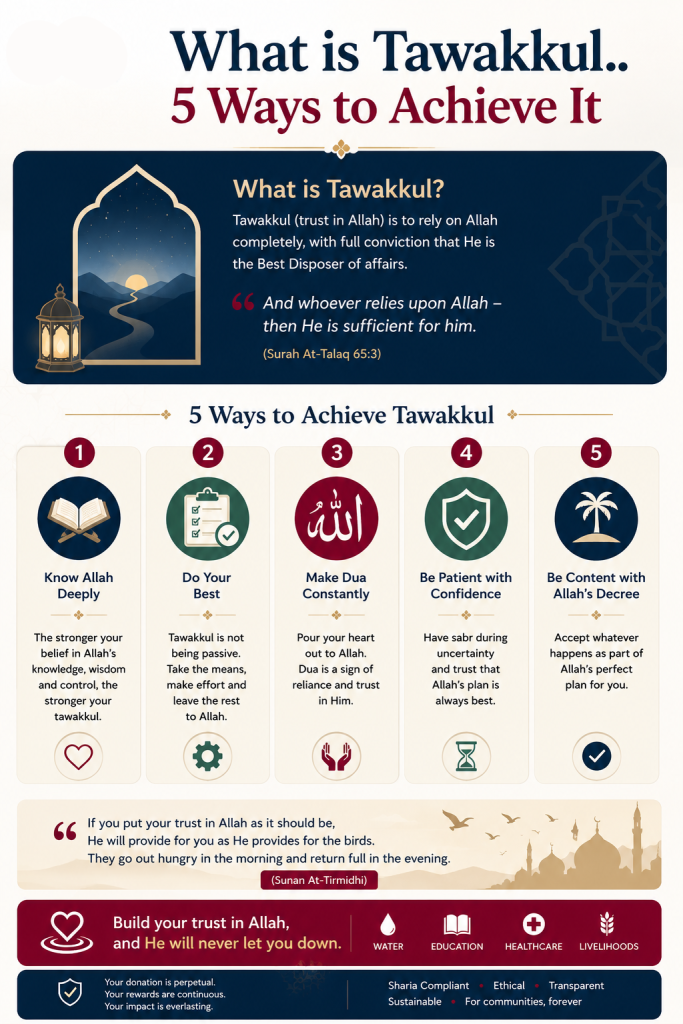
ما هو التوكل؟ ٥ طرق ملهمة لتقوية ثقتك بالله
االإيمان قضاء الله وقدره:
التوكلُ في جوهره هو معرفة الله والثقة التامة في تدبيره لك، دون عجز أو تواكل. وعلينا السعي دائماً لنيل رضا الله في كل أمورنا، حتى في أدق تفاصيل حياتنا اليومية؛ فنحن نمارس الرياضة للحفاظ على الجسد الذي استأمننا الله عليه، ونطهو الطعام لعائلاتنا تقرباً إليه، ونعمل في وظائف كسبها حلال متجنبين الموبقات التي تحيط بنا، كل ذلك طاعةً للهِ وامتثالاً لأمره.
وعندما نأتي الصالحات من الأعمال ، علينا أن نثق بأن “العليم” سبحانه قد رسم لنا أجمل الأقدار، وأن “الشكور” سيجعل لعملنا أثراً وبصمةً وأجراً. كما يجب ألا نتكاسل، بل نأخذ بالأسباب ونبذل الجهد، ونترك النتائج لله وحده.
السبلُ إلى تحقيق التوكل كثيرة، لكن المفتاح الأساسي هو الاستهداء بالله دائماً، وإليك بعض الطرق لترسيخ التقوى في أسلوب حياتنا، وتيسير قبول أعمالنا الصالحة التي نبتغي بها وجهه الكريم.
الدعاء
الابتهالُ إلى الله بأن يتقبل صالح أعمالك، ودعاء “الوكيل” سبحانه وتعالى بإخلاص ليزيدك توكلاً عليه. اسأله أن يملء قلبك بنعمة الإيمان به، وأن تكون وجهة أعمالك دوماً هي نيل رضاه.
الأذكار
هناك أذكارٌ حثنا عليها المصطفى ﷺ على المداومة عليها، لتزيد البركات وتجعلنا في حفظ الله دائماً، ولتظل قلوبنا متصلةً بالله وحده في طلب التوفيق والسلامة. ومن ذلك أذكار الصباح، والدعاء عند الخروج من المنزل: «بِسْمِ اللَّهِ، تَوَكَّلْتُ عَلَى اللَّهِ، لَا حَوْلَ وَلَا قُوَّةَ إِلَّا بِاللَّهِ». (أبو داود)
التسبيح، والتحميد، والتهليل، والتكبير
بمعنى: سبحان الله، والحمد لله، ولا إله إلا الله، والله أكبر. اجعل هذه الأذكار سبيلاً لتذكير قلبك، ولسانك، وعقلك بأن مقاليد الأمور كلها بيد الله، وأنه سبحانه على كل شيء قدير.
الصيام
قال رسول الله ﷺ: “قال اللهُ: كُلُّ عَمَلِ ابْنِ آدَمَ لَهُ إِلَّا الصِّيَامَ، فَإِنَّهُ لِي وَأَنَا أَجْزِي بِهِ، وَلَخُلُوفُ فَمِ الصَّائِمِ أَطْيَبُ عِنْدَ اللَّهِ مِنْ رِيحِ الْمِسْكِ”.
الصدقة
الإنفاقُ من أموالنا يجدد في نفوسنا اليقين بأن الرزق كله من “الرزاق”، ويذكرنا بواجبنا في تطهير أموالنا والاقتصار على الكسب الطيب الحلال.
الصدقةُ طُهرةٌ للنفس، وبناءٌ لروح التكافل مع الأمة، وبوابةٌ لنيل رضا الله بعاطفة الرحمة والطاعة. قال رسول الله ﷺ: «مَا نَقَصَتْ صَدَقَةٌ مِنْ مَالٍ، وَمَا زَادَ اللَّهُ عَبْدًا بِعَفْوٍ إِلَّا عِزًّا، وَمَا تَوَاضَعَ أَحَدٌ لِلَّهِ إِلَّا رَفَعَهُ اللَّهُ». (رواه مسلم)
وعندما تختار تقديم صدقتك مع صندوق الوقف، فإن تبرعك لا يستهلك أبداً، بل يُستثمر لتستمر أرباحه في إغاثة الأسر عاماً بعد عام، ويمتد أثره حتى بعد رحيلك عن الدنيا.
اجعل ثقتك بالله فوق كل شيء، وفوق ثقتك بنفسك؛ فالتوكلُ هو رؤية الأشياء على حقيقتها، وهذا بحد ذاته يمنح النفس طمأنينةً وحرية، إذ ما علينا سوى السعي ، والاطمئنان لتدبير الله، وماسوى ذلك ليس بأيدينا، وفي ذلك تجلٍّ لرحمة أرحم الراحمين.
ما هو الوقف؟
لماذا يَحظى كفالة الأيتام بهذه المكانة العظيمة في الإسلام؟
ماذا يقول الإسلام عن كفالة الأيتام؟
كفالةُ الأيتام سُنّةٌ مؤكدة؛ فقد نشأ المصطفى ﷺ يتيماً، وكذلك كان حالُ كثيرٍ من الصحابة الكرام، كما ضَمَّ العديدُ من الرعيل الأول الأيتامَ إلى بيوتهم ورعوهم كأبنائهم.
قال رسول الله ﷺ: «مَنْ ضَمَّ يَتِيمًا بَيْنَ أَبَوَيْنِ مُسْلِمَيْنِ إِلَى طَعَامِهِ وَشَرَابِهِ حَتَّى يَسْتَغْنِيَ عَنْهُ، وَجَبَتْ لَهُ الْجَنَّةُ الْبَتَّةَ». (رواه أحمد)
إنّ كفالة الأيتام تتجاوز حدود الواجب الطبيعي؛ فمَن للأبناء الضعفاء في هذه الأمة إن لم تحتضنهم الأمةُ نفسها؟ بل هي جزءٌ أصيل من تاريخنا وقيمنا العريقة.
ماذا يقول القرآن الكريم عن رعاية الأيتام؟
في مواضعَ عديدة، ذكَرَ الله سبحانه وتعالى الأيتام وواجبنا نحوهم، ولعلَّ في “سورة الفجر” دلالةً عميقة؛ حيث يوضح الله جل وعلا أنَّ كثيراً من البشر عند الابتلاء بالسَّراء يقعون في خَطأ التفاخر ويظنون أن العطاء علامةُ رضا، بينما إذا ابتلوا بضيق الرزق ألقوا باللوم على القدر وضعف إيمانهم، بدلاً من مراجعة أنفسهم ومدى امتثالهم لأوامر الله. وتؤكد السورة أنَّ هذا الصنف المستكبر لا يستحق الإكرام لأنه فرَّط في واجبه.
إنَّ سعينا نحو الأمان والفلاح في الدنيا والآخرة مرتبطٌ ارتباطاً وثيقاً بمدى كفالتنا ورعايتنا للفئات الأكثر ضعفاً في الأمة.
ماذا قال المصطفى ﷺ عن الأيتام؟
حينما أثنى الرسول ﷺ على نساء قريش، جعلَ في مقدمة خِصالهنَّ الحُنُوَّ على اليتيم ورعايته، ثم رعاية حقوق الزوج. كما وصَف حقوق الأيتام (والنساء) بأنها حُرمةٌ عظيمة لا يجوز التهاون فيها بأي حال.
قال النبي ﷺ: «السَّاعِي عَلَى الأَرْمَلَةِ وَالمِسْكِينِ، كَالْمُجَاهِدِ فِي سَبِيلِ اللَّهِ، أَوِ القَائِمِ اللَّيْلَ الصَّائِمِ النَّهَارَ». (الأدب المفرد)
وهنا يتجلى عُمْقُ التوجيه النبوي؛ فالأجر المترتب على مجرد السعي لرعاية الأيتام والأرامل – وهم الفئات الأكثر هشاشة في المجتمعات – يماثل أجر أعظم العبادات التي يقوم بها أكثر المؤمنين تقوى. فالتقوى والطاعة لا تنحصران في شعائر العبادة فحسب – رُغم عظيم قدرها – بل تمتدُّ لتشمل الامتثال لأوامر القرآن في كيفية التعامل والتكافل داخل المجتمع.
رعاية الأيتام.. بوابتك لِرقّة القلب
جاءت الأحاديثُ النبوية تحثُّ الأمة على حماية الأيتام، ليس مصلحةً للطفل اليتيم وحسب، بل تزكيةً لقلب الكافل وتطهيراً له؛ فمد يد العون لأخيك شفاءٌ للنفوس من قسوة وماديات هذه الدنيا، وبها تحافظ القلوب على رِقّتها الإنسانية.
يُمثّل ” وقف رعاية الأيتام ” استثماراً يتجاوز حدود الزمن ليضمنَ استدامة الرعاية لهم عاماً تلو الآخر. فقد يمول وقفُك في عامٍ طعامهم، وفي عامٍ آخر كُتبهم المدرسية، وفي عامٍ غيره دواءهم. ولأننا لا نستهلك أصل تبرعك أبداً – بل نستثمره لننفق من أرباحه فقط في خدمة الأيتام – فإنَّ أثرك الوقفي وبركاته يظلان في نموٍ دائم، ويمتد الأجر لك عاماً بعد عام.
يوم عرفة في رمضان، نكتسبُ الكثير؛ روحياً، وبدنياً، وحتى على مستوى السكينةِ والإنجازِ الدنيوي. ومع انقضائه، قد يشعرُ البعضُ بصعوبةٍ في الحفاظِ على روحانيته، لكنَّ اللهَ -عز وجل- منحنا فرصةً ثانيةً لنيلِ رحمته؛ فرصةً تتكررُ كلَّ عام لترتفعَ فيها دعواتُنا وتُمحى بها خطايانا.
إنَّ كلَّ يومٍ من أيامِ العشرِ من ذي الحجة يحملُ في طياته فضلاً عظيماً يُذكرنا بليلةِ القدر؛ فقد قال رسولُ اللهِ ﷺ:
«ما من أيامٍ أحبُّ إلى اللهِ أن يُتعبدَ له فيها من عشرِ ذي الحجة؛ يعدلُ صيامُ كلِّ يومٍ منها بصيامِ سنة، وقيامُ كلِّ ليلةٍ منها بقيامِ ليلةِ القدر» (الترمذي).
كيف تجني ثمارَ هذه الأيامِ المباركة؟
لا يوجدُ نهجٌ أسمى من هديِ النبيِّ ﷺ في اغتنامِ هذه العشر؛ فسارع إلى رحمةِ ربك وضاعف ثوابك من خلال:
1-الصيام: خاصةً يوم التاسع من ذي الحجة (يوم عرفة)، فصيامه يكفرُ ذنوبَ السنةِ الماضيةِ والمقبلة.
2-الدعاء: ألحَّ في طلبِ المغفرة، وادعُ لكافةِ المسلمين والمرضى وأهلِ الحاجة، واسأل اللهَ أن يستعملك لخدمةِ دينه وإعمارِ الأرض.
3-كثرةُ الذكر: اجعل قلبك متصلاً باللهِ دوماً، والزم التسبيحَ والتحميدَ في طريقك، وعملك، وفي كلِّ وقتٍ وحين.
4-أداءُ الأضحية: وهي سنةٌ مؤكدةٌ يرى كثيرٌ من العلماءِ وجوبها على المستطيع.
5-صنائعُ المعروف: بادر بخدمةِ مجتمعك، وزيارةِ المرضى، ومساندةِ المحتاجين. وضاعف صدقتك بـ “الاستثمارِ في الوقف”؛ ليكونَ عطاءً ينمو لك في حياتك ويمتدُّ نفعُه لغيرك حتى بعد رحيلك.
يومُ عرفة.. خيرُ أيامِ العام
ماذا نعرفُ عن هذا اليومِ العظيم؟
يومُ الاجتماعِ الأكبر: حيث يجتمعُ الحجيجُ في صعيدِ عرفات في تضرعٍ خالصٍ لله.
يومُ العتقِ من النيران: قال ﷺ: «ما من يومٍ أكثر من أن يعتقَ اللهُ فيه عبداً من النارِ من يومِ عرفة» (الترمذي).
رحمةُ اللهِ بأمةِ الإسلام: لا تقتصرُ الرحمةُ على الحجاجِ فقط، بل تمتدُّ لتشملَ كلَّ مسلمٍ أقبلَ على اللهِ بصدقٍ في هذا اليوم. ففي مساءُ عرفة، لا يبقى أحدٌ في قلبه مثقالُ ذرةٍ من إيمانٍ إلا نالَ حظَّه من المغفرة.
تكفيرُ ذنوبِ عامين: صيامُ هذا اليوم يكفرُ خطايا سنتين كاملتين (الماضية والقادمة). وعن أبي قتادةَ -رضي الله عنه- أنَّ رسولَ اللهِ ﷺ سُئل عن صيامِ يومِ عرفة، فقال: «يُكفِّرُ السَّنةَ الماضيةَ والباقيةَ» (صحيح مسلم).
قد يكون اختيار الوجهة الأنسب لِـصَدقتكَ أمراً محيراً، لكننا نؤمن يقيناً أن الوقف الخيري هو العطاء الذي يعيد صياغة العالم؛ فهو لا يقف عند حد الإغاثة العابرة, بل يبني استقرار المجتمعات على المدى الطويل، ويجلب الأجر المتصل إليك –أنت المتبرعَ– عاماً بعد عام، وحتى إلى ما بعد الحياة.
ولكي لا يكون كلامنا مجرد شعارات؛ إليك المراحل الحقيقية لمسار عطائك عندما تختار التبرع عبر الوقف معنا:
الخطوة الأولى: اختيار المسار تختار التبرع عبر الوقف الخيري بـسهمٍ مالي عَبْر موقعنا الإلكتروني في المجال الذي تفضل دعمه (كَـمشاريع المياه مثلاً)، وتحصل فوراً على شهادة الوقف الخاصة بك.
الخطوة الثانية: حفظ الأمانة نجمع سهمك مع أسهم المتبرعين الآخرين، ونحفظ هذه الأموال في حساب مصرفي متوافق تماماً مع أحكام الشريعة الإسلامية.
الخطوة الثالثة: الدراسة والتدقيق الإداري في هذه الأثناء، تعكف لجنة الاستثمار لدينا –والتي تضم علماء ومتخصصين في المالية الإسلامية– على إجراء فحص دقيق لِـلفرص العقارية المناسبة، لِـضمان أنها آمنة، أخلاقية، ومتوافقة مع الضوابط الشرعية.
الخطوة الرابعة: حيازة الأصل نستخدم هذه الأموال المجمعة لِـشراء عقار ملموس. وتتميز أصولنا بأنها تُؤجر لِـمدى طويل لِـشركات مستقرة وفي مواقع آمنة، مما يضمن تدفقاً مالياً مستمراً لِـسنوات. (يمكنك الاطلاع هنا على محفظتنا العقارية الحالية).
الخطوة الخامسة: حماية أصل التبرع نحن لا ننفق مساهمتك أبداً؛ بل نَحبس الأصل ونستثمره في عقار حقيقي يظل يُدر عوائد لصالح المشاريع الخيرية عاماً بعد عام.
الخطوة السادسة: حَصد العوائد بعد مرور عام كامل على شراء العقار, نجمع العائد الإيجاري السنوي، ونُقسم الأرباح نسبياً بين جميع المساهمين لِـتمويل المشاريع التي اختاروا دعمها.
الخطوة السابعة: التنمية والاستمرار نعيد استثمار 10% من الأرباح في العقار التالي الذي سنشتريه، لِـينمو أصل صدقتك ويتسع أثرها تلقائياً. ونخصص 10% لِـتغطية التكاليف الإدارية، لكن إذا كان “صندوق دعم الوقف الخيري” لدينا يمتلك تمويلاً كافياً لِـتغطيّة هذه النفقات، فإن هذه النسبة أيضاً تُعاد تنميتها في العقار.
الخطوة الثامنة: عطاءٌ متجددٌ عبر الأجيال يذهب نصيبك من الأرباح إلى المشروع الذي اخترته، بينما يبقى تبرعك الأصلي كما هو، لِـينتج أرباحاً جديدة لِـعام آخر. ثم تتكرر الدورة نفسها: 10% للتنمية، و80% يصل مباشرة لِـمن هم بحاجة إلى العون. وتستمر هذه الدائرة.. إلى الأبد.
لغة الأرقام والأثر
مبلغ 100 جنيه إسترليني تتبرع به اليوم، سينتج أرباحاً تصل إلى 450 جنيهاً على مدى 50 عاماً، وستنمو قيمة أصله الوقفي لِـتبلغ 154 جنيهاً.
عطاءٌ لِـمرة واحدة، يُثمر عقوداً من الأثر، وعقوداً من الأجر المستمر.
تفضل بِـاستخدام “حاسبة الوقف” الخاصة بنا، لِـترى كم ستبلغ قيمة أثر تبرعك اليوم بعد 5 سنوات، 10 سنوات، أو حتى 100 عام.
مساهمة واحدة اليوم.. تورث أثراً خالداً ونهر خَيْرٍ يتدفق بالأجر دون انقطاع.
كل ما تحتاجُ معرفتَه عن المياه البيضاء (100 مليون شخص حول العالم)
لماذا لا تزالُ المياه البيضاء السببَ الرئيسيَّ للعمى؟
تتسببُ المياه البيضاء في نحو نِصف حالات العَمى حول العالم، رُغم أنه مرضٌ قابلٌ للعلاج تماماً، وتُعدُّ الجراحة الخاصة به واحدة من أكثر العمليات أماناً، وسُرعة، ونَجاحاً من بين الإجراءات الطبية المعتادة.
المياه البيضاء هي عتامةٌ تُصيب عدسة العين الطبيعية. ومع زيادة هذه العتامة، تصبحُ رؤية الشخص مشوشةً أو باهتة. وتُصيب المياه البيضاء الأفراد عادةً مع تقدّمهم في العمر، رُغم وجود أسباب أخرى لها، مثل العوامل الوراثية أو الإصابة بمرض السكري.
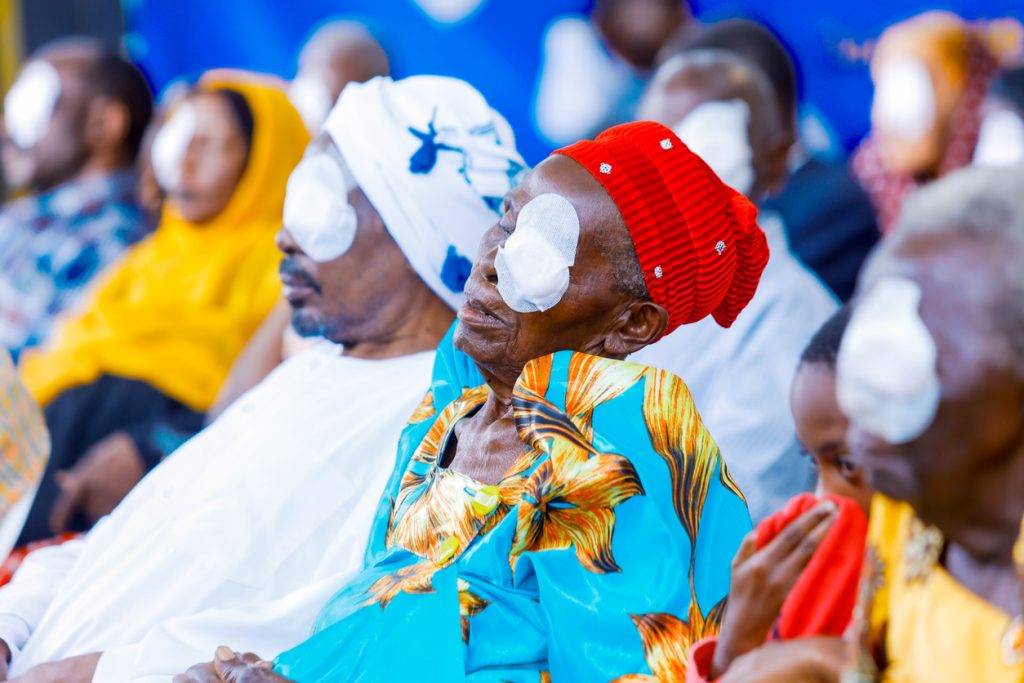
يعيشُ نحو 100 مليون شخص حول العالم مع المياه البيضاء، من بينهم 94 مليوناً تَأثَّر بصرهم بالفعل. رقمٌ صادم؛ هناك 17 مليون إنسان انطفأ نور أعينهم بسبب المياه البيضاء وباتوا يُصنَّفون فعلياً ضمن حالات العمى الكامل.
ولكن، إليك الحقيقة…
المياه البيضاء مَرضٌ يمكن الشفاء منه تماماً بجراحة بسيطة لا تستغرق سوى 15 إلى 20 دقيقة. لكن بالنسبة للأسر المتعففة التي تعيش على قوت يومها، فإن تكلفة هذه العملية تفوق قدرتها المالية تماماً، ممَّا يؤدي في النهاية إلى فِقدان المريض لبصره.
وبمجرد أن يفقد المريض بصرَه، يصبحُ عالةً على عائلته، وعاجزاً عن مواجهة تفاصيل الحياة اليومية دون مساعدة، لاسيما في المجتمعات التي تفتقر إلى التجهيزات اللازمة لذوي الإعاقة البصرية.
وحين يتمُّ إجراء جراحة المياه البيضاء، فإن العتامة لا تعودُ مجدداً، ويستطيع المريض العودة إلى حياته الطبيعية كما كان من قبل، مستقلاً بذاته وقادراً على رعاية الآخرين.
وقفُ المياه البيضاء
نحن ملتزمون بتغيير العالم نحو الأفضل. يضمنُ لك “وقف نور البصر” تمويل عملية مياه بيضاء لشخص واحد بعد عام من تبرعك. وفي كل عام – وللأبد – ستستمرُّ في إعادة النور إلى العيون.
نحن لا نستهلك تبرعك أبداً، بل نستثمره؛ حيث نجمعُ مساهمتك مع مساهمات الآخرين لشراء أصل استثماري حلال – مثل العقارات المؤجّرة. وفي كل عام، نَستغلُّ الأرباح الناتجة لإجراء جراحات المياه البيضاء.
ولأننا نُعيد استثمار 10% من أرباحك، فإن أصلك الوقفي يستمرُّ في النمو. ووفقاً لتقديراتنا، فإنه بعد 17 عاماً، ستكون قادراً على تمويل عمليتين جراحيتين كل عام مع استمرار استثمارك في تحقيق الأرباح.