
How Sadaqah Jariyah Can Honour Deceased Loved Ones
The loss of a loved one is a deeply emotional experience, and for many Muslims, the desire to continue honoring and benefiting the deceased remains strong. Islam teaches that while a person’s deeds come to an end upon their passing, there are certain actions that continue to bring them blessings—one of the most powerful being Sadaqah Jariyah.
Sadaqah Jariyah, or ongoing charity, is an exceptional means of ensuring that the rewards for good deeds continue to benefit the deceased in the Hereafter. By engaging in meaningful charitable acts, such as supporting education, providing clean water, or contributing to sustainable projects through organisations like the Waqf Fund, individuals can uphold the legacy of their loved ones while fulfilling a vital aspect of Islamic teachings on charity.
This article explores the significance of Sadaqah Jariyah for the deceased, the best forms of Sadaqah Jariyah for deceased loved ones, and practical ways to engage in ongoing charity that will bring eternal rewards for both the giver and the departed.
What is Sadaqah Jariyah?
Sadaqah Jariyah refers to acts of charity that provide continuous benefits over time. Unlike one-time donations, these charitable deeds create a lasting impact, ensuring that both the giver and the recipient continue to reap rewards.
Key Characteristics of Sadaqah Jariyah:
- Long-Term Benefit: The charity continues to be useful long after it is given.
- Continuous Reward: The giver (or a deceased loved one in whose name it is given) continues to earn blessings as long as people benefit from it.
- Encouraged in Islam: The Prophet Muhammad (ﷺ) emphasised the significance of Sadaqah Jariyah in multiple hadiths, one of which states: “When a person dies, his deeds come to an end except for three: Sadaqah Jariyah, knowledge that benefits others, or a righteous child who prays for him.” (Muslim, 1631) Through this powerful form of charity, believers can continue serving humanity while securing blessings for their deceased loved ones.
The Importance of Sadaqah Jariyah for the Deceased
Islam emphasises that a person’s actions continue to shape their fate even after their passing. This is why Sadaqah Jariyah for deceased loved ones is so essential; it allows them to continue benefiting from good deeds even in the grave.
Islamic Teachings on Sadaqah Jariyah for the Deceased
The Prophet Muhammad (ﷺ) encouraged giving charity on behalf of deceased loved ones. A man told the Prophet (saw) that his mother died a sudden death and did not have a chance to leave a legacy in her will, and that if she were able to speak, she would want to donate to charity. He then asked if the reward of charity on behalf of his deceased mother would reach her, to which the Prophet (peace and blessings be upon him) replied, “Yes.” [Muslim]
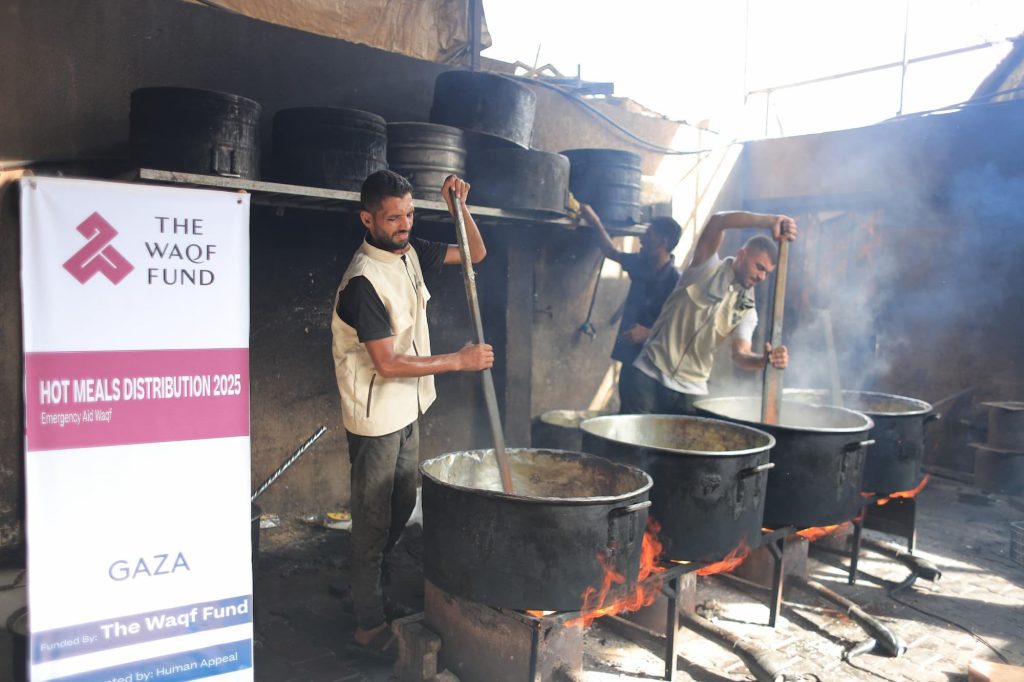
Acts of charity, such as building a well, supporting an orphanage, or planting trees, ensure that the rewards for the deceased continue indefinitely. Sadaqah for deceased parents is one of the best ways to demonstrate love, respect, and remembrance for those who have passed. By investing in meaningful and sustainable charity, we can provide immeasurable comfort and benefit to our departed loved ones in the Hereafter.
Best Forms of Sadaqah Jariyah for the Deceased
There are many impactful ways to offer Sadaqah Jariyah for deceased loved ones, ensuring they receive lasting rewards. Some of the most effective forms include:
a) Sponsoring Education
Supporting schools, orphanages, or scholarship programs helps spread knowledge, benefiting both students and the deceased. The Prophet (ﷺ) said, “The best among you are those who learn the Qur’an and teach it.” (Bukhari, 5027)
b) Providing Clean Water
Funding water wells, boreholes, or water filtration projects ensures that entire communities benefit. The Prophet (ﷺ) described providing water as one of the best forms of charity: “The best charity is giving water to drink.” (Ahmad, 17058)
c) Contributing to Masjid or Waqf Projects
Donating to the construction or maintenance of mosques and Islamic centres allows people to pray and seek guidance, continuously benefiting the deceased. The International British Waqf facilitates such initiatives, helping individuals contribute effectively.
d) Planting Trees and Sustainable Agriculture
- Trees provide shade, fruit, and oxygen, benefiting people, animals, and the environment.
- The Prophet (ﷺ) said: “If a Muslim plants a tree or sows seeds, and then birds, animals, or people eat from it, it is regarded as Sadaqah for him.” (Bukhari, 2320)
By engaging in any of these charitable actions, we ensure that our loved ones’ legacies remain alive and beneficial for generations to come.
Honouring Deceased Parents Through Sadaqah
For those who have lost their parents, Sadaqah Jariyah presents a unique opportunity to continue fulfilling their rights even after their passing.
Meaningful Sadaqah Jariyah for Parents
- Building a school or sponsoring Islamic education in their name.
- Funding a hospital or medical aid program to help the needy.
- Establishing a perpetual Waqf through organisations like the International British Waqf.
By performing such acts of charity, one can bring immense rewards and blessings to their parents in the Hereafter.
How to Donate Sadaqah Jariyah for Deceased Loved Ones
To effectively donate Sadaqah Jariyah for deceased loved ones, follow these steps:
- Identify a Cause – Choose an initiative that aligns with Islamic teachings and provides long-term benefits.
- Select a Reputable Organisation – Organisations like the International British Waqf ensure sustainable impact through their Waqf-based charity model.
- Make the Donation in Their Name – Specify that the donation is made on behalf of a deceased loved one.
- Encourage Others to Join – Involve family and friends to maximise the impact and rewards.
By selecting authentic and impactful initiatives, we can ensure that our charity continues to bring blessings for years to come.
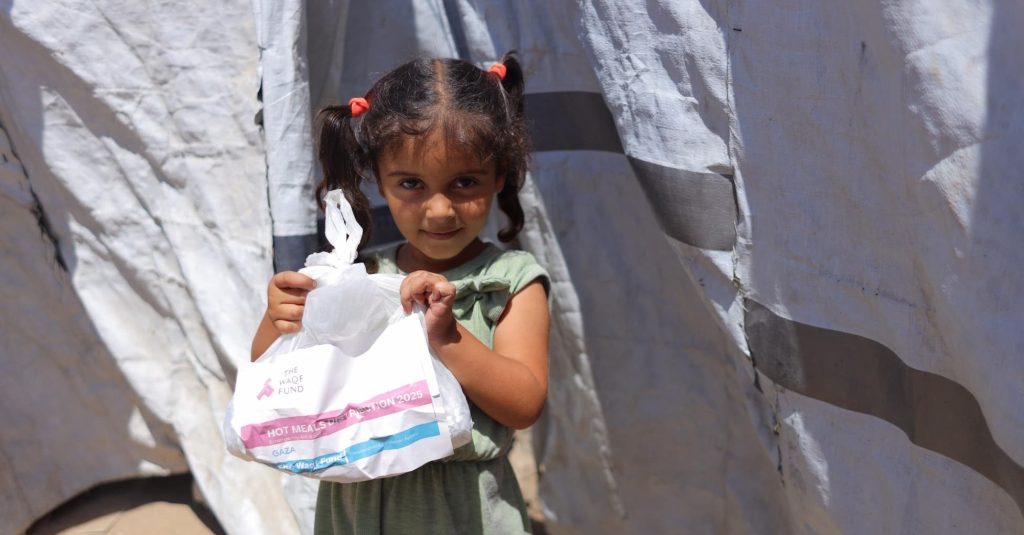
Sadaqah Jariyah for Deceased: Stories of Lasting Impact
Many families have honoured their deceased relatives through Sadaqah Jariyah for deceased initiatives by investing in a Waqf. Unlike one-time donations, Waqf shares create a lasting legacy by funding sustainable charitable projects that generate continuous rewards for the deceased.
By donating to Waqf shares, your contribution is invested in Shariah-compliant projects, such as real estate and socially impactful ventures. The profits are then used to fund long-term humanitarian projects, such as building schools, providing medical aid, and ensuring access to clean water. A portion of the returns is reinvested annually, ensuring that the impact of your donation continues to grow over generations.
How You Can Honour Your Loved Ones with Waqf Shares
- Ensure Continuous Rewards – Unlike traditional donations, Waqf shares provide Sadaqah Jariyah for deceased parents by generating ongoing benefits that support vulnerable communities.
- Receive Transparency & Accountability – Donors receive endowment certificates, along with annual reports detailing investments, returns, and the humanitarian projects funded.
- Donate Any Amount – There is no minimum donation. Whether you contribute a small or large amount, your Waqf grows over time, making every contribution valuable.
- Expand Your Impact Globally – With The Waqf Fund, your donations support sustainable development initiatives worldwide, from education to healthcare.
By choosing the best Sadaqah Jariyah for deceased loved ones through Waqf investments, you ensure that their legacy lives on and continues to uplift lives for generations to come.
The Spiritual Rewards of Sadaqah Jariyah for the Deceased
Engaging in Sadaqah Jariyah for deceased loved ones comes with profound spiritual benefits:
- Increased Mercy and Forgiveness – Charity is a means of seeking Allah’s mercy for the deceased.
- Continuous Rewards – The giver and the deceased both benefit eternally.
- Elevated Status in the Hereafter – The deceased may receive higher ranks in Jannah due to ongoing charity given in their name.
FAQs
It provides continuous rewards by benefiting others long after their passing.
It fulfills their need for ongoing good deeds and grants them eternal blessings.
Yes, and it is highly encouraged in Islam.
Education, clean water, masjid donations, and sustainable charity projects.