Best Form Of Sadaqah Jariyah
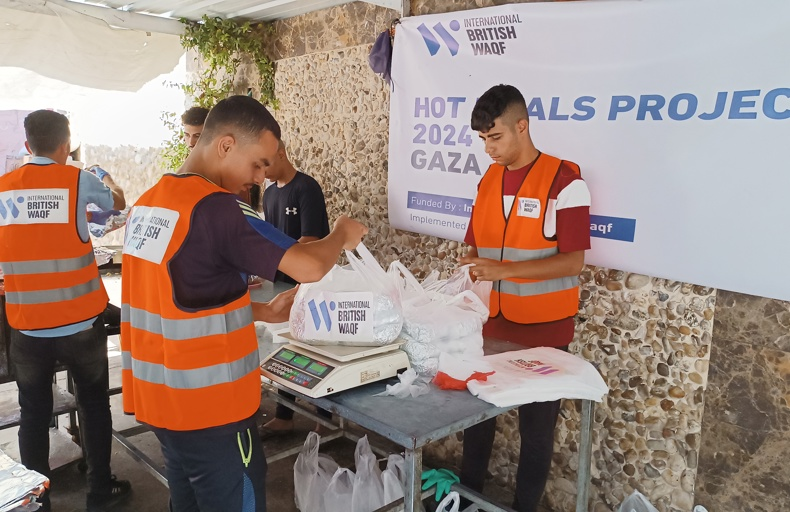
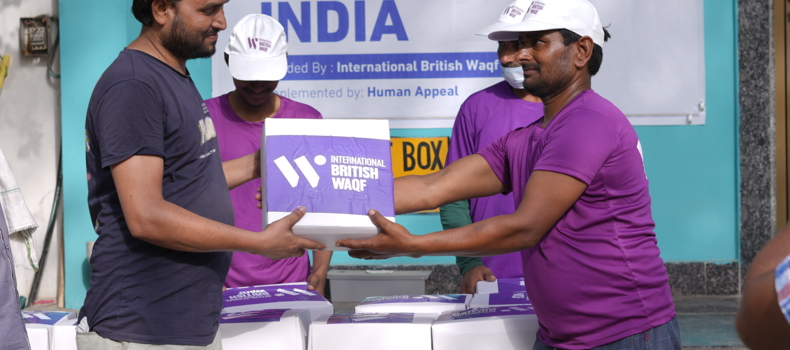
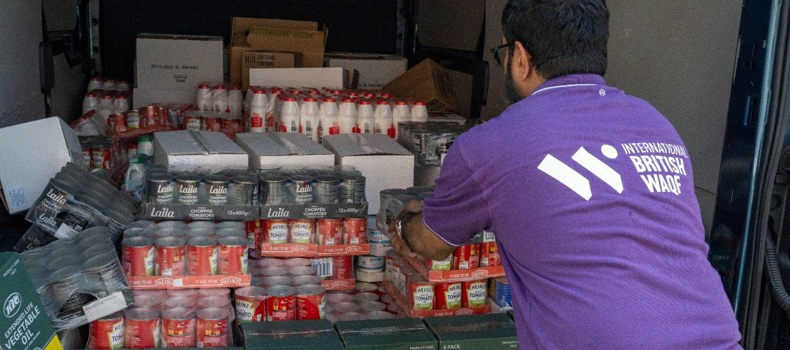
Best Form Of Sadaqah Jariyah Best Form Of Sadaqah Jariyah Volunteers in orange vests pack and distribute food bags as part of a humanitarian hot meals
What’s the Best Form of Sadaqah Jariyah? Exploring Lasting Charitable Practices
In the realm of Islamic philanthropy, Sadaqah Jariyah stands out as a unique and profoundly impactful way of giving. Unlike traditional charity, Sadaqah Jariyah Charity continues to benefit not just the immediate recipient but also the community, and by extension, the donor, long after the initial act of giving. Recognizing the Best Sadaqah Jariyah allows individuals to create a lasting legacy that holds significant rewards in the Hereafter. This blog will delve into the concept of Sadaqah Jariyah, discuss its benefits, and explore meaningful initiatives that align with its ethos, such as those offered by International British Waqf. Ultimately, you will learn how to choose impactful Sadaqah Jariyah projects that resonate with your personal values, ensuring a continuous flow of goodness that may endure a lifetime and beyond. The best form of Sadaqah Jariyah is one that creates lasting benefit. Many people ask what the best Sadaqah Jariyah is, and the answer often includes Sadaqah Jariyah projects like building water wells, education initiatives, and health care projects. Understanding Sadaqah Jariyah benefits helps donors choose the right Sadaqah Jariyah charity and decide when to donate Sadaqah Jariyah for maximum impact.
1. What is Sadaqah Jariyah?
Sadaqah Jariyah, derived from Arabic, means enduring or ongoing charity. It refers to charitable acts that generate continuous benefits over a long period of time. This concept is deeply rooted in Islamic teachings, with the Prophet Muhammad (peace be upon him) emphasizing the importance of acts that continue to reward even after one’s death. A well-known hadith states, “When a person dies, their deeds come to an end except for three: ongoing charity (Sadaqah Jariyah), knowledge which is beneficial, or a righteous child who makes dua for them” (Sahih Muslim).
Unlike regular Sadaqah, which is a spontaneous act of giving, Sadaqah Jariyah specifically focuses on initiatives that create enduring benefits, making it a profound way to leave a legacy of good deeds.
2. The Benefits of Sadaqah Jariyah
The Sadaqah Jariyah Benefits are expansive and multi-faceted. Here are some of its key advantages:
Perpetual Rewards: Every time the charitable initiative is utilized or the knowledge is shared, the donor continues to receive rewards. This is particularly significant, as it ensures that one’s good deeds do not end with their death.
Community Development: Sadaqah Jariyah projects often address communal and social issues, such as education and health care, effectively uplifting entire communities. This helps to foster societal well-being and cohesion.
Personal Satisfaction: Participating in Sadaqah Jariyah brings a sense of fulfillment, knowing that one’s contributions lead to positive, lasting change. This can instill a deeper moral and spiritual satisfaction than transient charitable acts.
Increased Spiritual Value: Engaging in Sadaqah Jariyah enhances one’s connection to their faith and the community, strengthening the bonds of brotherhood and sisterhood in Islam.
3. Best Forms of Sadaqah Jariyah
Identifying the best form of Sadaqah Jariyah involves considering initiatives that align with personal values while also offering significant potential for positive change. Here are some impactful Sadaqah Jariyah Examples :
Building Water Wells: Providing access to clean water by funding wells is one of the most praised forms of Sadaqah Jariyah. This not only addresses immediate health needs but also supports communities for generations.
Education Initiatives: Supporting educational facilities, scholarships, or training programs can equip individuals with knowledge and skills that benefit them for a lifetime. Donations towards educational resources like libraries are substantial contributions to society.
Health Care Projects: Supporting the establishment of hospitals, clinics, or medical outreach in underserved communities can prolong life and improve health for many individuals.
Sustainable Agriculture: Initiatives that promote proper agricultural techniques or provide seeds and tools create a direct impact on food security and economic stability for families in need.
Endowments (Waqf): Investing in projects that fit the criteria of Waqf helps to create a sustainable funding model for community improvements. The International British Waqf provides such opportunities, ensuring that donors can invest in long-term projects that support orphans and vulnerable communities.
4. How Does Sadaqah Jariyah Continue to Benefit After Death?
The beauty of Sadaqah Jariyah lies in its enduring nature. When a person contributes to an ongoing charity, they are essentially planting a seed that continues to grow and bear fruit long after they have passed away. This ongoing benefit can take various forms:
Continuous Impact: As beneficiaries benefit from the charity, the donor continues to receive rewards for each action taken. For example, if a well funded provides water to a village, the continuous usage of that water results in ongoing rewards for the person who funded the well.
Legacy of Knowledge: Contributions towards educational resources or learning institutions mean that the knowledge disseminated continues to benefit society. For instance, every student who benefits from a funded scholarship continues the cycle of knowledge, generating rewards for the donor indefinitely.
Perpetual Charity: Initiatives created as Waqf remain in operation indefinitely, ensuring that the charity continues to benefit those in need well into the future.
5. How to Donate Sadaqah Jariyah
Donating Sadaqah Jariyah can be effectively accomplished by following these steps:
Identify Your Values: Consider what causes resonate most with your beliefs and observe the current needs within your community or globally.
Research Organizations: Choose reputable organizations known for their transparency and effectiveness in managing charitable projects. The International British Waqf is a prime example, offering various opportunities for Sadaqah Jariyah donations that benefit widows, orphans, and communities in need.
Consider Waqf-Related Projects: Engaging with Waqf initiatives allows you to create an enduring impact, as your donations are used to fund ongoing charitable projects that generate continuous benefits.
Share Your Contributions: Sharing your charitable experiences can inspire others to join in and contribute Sadaqah Jariyah as well.
Evaluate Impact: Regularly revisit the projects you support to assess their effectiveness and impact, ensuring that your charitable contributions are making the intended difference.
6. Examples of Sadaqah Jariyah in Action
To better illustrate the concept of Sadaqah Jariyah, consider the following initiatives:
The International British Waqf’s Education Projects: The International British Waqf is actively involved in various educational initiatives that ensure orphans and low-income families can access quality education. These projects not only provide immediate support but create a legacy of educated individuals contributing to society.
Water Wells in Pakistan: Through funding clean water wells in rural areas of Pakistan, many individuals have access to clean drinking water, drastically improving their health and overall quality of life.
Healthcare Facilities: Establishing clinics in underserved regions provides essential health services, ensuring that preventative and curative care is available to the most vulnerable populations.
These examples highlight how Sadaqah Jariyah provides practical solutions to pressing social issues while allowing donors to reap spiritual rewards for their generosity.
Conclusion
The best form of Sadaqah Jariyah is one that resonates with your personal values and aims to create lasting positive change in the community. By engaging in initiatives such as building wells, funding education, or contributing to health care projects, individuals can leave a legacy that provides ongoing rewards. Examples such as those offered by International British Waqf show that lasting charitable practices can transform lives and strengthen communities. As you reflect on the meaning of Sadaqah Jariyah, consider how your contributions can foster sustainable change and create a ripple effect of goodness that lasts well beyond your lifetime.
FAQs
1. What is Sadaqah Jariyah?
Sadaqah Jariyah refers to ongoing or perpetual charity that continues to benefit individuals or communities long after it has been given, resulting in continuous rewards for the donor.
2. How is Sadaqah Jariyah different from regular Sadaqah?
While regular Sadaqah is a one-time charitable act, Sadaqah Jariyah involves projects that provide ongoing benefits and rewards, ensuring the donor’s contributions continue to have an impact over time.
What’s the Difference Between Types of Charity in Islam?
3. What are the Benefits of Sadaqah Jariyah?
The benefits of Sadaqah Jariyah are profound and far-reaching, extending not only to the immediate recipients of the charity but also to the donor themselves. One of the primary advantages is the promise of perpetual rewards, as each time the charitable initiative is utilized, the donor continues to earn blessings even after their death. This concept is beautifully encapsulated in the prophetic tradition highlighting that good deeds, knowledge shared, and ongoing charity remain with the individual forever. Furthermore, Sadaqah Jariyah fosters a sense of community and unity, as these acts often address pressing social issues such as education and healthcare, leading to a significant upliftment of societal wellbeing. By participating in Sadaqah Jariyah, donors create a legacy of goodness, assuring their place among those who contribute to societal harmony and development.
4. What are Some Examples of Sadaqah Jariyah?
Engaging in Sadaqah Jariyah can take on many forms, each with its unique impact on communities. Examples include funding the construction of water wells, which provide essential access to clean drinking water, significantly enhancing health and quality of life for countless individuals. In addition, investing in educational initiatives—such as building schools or offering scholarships—empowers individuals through knowledge and skill development, ensuring a brighter future for generations. Healthcare projects, including establishing clinics in underserved areas, also fall under the auspices of Sadaqah Jariyah, addressing critical health needs and promoting well-being. By supporting such initiatives, often facilitated through reputable organizations like the International British Waqf, donors can ensure their contributions yield lasting benefits, thereby making a meaningful difference in the lives of vulnerable populations.