Everything you need to know about the first 10 days of Dhul Hijjah
We gain so much from Ramadan – physically, spiritually and even in terms of our happiness and fulfilment in the dunya. When it’s over, it can be hard to navigate our lives.
But The Most Merciful has given us a second chance to seek His mercy, a second chance, every single year, to ask our prayers, to have our sins wiped clean. Every single one of the first 10 days of Dhul Hijjah is equivalent to Laylatul Qadr:
The Messenger of Allah ﷺ said, “There are no days more beloved to Allah that He be worshiped in them than the ten days of Dhul Hijjah. Each day of fasting in it is equivalent to the fast of an entire year. And each night standing in prayer is equivalent to standing in prayer on the Night of Power.” (Tirmidhi)
How to reap the blessings of Dhul Hijjah
There’s no better example to follow than The Messenger’s ﷺ example for these blessed 10 days. Seek Allah’s mercy and maximise your blessings in Dhul Hijjah by:
1. Fasting – especially on the 9th of Dhul Hijjah – the day of Arafah. Fasting this day expiates the sins of both the previous and the upcoming year.
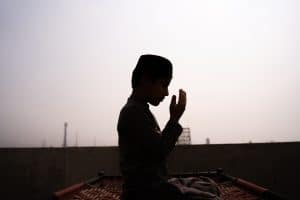
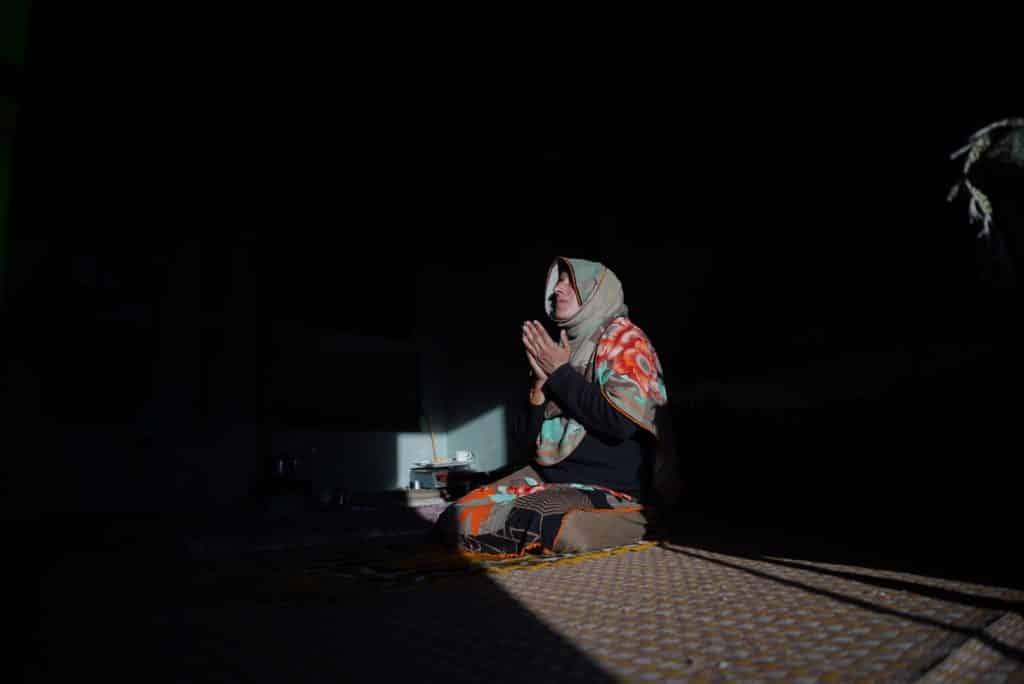
2. Making dua – pray for your forgiveness, for the sick, for the ummah, and for Allah to make you a tool for his decree in the dunya.
3. Increase your dhikr – Keep a prayer counter handy and integrate your prayer into your day, whether commuting, at the gym, or while you cook.
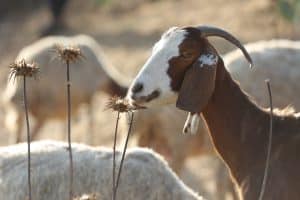
4. Give your Qurbani – it’s a sunnah and many scholars consider it a duty for all Muslims of means.
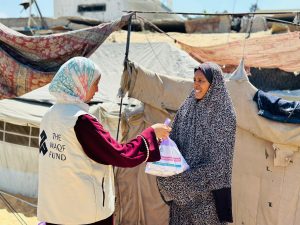
5. Do good – support your community by volunteering, visiting the sick, supporting people without family, or lending a hand to new parents. Increase your charity – we recommend investing in a waqf as it will continue to benefit you forever, even after your lifetime.
Arafah – the most blessed day of the whole year
What do you know about Arafah day?
1. It is when pilgrims on Hajj congregate at Mount Arafah in intense prayer to Allah
2. It is the day when more people are forgiven from hellfire:
The Messenger of Allah ﷺ said, “There is no day on which Allah frees people from the Fire more so than on the day of ’Arafah. He comes close to those (people standing on ’Arafah), and then He revels before His Angels saying, ‘What are these people seeking.” (Tirmidhi)
3. Allah’s mercy extends to all Muslims, not just those on Hajj
“When the evening of Arafah arrives, nobody with a mustard seed’s weight of faith (Iman) in their hearts is left, except that they are forgiven.” It was said: ‘O Messenger of Allah, is this restricted only to the people on Arafah?’ He said: ‘No, it is for all of the Muslims.’” (Haythami)
4. Fasting Arafah expiates the sins of 2 years
Abu Qatadah reported: The Prophet, peace and blessings be upon him, was asked about fasting the day of ‘Arafat, and he said, “It will expiate the sins of the previous and upcoming years.” (Muslim)
Duas for the Day of Arafah
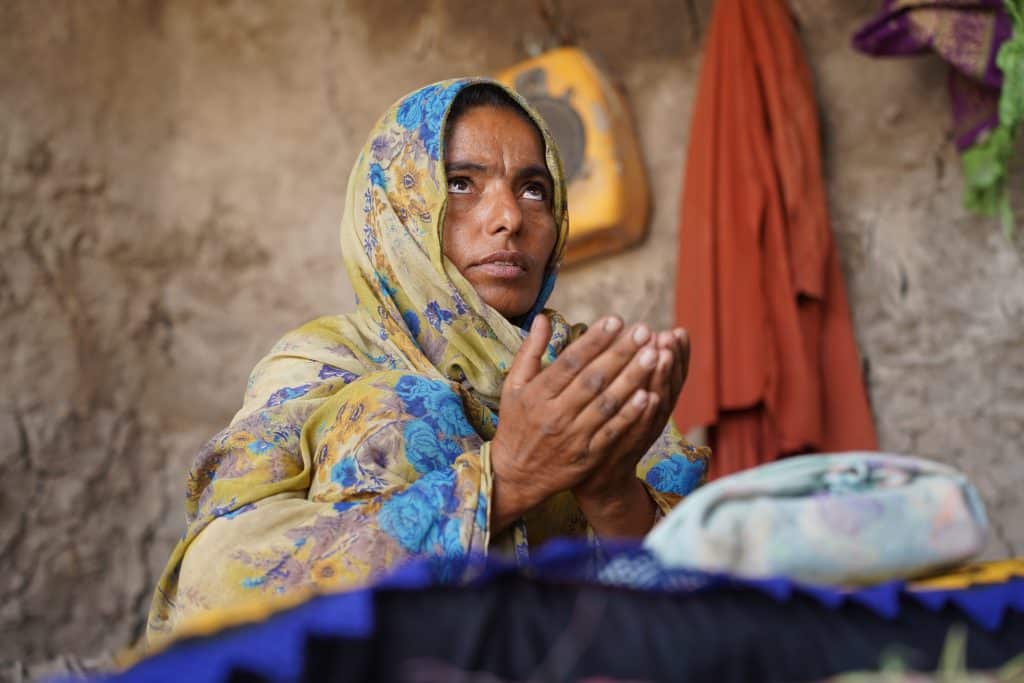
1. The best dua for Arafah:
The Messenger of Allah ﷺ said, “The best supplication is the supplication on the Day of 'Arafah, and the best words that I and the prophets before me have said are 'La ilaha illa Allah, wahdahu la sharika lahla hul mulk wa lahul hamd wa huwa ala kulli shayin qadeer'” (Muslim)
لَا إِلَهَ إِلَّا اللهُ ، وَحْدَهُ لَا شَرِيكَ لَهُ ، لَهُ الْمُلْكُ وَلَهُ الْحَمْدُ ، وهُوَ عَلَى كُلِّ شَيْءٍ قَدِيرٌ
2. Abdullah’s dua for Arafah
Abdullah ibn ʿUmar (rA), a close companion of the Prophet ﷺ, spent much of ʿArafah engaging in takbirat and praise of Allah, saying, “Allah is the Greatest, Allah is the Greatest, and to Allah belongs all praise (Allahu akbar, Allahu akbar, wa lillahil-hamd).”
اللَّهُمَّ اهْدِنِي بِالْهُدَى، وَقِنِي بِالتَّقْوَى، وَاغْفِرْ لِي فِي الْآخِرَةِ وَالْأُولَى
Transliteration:
Allahumma ihdini bil-huda, wa qini bi-t-taqwa, waghfir lee fil-akhirati wal-oola.
In addition to this dhikr, he would repeatedly say, “O Allah, guide me with Your guidance, protect me with Your piety, and forgive me in this life and the next.”
3. A comprehensive dua
اَللَّهُمَّ إِنِّي أَسْأَلُكَ مِنَ الْخَيْرِ كُلِّهِ عَاجِلِهِ وَآجِلِهِ مَا عَلِمْتُ مِنْهُ وَمَا لَمْ أَعْلَمْ وَأَعُوذُ بِكَ مِنَ الشَّرِّ كُلِّهِ عَاجِلِهِ وَآجِلِهِ مَا عَلِمْتُ مِنْهُ وَمَا لَمْ أَعْلَمْ اَللَّهُمَّ إِنِّي أَسْأَلُكَ مِنْ خَيْرِ مَا سَأَلَكَ عَبْدُكَ وَنَبِيُّكَ وَأَعُوذُ بِكَ مِنْ شَرِّ مَا عَاذَ بِهِ عَبْدُكَ وَنَبِيُّكَ
O Allah, I ask You from all that is good, in this world and in the hereafter, of what I know and what I do not know. O Allah, I seek refuge with You from all evil, in this world and in the hereafter, of what I know and what I do not know. O Allah, I ask You for the good that Your slave and Prophet has asked You for, and I seek refuge with You from the evil from which Your slave and Prophet sought refuge. [Sunan Ibn Majah 3846]