
So many of us want to honour the time and sacrifice that our parents made. But can we give our parents money? And does it count as sadaqah if we do?
Sadaqah is a voluntary charity – it can be food, money, teaching someone a skill or even a smile!
But Islam also distinguishes between charity and obligation. When our close family members such as parents are in financial need, it becomes our duty to support them, this is especially true of sons.
In this case, providing financially for your parents is considered a duty, not a sadaqah, which is optional. It’s important to note that we are also rewarded for our duties in Islam, but that they fall under a different category.
The Prophet ﷺ said, “You and your wealth belong to your father,” which scholars interpret as meaning that a parent is entitled to use a child’s wealth to meet their basic needs, with clear restrictions.
Scholars across the major schools of fiqh agree that an adult child is responsible for the basic needs of parents who cannot provide for themselves.
1. Can I give Zakat to my parents
The purpose of Zakat is to be an equaliser, redistributing excess wealth to others in the community. It is not designed to help people that we already have a financial responsibility towards – this would essentially be the opposite of charity – hoarding wealth within the family that is intended for others.
So, if your parents are in need, you must support them from your own wealth as a duty — not from your zakat, and not while calling it a sadaqah.
2. What if my parents aren’t in financial need?
If your parents are able to provide for themselves and are not dependent on you, giving them money or gifts becomes a beautiful act of kindness and love. It may even be rewarded in a similar way to sadaqah as you are not fulfilling a need. Even then, such actions are best understood as part of birr al-wālidayn (righteousness towards parents) – visiting them, supporting them, making them happy, and honouring them in every way possible.
3. Check your intention
As in all acts of worship, intention (niyyah) is central. The Prophet ﷺ taught that actions are judged by their intentions. If you are supporting your parents because they rely on you, your intention should be to fulfil your duty and seek Allah’s pleasure – this is a noble deed, but not sadaqah in the technical sense.
If they are not in need, and you still choose to give extra support out of love, gratitude and a desire for reward, then it may be viewed by Allah as a form of voluntary charity. Either way, the heart and intention behind the act matter greatly.
4. What kind of charity can I give my parents?
Even though obligatory support itself is not sadaqah, there are many Islamic ways to give sadaqah to your parents:
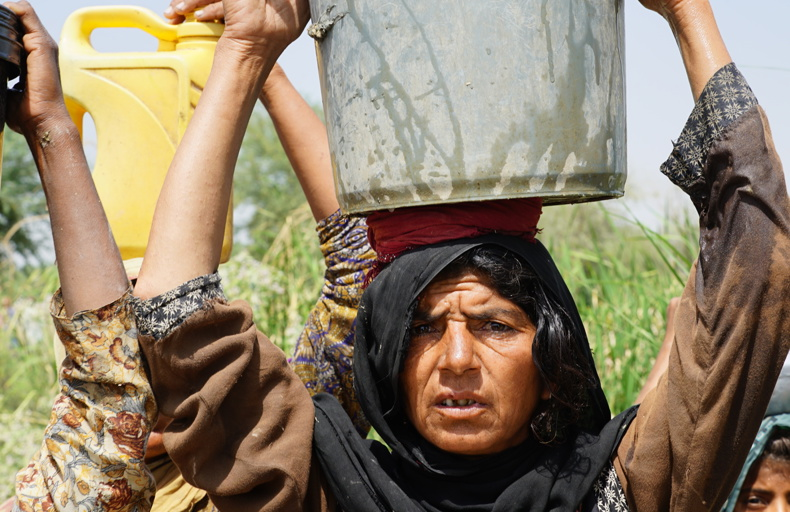
Donate to waqf or sadaqah jariyah projects on their behalf – it will continue to reward them even after their lifetime. This could be in the form of helping to install a water well, school, or health project.
Whenever you give charity, ask Allah to grant them a share of the reward.
Recite Quran, make dua for them, and ask Allah to forgive and elevate them.
The Prophet ﷺ taught that ongoing charity, beneficial knowledge, and a righteous child who prays for their parents continue to benefit a person even after death. Your sadaqah jariyah and your prayers are a lasting gift for your parents in this life and the next.
Giving money to parents who are in need is not sadaqah, and it cannot be considered Zakat – it is a clear Islamic obligation and one of the greatest doors to Allah’s pleasure. You can still be rewarded for fulfilling your duties, and, if you’re parents aren’t in financial deed, you can give them extra gifts that are likely to be considered a kind of charity
Let caring for your parents be one of your greatest acts of worship — in your spending, your manners, and your charity.
FAQs: Is Giving Money to Parents Sadaqah?
Is giving money to parents Sadaqah?
If your parents are in financial need and you are supporting them, this is an obligation, not sadaqah. It is part of their rights over you and one of your duties in Islam.
Is it sadaqah if they’re not in need?
If they are not dependent on you and you still give them money or gifts voluntarily, hoping for reward from Allah, this my be considered a type of sadaqah and a form of birr al-wālidayn.
Can I give my Zakat to my parents?
No. Zakat cannot be given to those whose financial support is already your responsibility, such as parents or children. You must help them from your own wealth, not from your zakat.
Is caring for parents a good deed if it’s not sadaqah?
Absolutely. Supporting your parents is among the highest and most beloved deeds to Allah ﷻ. It may not be called sadaqah, but it carries immense reward as obedience and righteousness.
How can I honour my parents through charity?
You can donate a waqf project in their name, help fund water wells, education or healthcare, and continuously make dua for their well-being and forgiveness.