What is Qurbani and its history?
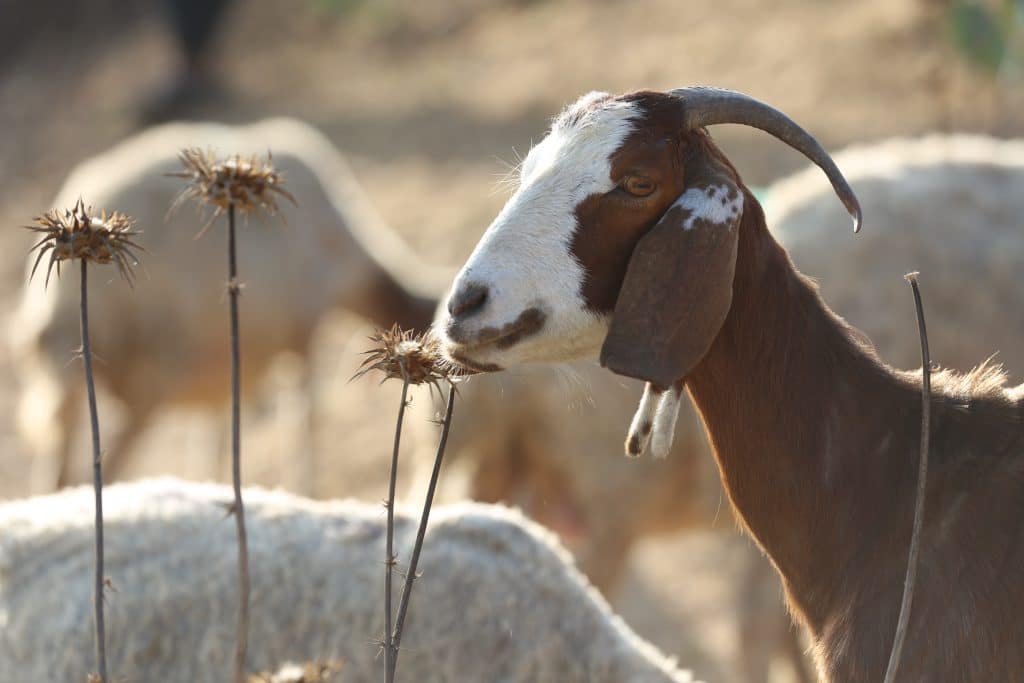
Qurbani is the annual sacrifice that Muslims offer on the day of Eid al-Adha, continuing the legacy of Ibrahim (AS). Traditionally, a third of the animal is kept for your family, a third for your friends and relatives, and a third for poor people, but today, many people choose to donate an entire animal to vulnerable families.
When was asked what Qurbani is, the Prophet ﷺ answered, “It is the Sunnah of your father Ibrahim. For every hair of the Qurbani you receive a reward from Allah.” (Hadith Al-Tirmidhi)
The history of Ibrahim
Ibrahim (AS) longed for a child for years. When he was finally blessed with his son Ismail (AS), he was asked to sacrifice him for the sake of Allah. Despite how hard this was, Ibrahim obeyed, but Ismail was spared by Allah at the last second, who replaced Ismail with a ram.
Muhammad ﷺ continued this legacy, sacrificing an animal during Dhul Hijjah. In fact, he sacrificed two – one his own Udhiya (another word for the sacrifice), and one on behalf of the ummah who couldn’t afford to sacrifice.
Each year, we honour Ibrahim’s obedience and sacrifice by continuing the sunnah of sacrificing an animal.
Cain and Abel – what’s the connection to the sacrifice?
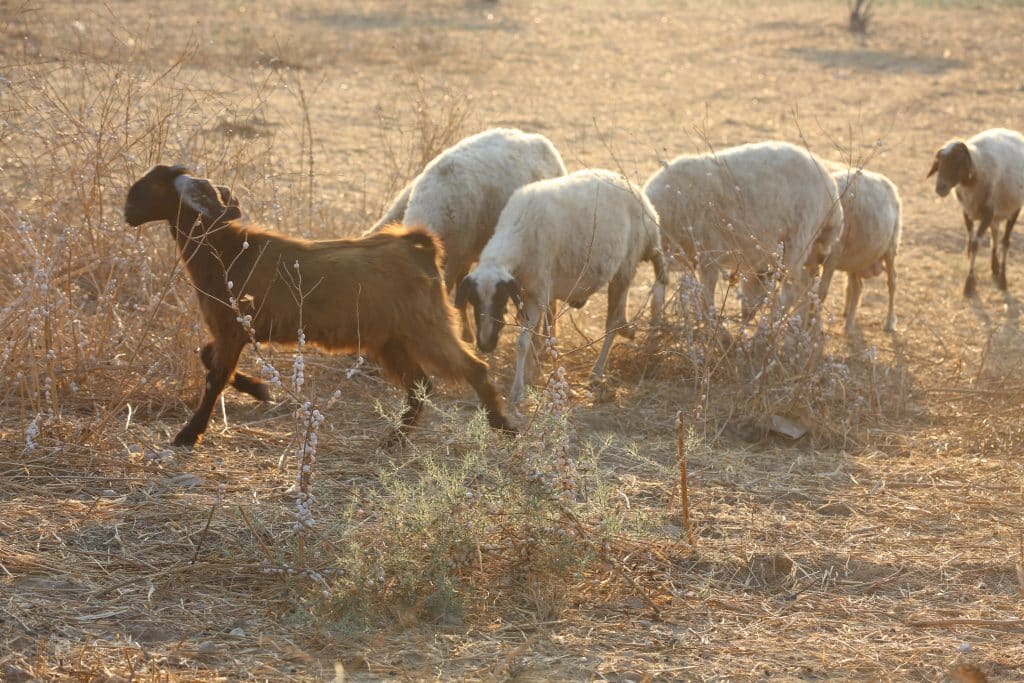
When God asked the sons of Adam – known in Arabic as Habil and Qabil – to offer him a sacrifice, Habil – a shepherd – offered the best sheep in his flock with sincerity, whereas Qabil offered only poor crops and his sacrifice was not accepted, ultimately leading to his jealousy and murder of his brother.
Choosing your Qurbani
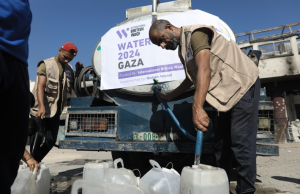
What should you consider when choosing where to give your Qurbani? Since it’s your Qurbani, you can decide where you’d like to perform the sacrifice – do you want to give it to people in a specific country that you have ties to? Maybe you want to help people going through emergencies, such as in Sudan and Gaza? You can also let your budget help you decide – meat is cheaper in some countries, and so it follows that it’s cheaper to give your Qurbani there.
The key thing to consider is whether the charity performing your Qurbani has a thorough understanding of Islamic requirements, with experience in the complex and rigorous nature of the Qurbani sacrifice. An organisation with experience will strictly follow the follow the regulations for Qurbani.
What are the requirements of a Qurbani slaughter?
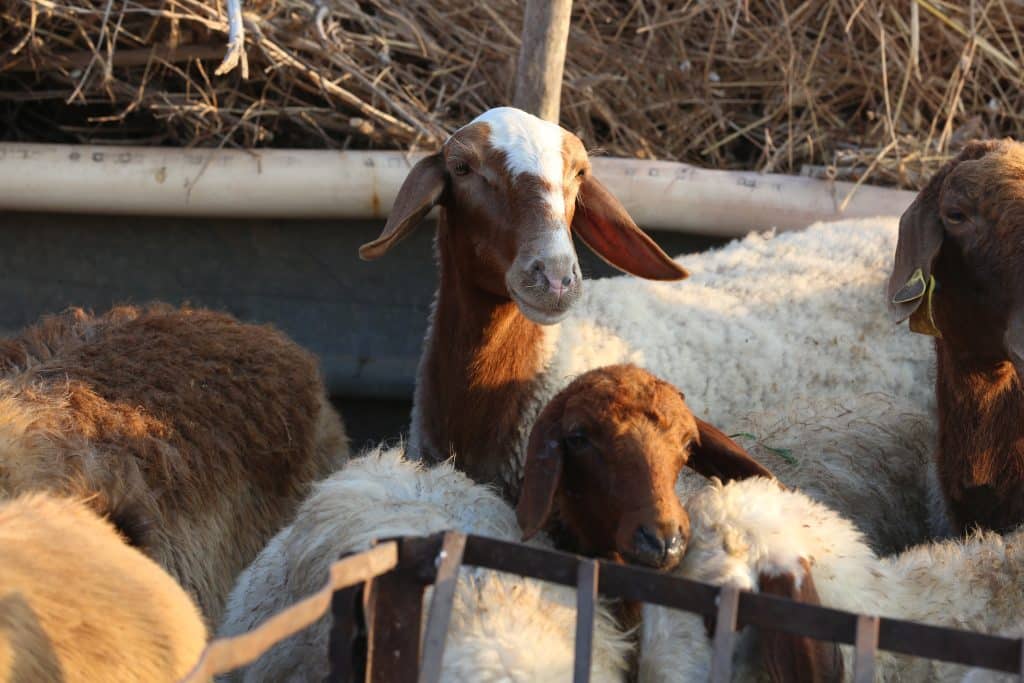
The animals must be well-treated and not witness any sacrifice, so they do not experience distress.
A very sharp knife should be used to minimize pain.
The animals must be slaughtered in the name of Allah
Slaughtered in accordance with halal requirements
Animals must be healthy and well cared for.
All sacrifices must be performed on the four days of Eid al-Adha, after Eid prayer.
A goat or sheep counts as one sacrifice, whereas a cow counts as seven
It is also sunnah that the person performing the slaughter shouldn’t cut their hair or nails during the first 11 days of Dhul Hijjah until after completing the sacrifice.
Can I make a Qurbani on someone else’s behalf?
Yes, in fact it is sunnah for a man to offer a Qurbani on behalf of their household – living and passed – and you can even make the intention to include other people in the reward too.
A Qurbani can even be carried out on behalf of a loved one who has passed, providing them with the blessings of a sadaqah.
One donation gives your Qurbani for the rest of your life (and beyond)
How does that work? When you donate your Qurbani via The Waqf Fund, your charity is never spent; it’s invested in Sharia-compliant assets – such as properties. The profit made – in this case rent – is used to provide your Qurbani, after the very first year. Each year, 10% of your profit is reinvested, so not only do we provide your Qurbani sacrifice every year, but we increase the amount you give, every single year. After your lifetime, this share becomes an ongoing charity, providing blessings to you in the grave, year after year, after year.
A Qurbani share costs £2,000, but it gets to work right away – from year 1, you never have to pay another Qurbani again – we’ve got you sorted!
The Waqf Fund. Good, for good.