Waqf — the Islamic endowment — has been a cornerstone of Muslim civilizational progress for centuries. From providing free education and healthcare to funding water wells and community services, waqf institutions have transformed lives across generations. In this article, we explore why waqf remains vital today, how it benefits communities, and how modern donors can contribute for lasting impact.
1. What Is Waqf?
Waqf (وقف) is the concept of dedicating an asset, property, or wealth permanently for charitable or communal benefit. Once endowed, the original asset remains preserved, while its benefits — revenue, services, or utilities — serve people in need indefinitely. This ensures that charity continues long after the donor is gone.
2. Historical Role of Waqf in Muslim Civilization
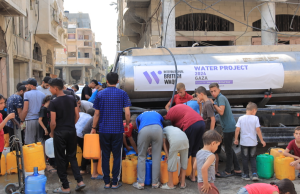
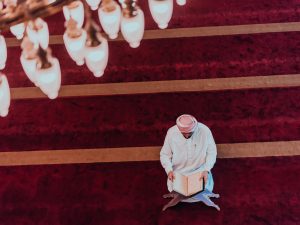
Throughout history, waqf institutions funded major mosques, schools, libraries, hospitals, fountains and shelters. These endowments enabled widespread education, healthcare and public services — often independent of the state.

3. Modern Benefits of Waqf: Sustainability & Community Impact
In today’s world, waqf remains one of the most effective tools for sustainable charity:
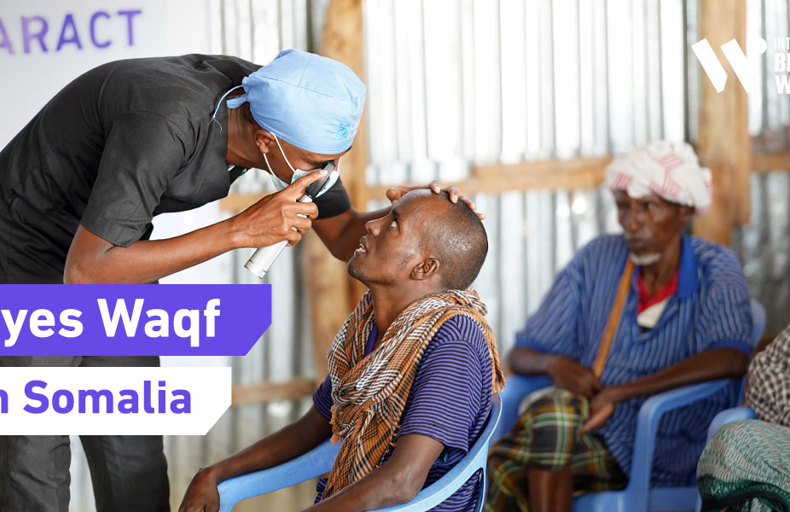
- It supports long-term projects: education, health, water, housing, and social welfare.
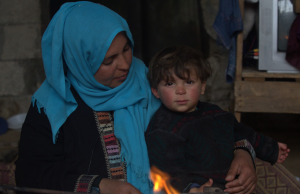
- It builds community resilience — especially in regions affected by poverty, conflict or lack of infrastructure.
- It offers transparency and accountability when managed by reputable organisations.
- Each donation becomes part of a legacy — benefiting people today and for generations to come.

4. How You Can Contribute to Waqf Today
You don’t need to own vast wealth to participate — contributing a share, sponsoring a project, or recurring donations to waqf-based funds helps sustain community services and social impact. Many organisations now offer transparent dashboards, impact reports, and options to direct your contribution toward sectors you care about.
Conclusion: Waqf — A Living Legacy of Charity
The beauty of waqf lies in its continuity. One act of endowment can transform lives, support communities, and uplift generations. By contributing to modern waqf initiatives, you become part of a timeless tradition of giving that lasts — in this world and the next.
Make your charity timeless — invest in waqf, support sustainable projects, and leave a legacy of benefit for humanity.
FAQs about Waqf and Its Importance
What distinguishes Waqf from regular charity (Sadaqah)?
Waqf is a permanent endowment: the principal asset remains untouched while its benefits serve people continuously. Sadaqah normally refers to one-time or occasional acts of charity.
Can any person contribute to a Waqf fund?
Yes. Modern waqf funds allow individuals to donate small or large amounts, making charity accessible without needing large assets.
Does Waqf benefit only Muslims?
Waqf aims at universal social welfare — education, health, water, shelter — therefore its benefits reach anyone in need, regardless of background.
Is Waqf more impactful than one-time donations?
Because its benefits are perpetual and sustainable, waqf often has far greater long-term impact than one-time aid.