
Why do Muslims fast in Ramadan?
There are so many benefits Muslims receive from fasting in Ramadan. Often when appealing to a non-Muslim audience, we can fall into the trap of trying to convince them that Ramadan is important because it teaches us empathy, patience, resilience and determination. But the reason that we fast, and the reason that Ramadan is valuable to us is simply because Allah commanded us to fast.
The Messenger of Allah ﷺ said, “(Allah said), ‘Every good deed of Adam’s son is for him except fasting; it is for Me. and I shall reward (the fasting person) for it.’ (Hadith al-Bukhari)
Benefits of Ramadan
We fast in obedience to Allah and to please Him, but that’s not to say that there aren’t tangible benefits to it too. You’d be hard-pressed to find a Muslim who doesn’t feel a deep spiritual enrichment in Ramadan. What benefits do Muslims experience, spiritually, physically, and mentally?
1. God-consciousness
“O you who have believed, decreed upon you is fasting as it was decreed upon those before you that you may become righteous.” (The Holy Quran 2:183)
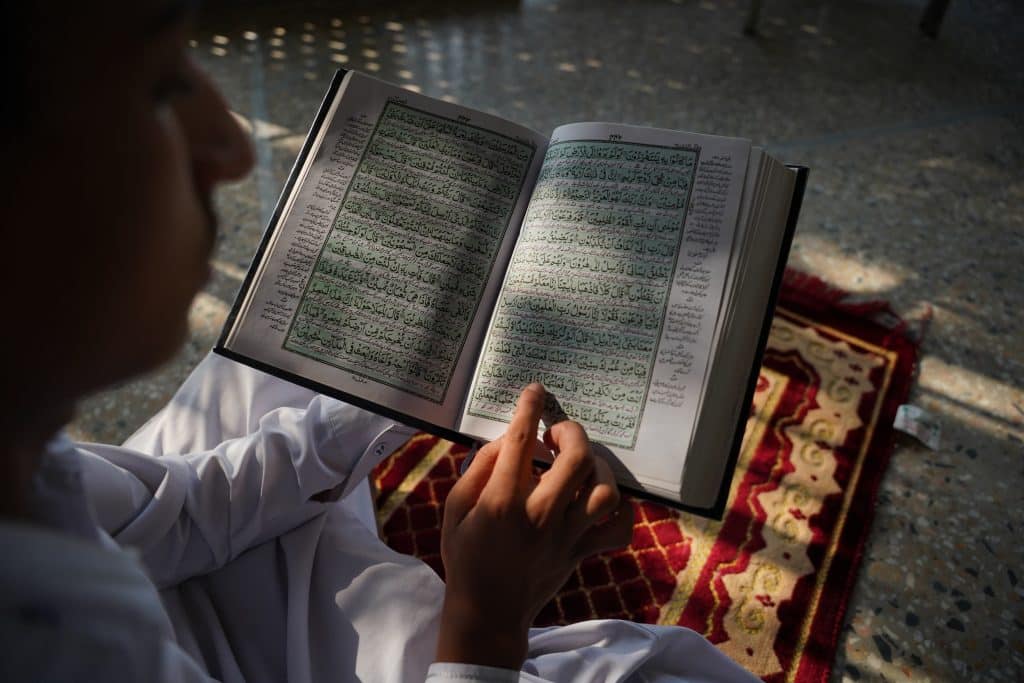
Ramadan and all its requirements bring Muslims closer to God, teaching us to be mindful of Him in all our actions, and remembering Him more frequently throughout the day, through adhkar, additional prayers, and a closeness to the Quran. Each pang of hunger or thirst reminds us that we are in obedience to The Almighty.
2. Gratitude
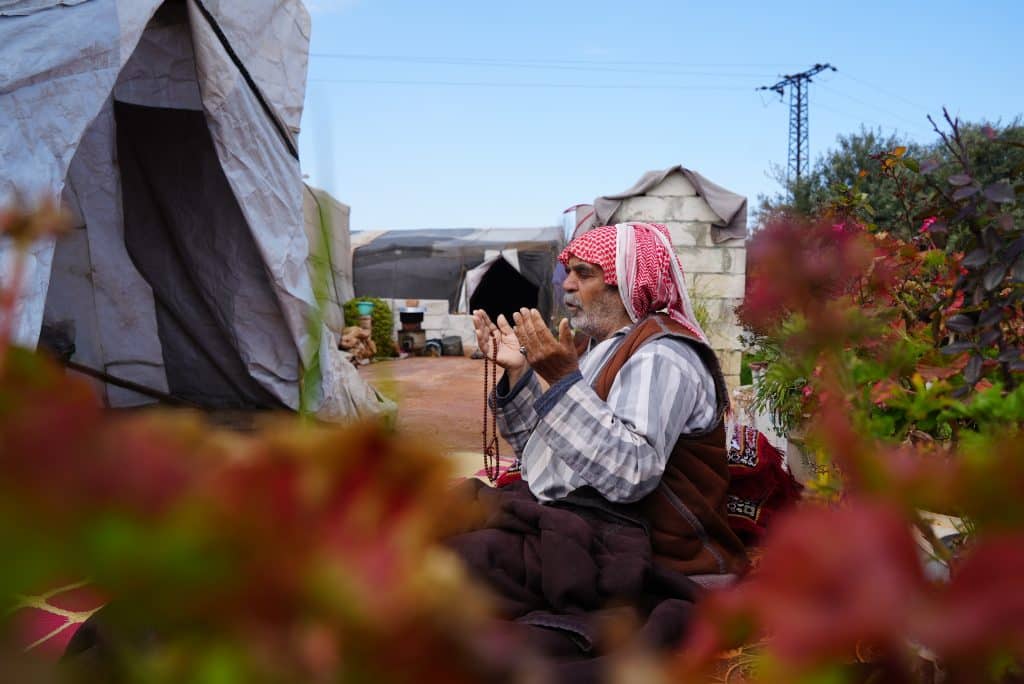
Experiencing hunger gives fasting Muslims a very small window into the pain that people going hungry endure, and invites gratitude for an abundance of food. Those fasting abstain from food knowing that they will have a meal at the end of it, which significantly reduces the stress and pain of hunger. But it’s important to remember that Muslims without enough food fast too, often without a meal to power them for the day or with a nourishing meal at the end.
The Waqf Fund helps to provide families with nourishing food for the entire month of Ramadan with our Ramadan iftars waqf.
3. Discipline and resilience
It takes consistent and prolonged effort to fast every day for an entire month. Each phase of the month comes with its own challenges and pushes Muslims to experience a different kind of life that focuses not in impulse and gratification, but on transcendence and discipline. It’s not just a fast of food, but Muslims should abstain from all bad temptations, including any music, company, or places that can tempt anything that could encourage haram or break the fast.
4. Kindness
Ramadan requires Muslims to put additional care into being more selfless. We’re encouraged to think of others more often, to give in charity, and to volunteer time and energy to helping others. Conflict, fighting, arguments, and backbiting all reduce the reward of the fast and we should abstain from all of these.
As we fast this Ramadan in obedience to Allah, may He allow us to attain taqwa, gratitude, discipline, resilience, and kindness this Ramadan. May we carry these attributes long after the month ends and may He accept all our efforts in the Holy Month.