
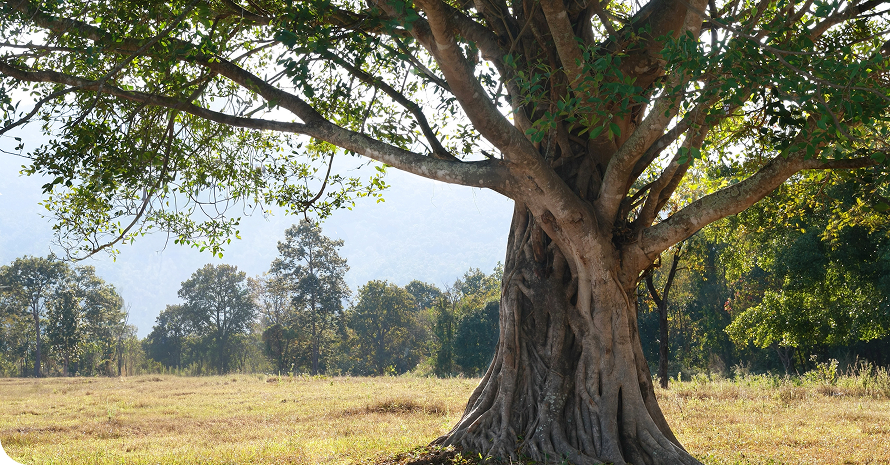
What makes waqf so unique is that it’s designed to last forever. According to the Sharia, your waqf is protected – nobody can own or consume it, and its benefits should last year after year.
How has this special Islamic charity shaped the world?
From the time of the Messenger ﷺ waqf has continued to benefit the world. When Uthman Ibn Affan saw a community being extorted to access water from a well, he purchased the well and deemed it a waqf, with free water for all, right up until today. This waqf also includes its surrounding date palm orchard; until today the proceeds from selling dates are used to support orphans, build mosques, and even buy a hotel to generate more income for charity.
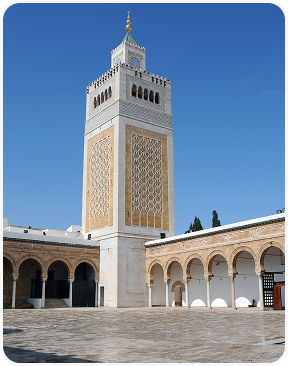
The graduates of waqf
At the heart of waqf isn’t its buildings or wells; it’s the beneficiaries. Many of the world’s greatest scholars and doctors were trained in Islam’s waqf-funded institutions.
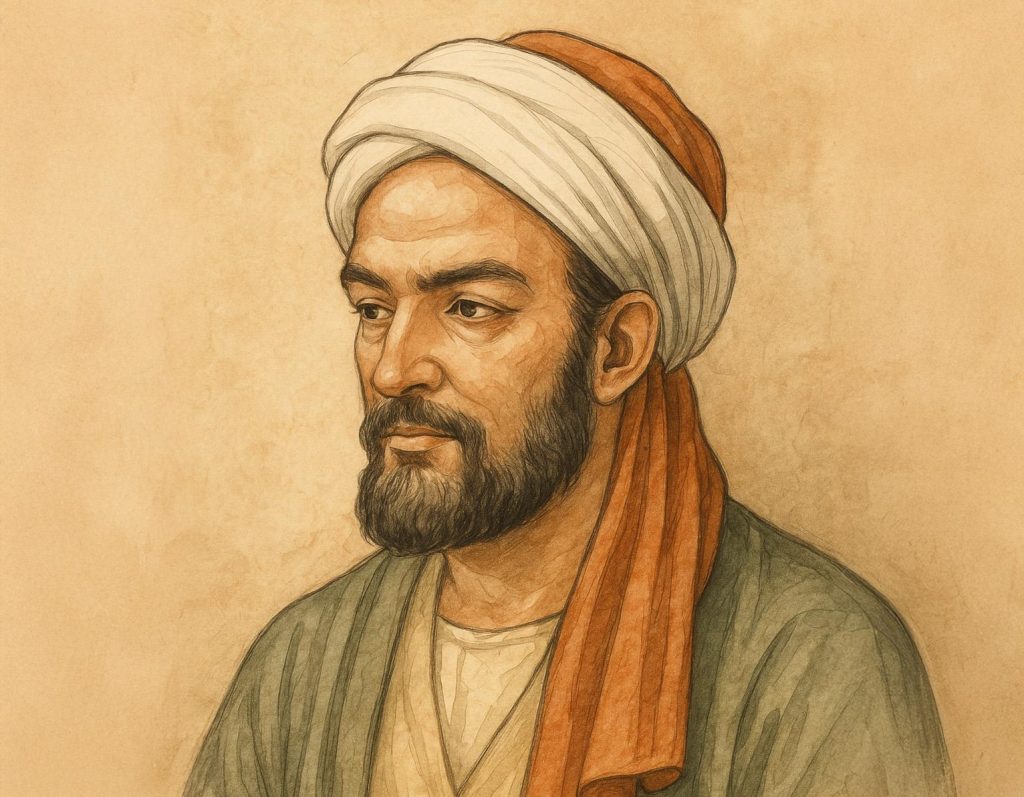
Ibn Sina (Avicenna)
Philosopher and physician, and the father of modern medicine studies at waqf-funded madrasas and libraries.
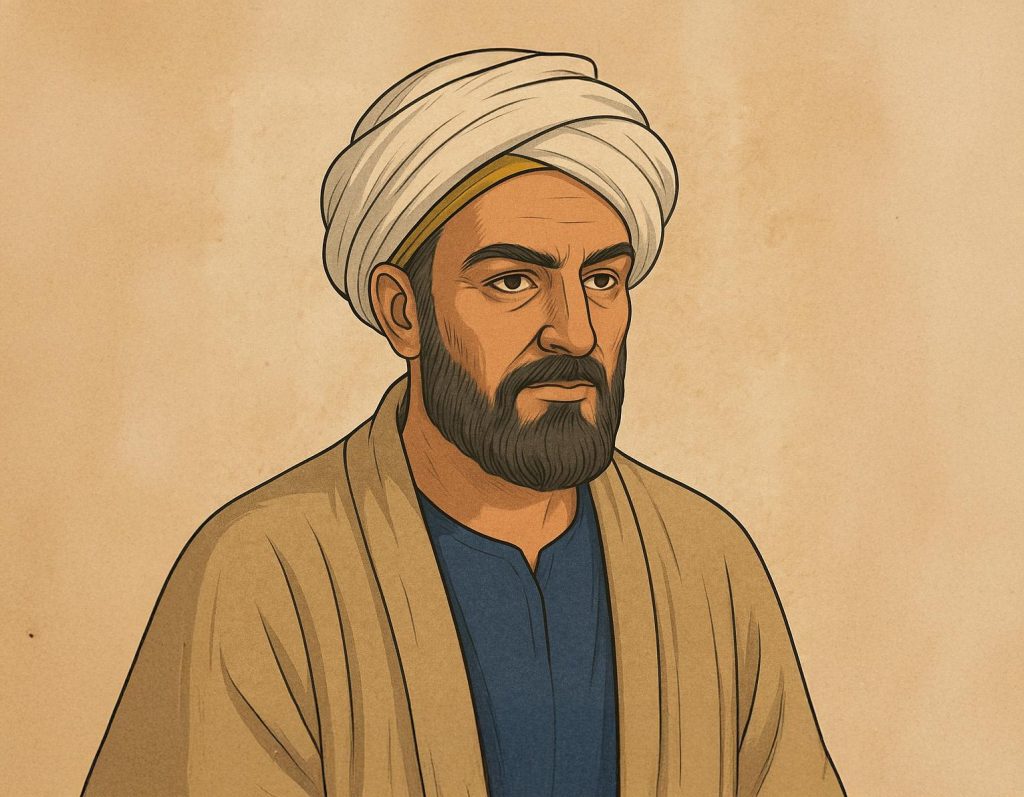
Ibn Khaldun
A historian and philosopher studied at Zaytouna University in Tunis and at Al Qarawiyyin in Fes.
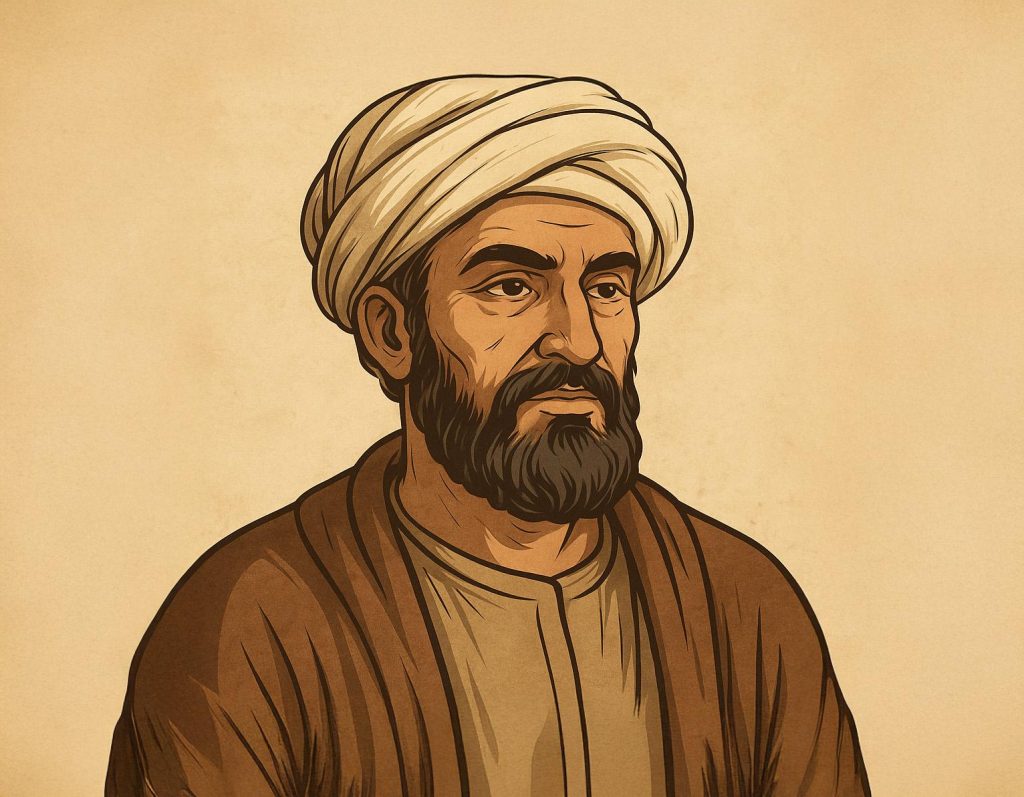
Ibn Rushd (Averroes)
A prominent scholar who contributed to medicine, theology, astronomy, physics, maths and law, and studied at waqf-funded centres in Cordoba.
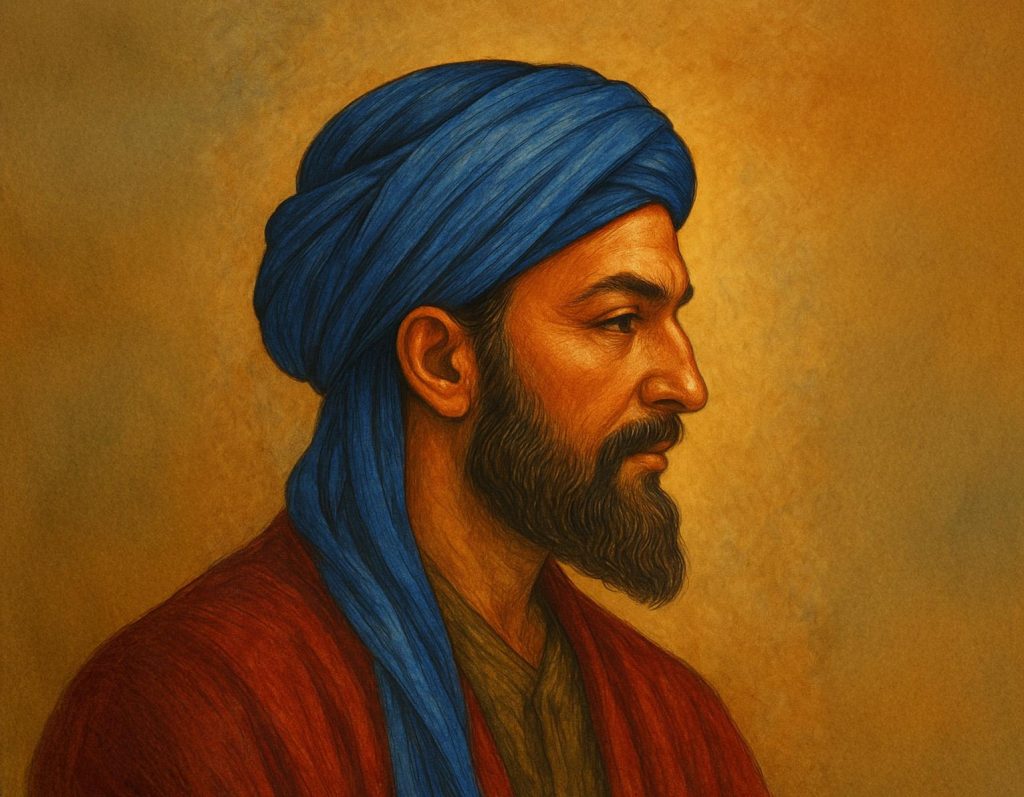
Ibn al-Nafis
Discovered pulmonary blood circulation and worked at Mansuri Waqf Hospital in Cairo.
Ready to shape the future for the ummah of tomorrow?
Your donation can truly change lives. £100 today can grow to support 60 people per year in 10 years, and 400 people per year in 50 years. Here’s how:
Today!
Donate £100 to water projects
Investment
£90 is invested in property
Every year
Every year, 80% of profits are donated to a water project, 10% is reinvested in property
Report
We report your waqf back to you
Be part of a legacy that never ends
Your waqf could be the next Ruma Well—benefiting people for centuries.