
Zakat, Sadaqah & Waqf: Comprehensive Guide to Islamic Charity
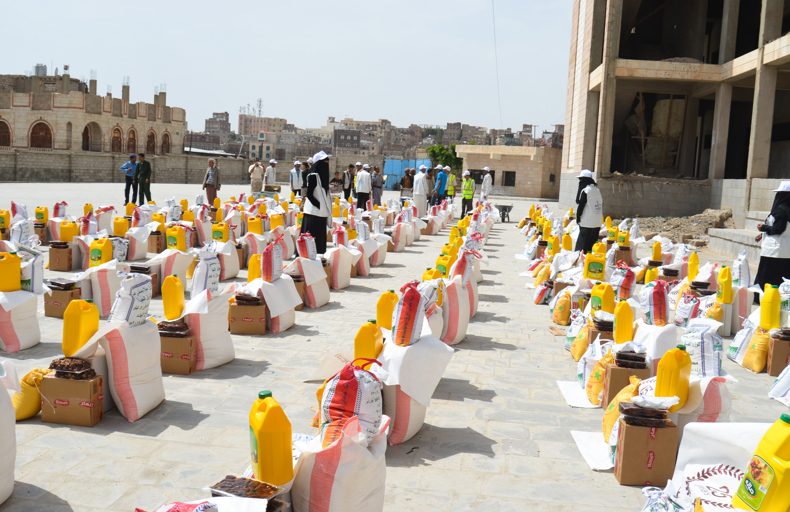
In Islam, charitable giving can take many forms — obligatory and voluntary. This guide explains clearly the differences between Zakat, Sadaqah, and Waqf, how each works, when and why they are given, and how together they form a complete system of social support, mercy, and sustainable charity.
1. What Is Zakat?
Zakat is the compulsory alms-giving that every eligible Muslim must pay annually, given to specific categories of recipients defined in the Qur’an. It is part of the pillars of Islam and purifies one’s wealth and soul.
2. What Is Sadaqah?
Sadaqah is voluntary charity — given at any time, in any amount, with sincerity and good intention. It covers acts of kindness, donations, help, and support beyond what is obligatory.

3. What Is Waqf?
Waqf (endowment) is a lasting form of charity where a donor dedicates assets or property, so that its benefit serves people permanently — like schools, water wells, mosques, or healthcare for the needy.

4. Zakat vs Sadaqah vs Waqf — Key Differences
- Nature: Zakat is obligatory, Sadaqah is voluntary, Waqf is an endowment.
- Frequency: Zakat — annually; Sadaqah — any time; Waqf — one-time endowment, lasting benefit.
- Recipients: Zakat — defined categories; Sadaqah & Waqf — any deserving cause or person.
- Purpose: Zakat purifies wealth; Sadaqah expresses generosity; Waqf sustains long-term community benefit.
5. When Should You Give Zakat, Sadaqah or Waqf?
– Give Zakat when you meet the nisab and the lunar year is complete.
– Give Sadaqah whenever you feel compassion, gratitude, or want extra reward.
– Establish Waqf when you want your charity to benefit generations, or support a long-term project like education, water, or healthcare.
Conclusion: Balanced Giving for Maximum Impact
Understanding the difference between Zakat, Sadaqah, and Waqf empowers you to give wisely — fulfilling obligations, expressing generosity, and building lasting charity. When combined, they create a complete Islamic system of social solidarity and enduring benefit.
Choose your path of giving — or combine them — and support causes that last. Your charity today can build hope for generations.
FAQs about Zakat, Sadaqah & Waqf
Can I give Zakat and also donate Sadaqah or Waqf?
Yes. Zakat covers obligatory alms. Sadaqah and Waqf are additional voluntary acts of charity. Combining them increases reward and impact.
Is Waqf better than one-time Sadaqah?
Waqf provides ongoing benefit for communities and generations — often better for long-term social impact than one-time donations.
Who can receive Zakat?
Zakat recipients must be among the categories specified in the Qur’an — the poor, needy, debtors, etc. Those already under your financial care (like parents) are excluded.
When should I choose Sadaqah over Zakat?
Use Sadaqah when you want to give extra help: small acts of kindness, unexpected help, or support outside Zakat obligations.
Can I dedicate Waqf in the name of a loved one?
Yes. Waqf can be dedicated on behalf of someone else. Their reward continues as long as the Waqf serves people, even after they pass away.
Why Understanding the Difference Matters
Understanding the difference between Zakat, Sadaqah, and Waqf is important for every Muslim who wants to give charity correctly. Each form of giving carries a unique purpose in Islam — Zakat fulfills an obligation, Sadaqah brings voluntary reward, and Waqf creates lasting impact through ongoing charity. When Muslims understand these differences, they can plan their giving more wisely and maximise both immediate and long-term spiritual benefits.