
Logo

Waqf Charity

What is the Meaning of Waqf?

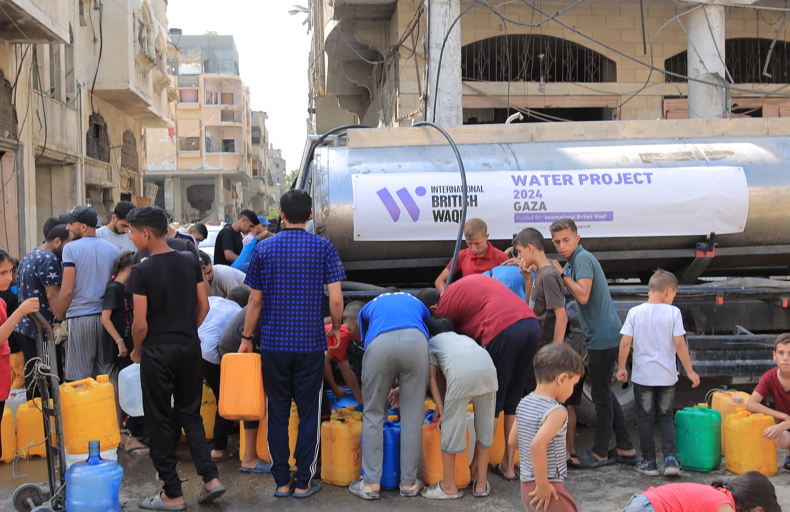
People collecting water from a tanker in Gaza funded by International British Waqf

When Allah laid the foundations of Islam, He instituted systems that serve its pillars. Among these systems, waqf charity has long been one of the most vital elements of charitable work in Islam, fostering social solidarity and sustainable development. Waqf supports educational, health, social, and religious projects.

What Does Waqf Mean?

Waqf charity is a Sunnah of the Prophet Muhammad (peace be upon him), referring to the act of dedicating a property or asset with the intention of benefiting others. This can involve donating the proceeds for charitable works that contribute to public welfare. The principal remains intact, and its returns are invested in serving the community — making it a continuous charity.

Infographic explaining waqf project cycle
Waqf remains intact while its returns serve the community.

Characteristics of Waqf Charity

Waqf has defining characteristics:

  • Durability and sustainability over time
  • It cannot be used for personal benefit
  • Professional management through specialised entities
  • Diverse fields — education, healthcare, poverty, infrastructure

The Concept of Waqf in Islam

In Islam, waqf is a legally recognised concept and a continuous charity supported by Hadith. Umar ibn al-Khattab established land for Muslims upon the Prophet’s guidance. Uthman ibn Affan dedicated a public well — and it remains ongoing charity today.

Is it Permissible to Sell Waqf?

In general, selling waqf is not permissible. However, scholars allow selling or replacing waqf if there is a compelling interest, such as being unable to benefit from it — with approval from responsible authorities.

The Role of Waqf in History and Society

Waqf played a major role in Islamic civilisation — from universities like Al-Azhar and Al Qarawiyyin, to Ottoman public libraries and endowments. Ibn Battuta admired Damascus waqfs for supporting pilgrims, brides, captives, and travellers.

The Modern Form of Waqf Charity

Today, waqf continues supporting development, healthcare, research, and aid. International British Waqf manages donations through financial shares invested in low-risk ventures — generating annual returns reinvested into projects.

Aid worker distributing meals in humanitarian area funded by Waqf

In Conclusion

The objectives of waqf charity ensure sustainability and social solidarity. By contributing waqf through International British Waqf, you support initiatives such as education, healthcare, orphans, and water projects — earning continuous charity and reward.

Frequently Asked Questions About Waqf

What is waqf charity?

Waqf refers to dedicating a property or asset for public benefit — such as education and healthcare.

What is the difference between charitable waqf and familial waqf?

Charitable waqf serves public good, while familial waqf benefits descendants — and may transition to public if beneficiaries no longer exist.

Is it permissible to sell waqf charity?

Selling waqf is prohibited except for compelling necessity with authority approval.

Why donate your waqf through International British Waqf?

Because it ensures secure investment compliant with Islamic law — reaching needy communities globally.

Can I donate my zakat for waqf?

Zakat is obligatory and differs from waqf, which is voluntary — so the methods and distributions are different.

The Importance of Waqf: How Islamic Endowments Benefit Society

Historic Islamic waqf building serving community

Waqf — the Islamic endowment — has been a cornerstone of Muslim civilizational progress for centuries. From providing free education and healthcare to funding water wells and community services, waqf institutions have transformed lives across generations. In this article, we explore why waqf remains vital today, how it benefits communities, and how modern donors can contribute for lasting impact.

1. What Is Waqf?

Waqf (وقف) is the concept of dedicating an asset, property, or wealth permanently for charitable or communal benefit. Once endowed, the original asset remains preserved, while its benefits — revenue, services, or utilities — serve people in need indefinitely. This ensures that charity continues long after the donor is gone.

2. Historical Role of Waqf in Muslim Civilization

Throughout history, waqf institutions funded major mosques, schools, libraries, hospitals, fountains and shelters. These endowments enabled widespread education, healthcare and public services — often independent of the state.

Ancient waqf mosque and madrasa complex
Historical waqf foundations built mosques, madrasas and public facilities that served generations.

3. Modern Benefits of Waqf: Sustainability & Community Impact

In today’s world, waqf remains one of the most effective tools for sustainable charity:

  • It supports long-term projects: education, health, water, housing, and social welfare.
  • It builds community resilience — especially in regions affected by poverty, conflict or lack of infrastructure.
  • It offers transparency and accountability when managed by reputable organisations.
  • Each donation becomes part of a legacy — benefiting people today and for generations to come.
Modern waqf fund supporting community welfare
Contemporary waqf funds combine tradition with modern governance to support sustainable charity and development.

4. How You Can Contribute to Waqf Today

You don’t need to own vast wealth to participate — contributing a share, sponsoring a project, or recurring donations to waqf-based funds helps sustain community services and social impact. Many organisations now offer transparent dashboards, impact reports, and options to direct your contribution toward sectors you care about.

Conclusion: Waqf — A Living Legacy of Charity

The beauty of waqf lies in its continuity. One act of endowment can transform lives, support communities, and uplift generations. By contributing to modern waqf initiatives, you become part of a timeless tradition of giving that lasts — in this world and the next.

Make your charity timeless — invest in waqf, support sustainable projects, and leave a legacy of benefit for humanity.

Support Waqf Projects

FAQs about Waqf and Its Importance

What distinguishes Waqf from regular charity (Sadaqah)?

Waqf is a permanent endowment: the principal asset remains untouched while its benefits serve people continuously. Sadaqah normally refers to one-time or occasional acts of charity.

Can any person contribute to a Waqf fund?

Yes. Modern waqf funds allow individuals to donate small or large amounts, making charity accessible without needing large assets.

Does Waqf benefit only Muslims?

Waqf aims at universal social welfare — education, health, water, shelter — therefore its benefits reach anyone in need, regardless of background.

Is Waqf more impactful than one-time donations?

Because its benefits are perpetual and sustainable, waqf often has far greater long-term impact than one-time aid.

Donate for Waqf