In Islam, charity is more than a social duty – it is an act of worship that connects the servant to Allah ﷻ. Among the most beloved forms of giving is Sadaqah: voluntary charity driven by sincerity, mercy, and the hope for reward in this life and the Hereafter. The Prophetic hadith about Sadaqah explain how giving benefits both the one who receives and, even more, the one who gives.
1. What is Sadaqah?
Sadaqah (صدقة) is voluntary charity given purely for the sake of Allah ﷻ, without being obligatory or fixed in amount. It is different from Zakat, which has specific rules and conditions.
Sadaqah can be money, food, clothing, time, knowledge, or any act that brings benefit to others. Even a kind word, a smile, or removing harm from the road can be counted as charity when done sincerely.
The Prophet ﷺ taught that every act of goodness is a form of charity. (Sahih Muslim)
This means that every Muslim has a door to Sadaqah open to them, regardless of how much wealth they possess.
2. Benefits of Sadaqah in the Hadith
The hadith about Sadaqah highlight that giving is not a loss; it is an investment with Allah ﷻ. Voluntary charity purifies the heart, cleanses sins, and brings blessings into one’s life.
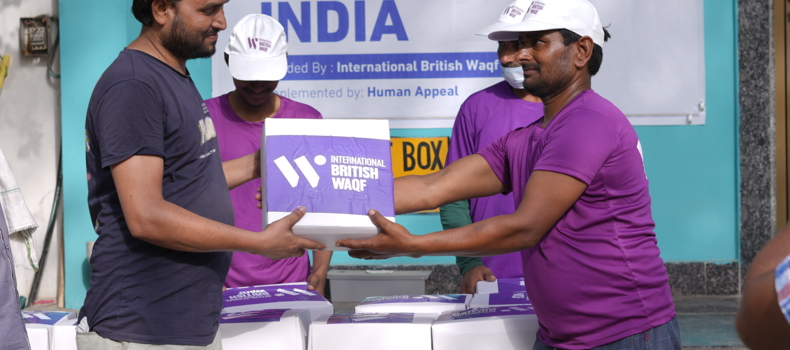
One famous narration likens charity to water that puts out a blazing fire: Sadaqah wipes away sins and softens a hardened heart. It also opens doors of mercy and relief at times when a person needs it most.
- It purifies wealth and soul.
- It brings barakah (blessing) into sustenance.
- It helps to repel trials and hardships.
- It will be a shade for the believer on the Day of Judgment.
3. Hadith about Giving Charity
Many hadith emphasise that whatever is given for the sake of Allah is never wasted. On the contrary, Allah ﷻ replaces it with something better, whether in this world or the next.
The Prophet ﷺ said in meaning: “Charity does not reduce wealth; rather Allah increases and blesses it.” (Sahih Muslim)
Another concise hadith teaches that a person should protect themselves from the Fire even if all they can give is half a date in charity. The value lies in sincerity, not in the size of the gift.
4. Hadith about Giving Charity in Secret
The Prophet ﷺ strongly encouraged believers to give quietly and sincerely, away from people’s praise and attention. Giving in secret protects the intention from showing off and keeps the heart focused on Allah alone.
Among the seven who will be shaded by Allah on the Day when there is no shade but His, is a person who gives charity so secretly that even the left hand does not know what the right hand has spent. (Bukhari, Muslim)
This special rank shows how greatly Allah honours those who give purely for His sake, without seeking recognition from others.
5. Sadaqah as a Shield from Calamity
Another powerful hadith explains that Sadaqah stands between a person and harm. When calamities are decreed, charity can be a means for Allah to remove or lighten them.
The Prophet ﷺ said in essence: “Give charity without delay, for it protects you from misfortune.” (Al-Tirmidhi)
This is why many Muslims increase their Sadaqah in times of illness, hardship, or fear. They know that charity is not only helping someone else – it is also a shield for themselves and their families.
6. The Role of Charity in Building Strong Communities
Sadaqah is not just about individual reward; it is a tool to strengthen the entire Ummah. Through charity, poverty is reduced, dignity is preserved, and trust grows between members of society.
The Prophet ﷺ said that a believer is not truly complete in faith if he sleeps full while his neighbour goes hungry. (Sunan al-Kubra)
Supporting education, healthcare, food, water, and livelihood projects through Sadaqah turns Islamic teachings into real change on the ground. Long-term initiatives such as Waqf and Sadaqah Jariyah continue to serve communities for years to come.
7. How Sadaqah Transforms the Believer
Giving for the sake of Allah reshapes the heart. It weakens attachment to wealth and strengthens reliance upon Allah ﷻ. It also trains the soul to be generous, patient, and compassionate.
The Prophet ﷺ described Sadaqah as a clear proof of faith – a sign that a person trusts Allah’s promise more than they fear losing wealth. (Sahih Muslim)
Every time a believer gives, they are quietly declaring: “My provision is from Allah, and whatever I spend for Him will return to me in a better form.”
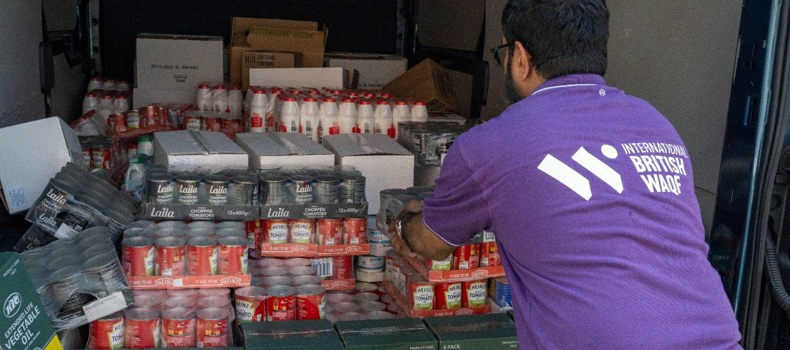
Conclusion: Turning Hadith into Living Sadaqah
The hadith about the benefits of Sadaqah show us that charity is a path to forgiveness, protection, and closeness to Allah ﷻ. It is also a means to lift others from hardship and to build stronger, more caring communities.
When Sadaqah is directed into Sadaqah Jariyah and Waqf projects – such as water wells, education, health care, and livelihood support – the reward continues to flow for as long as people benefit. Every prayer, every sip of water, every lesson learned through your donation becomes a source of ongoing reward, even after you leave this world.
Let these hadith be more than words we read – let them become actions we live.
FAQs about Sadaqah and its Benefits
What does “Sadaqah” mean in Islam?
Sadaqah is any voluntary charity given for the sake of Allah ﷻ. It includes money, food, clothes, time, support, or even a kind word – as long as it is done sincerely and without compulsion.
What are the main benefits of Sadaqah according to the hadith?
The hadith mention that Sadaqah wipes away sins, brings blessings into wealth, helps protect a person from calamities, softens the heart, and will be a reason for shade and safety on the Day of Judgment.
Is giving Sadaqah in secret better?
Yes. Giving privately is highly praised, because it protects the intention from showing off. The Prophet ﷺ mentioned that a person who gives charity so secretly that even their left hand does not know what the right has spent will be among those shaded by Allah on the Day of Judgment.
What is the difference between Sadaqah and Sadaqah Jariyah?
Sadaqah is any voluntary act of charity. Sadaqah Jariyah is a type of Sadaqah whose benefit continues over time, such as funding a water well, supporting education, or contributing to a Waqf fund that serves people year after year.
How can I turn these hadith into ongoing charity?
You can support long-term Waqf and Sadaqah Jariyah projects – such as water wells, education, healthcare or livelihood support – through trusted organisations. Your donation becomes a continuous source of benefit and reward whenever people use what you helped to build.