
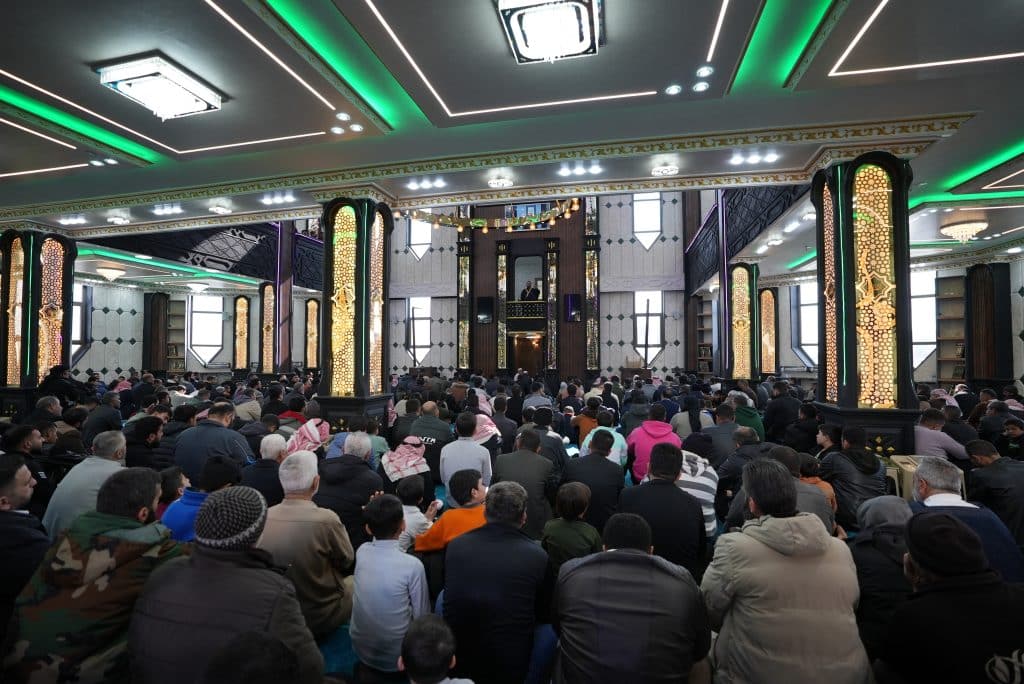
Ramadan is right around the corner, may Allah allow us to reach the blessed month with enthusiasm and patience.
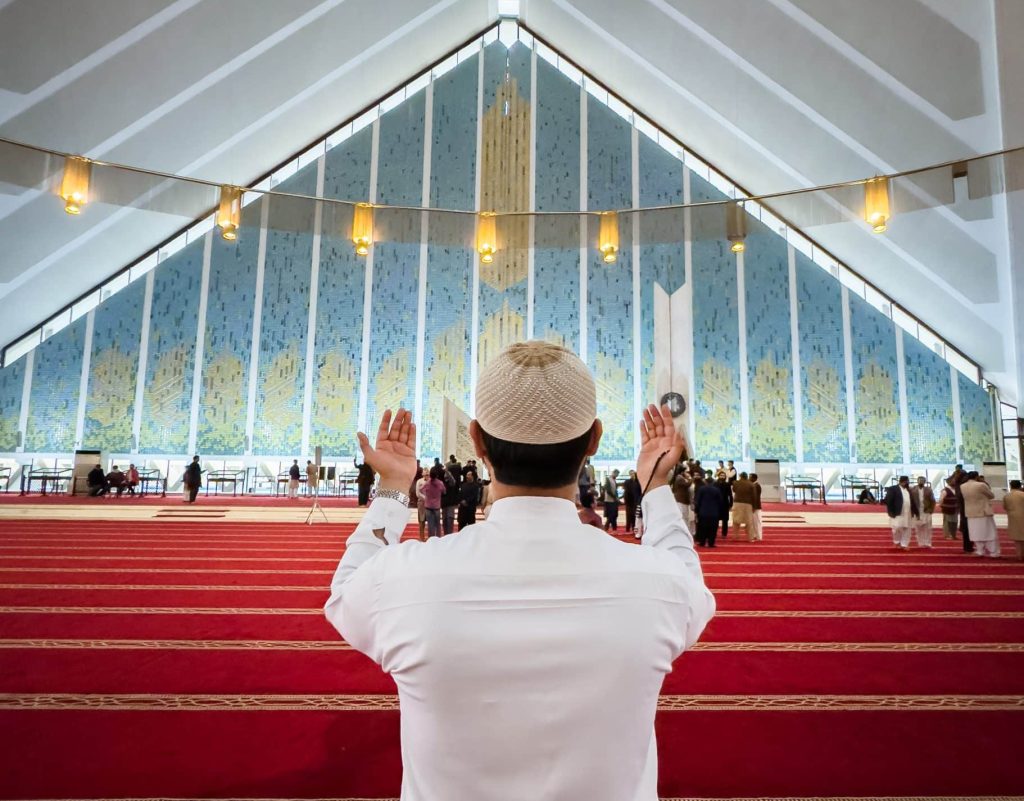
The sahabah used to pray that they could reach Ramadan:
Ibn Rajab reported: Ma’la ibn al-Fadl, may Allah have mercy on him, said, “The companions would supplicate to Allah for six months prior that they would reach Ramadan. Then, they would supplicate to him for six months afterward to accept their deeds.”
The focus of the entire year for the sahabah was centred on Ramadan. The importance of Ramadan remained with them the entire year, and it continued to be on their minds and in their actions. It’s an example that we should work to replicate. But what does that mean?
Ramadan as a springboard
As Muslims, we rightly focus so much energy on Ramadan, especially the last 10 days. It can be tempting arrive at Eid al-Fitr and cast off our focused worship. But Ramadan is not just a mercy because of the forgiveness and blessings it brings, but because of the opportunity it provides – it teaches us of what we’re capable of.
We’re unlikely to be able to extend the taqwa that we have in Ramadan to the whole year, but we can certainly implement three simple changes.
Three acts of worship to change your life
As you worship this Ramadan, search for three forms of ibadah that you want to carry over to the month of Shawwal and beyond. Consider small, consistent acts that you can slot into your life. What could this look like?
Adhkar – Doing an additional 100 adhkar a day. Where did you manage to fit your adhkar in during Ramadan. When Ramadan ends, keep a sibha on you and instead of reaching for your phone when you have a few moments, tell yourself that you will reach for your phone after you’ve completed your daily adhkar.
Quran – When Ramadan is over, don’t let the Quran become a stranger. Ensure you continue benefiting from it by reading daily – be it a few ayahs or a full juzz, make sure that your heart is not deprived of the Quran.
Sunnah prayers – Work to complete all your sunnah prayers during Ramadan. While doing so, set your intention to continue praying at least 5 sunnah prayers and witr after Ramadan ends.
Fasting – Once you’re in Ramadan, it’s almost hard to remember what it’s like to be not fasting every day. It becomes second nature. Harness the ease of fasting that Ramadan brings by ensuring you fast six days of Shawwal, and continuing to fast at least once a week outside of Ramadan.
Dua – By the end of Ramadan, you should have a sizeable list of go-to duas. Make sure you continue to ask Allah to answer these duas, even if it’s just once a week on Fridays.
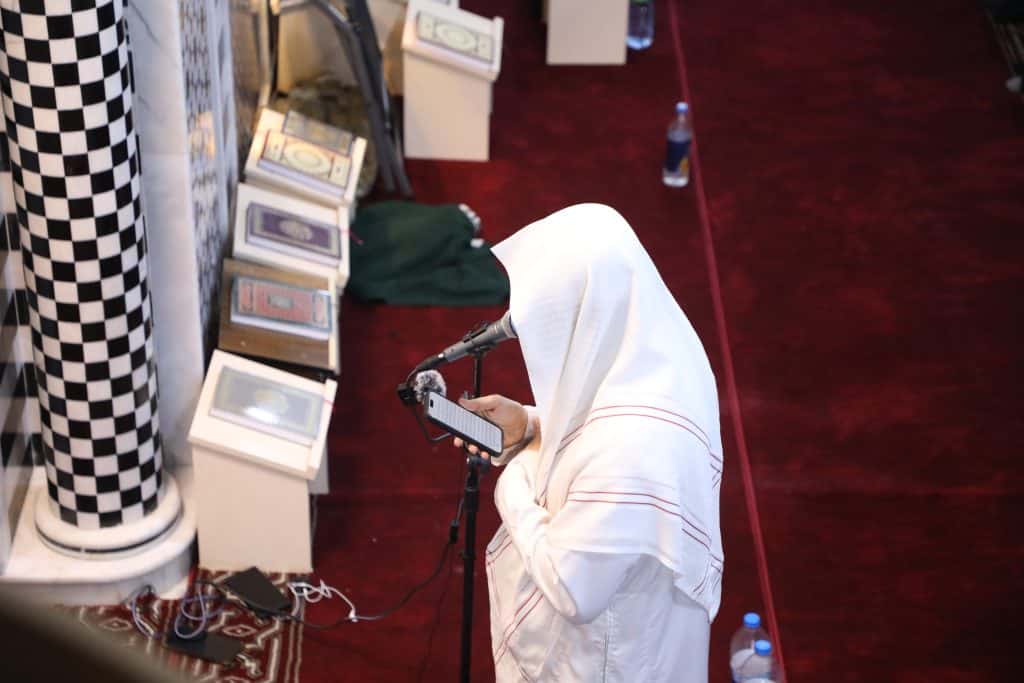
Tahajjud – Set your intention to work tahajjud into your life, even if it’s not every day or even every week. If you are facing challenges in life, or a decision to make, wake up for tahajjud and seek a connection with Allah in the quietest part of the night.
Charity – Continue any of the ways that you give back to your community – be it through volunteering, donations, or simply cleaning up in your mosque.
Remember, after a month of intensive worship on all fronts, continuing just 3 of these habits after Ramadan will still be a slow down, but one that you can continue in the long term.
May Allah allow is to reach Ramadan, leave it with our sins forgiven, and continue the habits we formed in Ramadan until next year inshallah.