Humans are creatures of habit, looking for familiar patterns that we inadvertently lean on. Like taking the same route to work, or sleeping on a particular side of the bed.
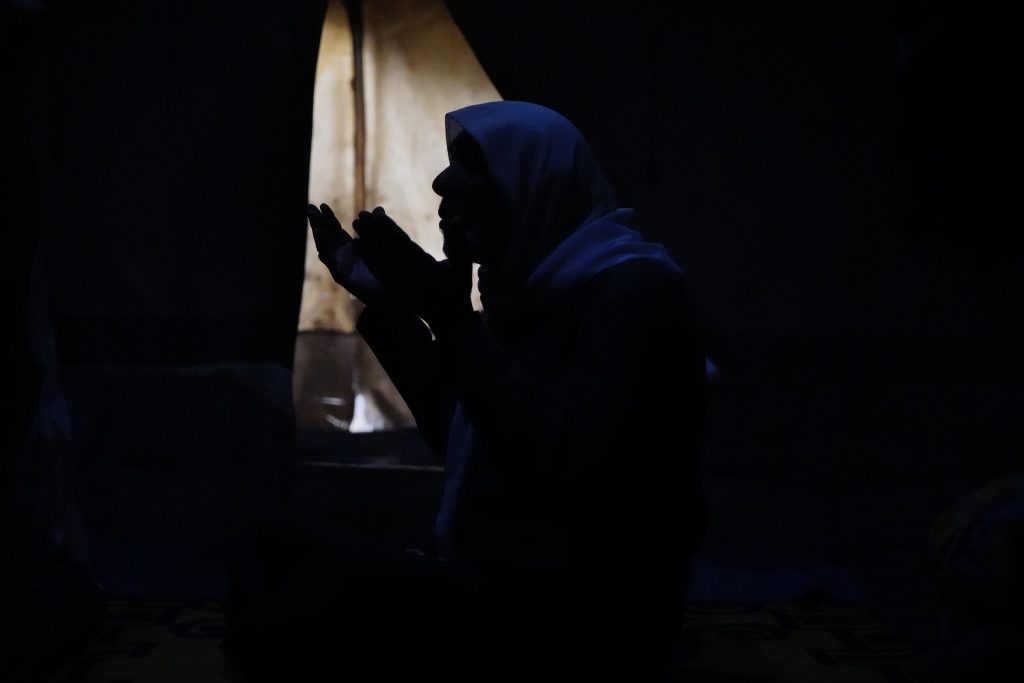
These habits translate over to Ramadan too. Those who prepare throughout Shaban tend to do so every year, and those who begin their Ramadan preparations the night before usually have a history of this.
But we can also split Ramadan into 3 common trends and pitfalls.
Phase 1 – Extreme enthusiasm
It is a wonderful gift to begin Ramadan with energy and passion – these are attributes to treasure. But they should also be coupled with realism. Should you stay awake the whole night when you have work, children, or other commitments to tend to in the morning. Or is it possible to set a realistic time where you will pause, and set the intention that you would have spent the whole night in prayer if you were able to? Create a realistic timeline for the month that pushes you but is achievable alongside your responsibilities.
Remember there is reward in providing and caring for your family too.
Eagerness without recognition of the context around you could lead to burnout and disappointment, ultimately reducing your ability to make the most of Ramadan.
The Asharas of Ramadan
The Messenger of Allah ﷺ said, “‘It is a month whose beginning is mercy, whose middle is forgiveness, and whose end is salvation from Hell. If anyone makes things easy for His slave during it, God will forgive him and free him from Hell.’” (Mishkat al-Masabih, Kitab as-Saum, Hadith 1965)
Allah has offered us mercy in the first ten days of the month of Ramadan. We should understand that although He wants us to push ourselves in Ramadan, He is Merciful to those who have commitments, and knows the desire we have to worship more than our responsibilities permit.
A dua for the first ten days
يَا حَيُّ يَا قَيُّومُ بِرَحْمَتِكَ أَسْتَغيثُ
Oh Everliving, The Everlasting, I seek Your help through Your mercy.
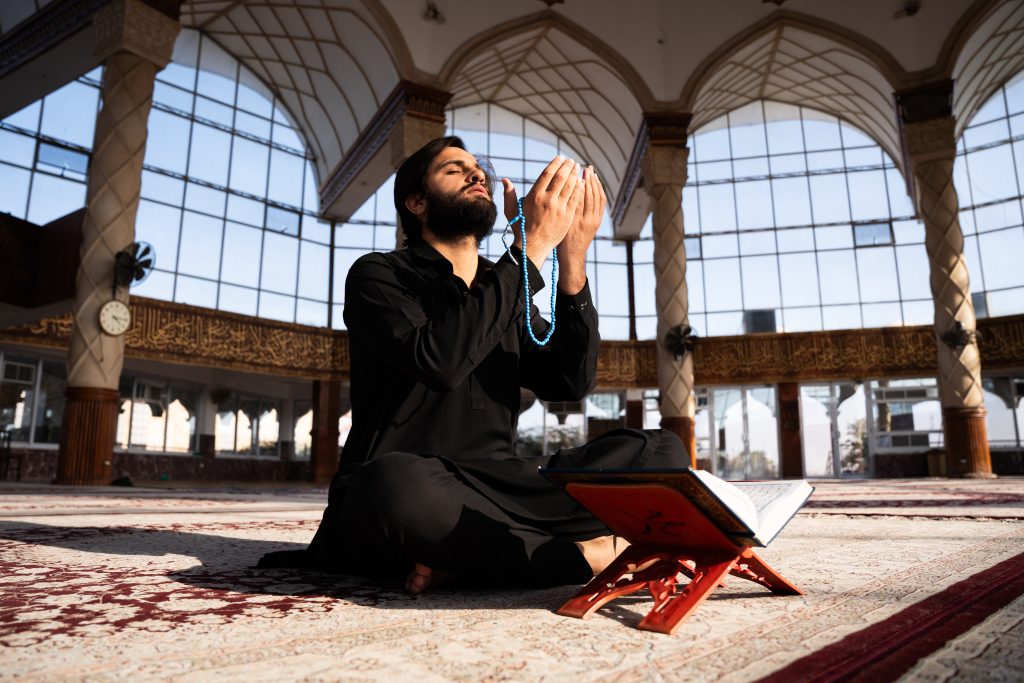
Phase 2 – The mid-month slump
By mid-Ramadan, maybe the excitement of the new month has worn off, and there is still so much of Ramadan left. Maybe you’re feeling tired and want to preserve energy for the last 10 days, or you’re feeling guilty for not living up to your expectations, or feel like you won’t ever reach your goals.
All of these emotions are deceptions of the brain and a test of your determination. There is still plenty of time to reach your goals if you break them down into digestible chunks – can you read an extra page of Quran with every prayer?
It’s helpful to remember that deeds are rewarded on their intention, so even if you don’t hit your goals, keep trying and striving with the intention of meeting your goals, and inshallah, Allah will open up your path or reward you for the intention you had.
Dua for the second ten days
اَسْتَغْفِرُ اللہَ رَبِّی مِنْ کُلِّ زَنْبٍ وَّ اَتُوْبُ اِلَیْہ
I seek forgiveness from Allah for all my sins and turn to Him.
Phase 3 – Desperation
For a poorly planned Ramadan, it can be common to reach the last ten days and be hit by a state of panic. Perhaps you’ve not prepared in a way that sets you up for a final push in the last ten days, or maybe you feel like you’ve missed your opportunity. This is negative influence that you must stand strong against. Even if you have done nothing to observe the first 20 days but fast, you still have a chance of the reward of 80 years by worshiping in the last 10 days.
Once the last 10 days begin, it’s a good time to push yourself, give your full energy, while saving enough to ensure you don’t give up after the 27th night. Remember, Laylatul Qadr could be on any of the last 10 nights.
Dua for the last 10 days
اَللَّهُمَّ أَجِرْنِي مِنَ النَّارِ
“O Allah! Save me from the Hellfire.”
Dua for Lalyatul Qadr (repeat it every night)
اللَّهُمَّ إِنَّكَ عَفُوٌّ كَرِيمٌ تُحِبُّ الْعَفْوَ فَاعْفُ عَنِّي
Allahumma innaka Afuwwun [Karimun ] tuhibbul `afwa fa`fu `annee
O Allah, indeed You are Pardoning, [Generous,] You love pardon, so pardon me
It’s never too late
No matter how many days of Ramadan are left, seek Allah’s forgiveness and ask Him to allow you to worship consistently for the rest of Ramadan.
This is why it’s so important to treat Ramadan as a marathon rather than a sprint. We shouldn’t give our entire energy from the start unless we have no other commitments, which is extremely rare in the modern world.
May Allah allow us to worship Him consistently and purposefully, and reward us for our intention. May He accept all our acts of worship inshallah.