The wisdom behind the pillars
The five pillars of Islam are the core and foundation for every Muslim. They structure our lives, define our relationship and obedience to God and create community and spirituality. Since they are core tenets, a Muslims should persist in following them regardless of their mood, which in turn helps to ground them through good times and bad.
But what are the five pillars?
Pillar 1
Shahada – The declaration that there is no God but Allah and Muhammad is His Messenger. This is said into the ears of newborns and uttered by people to become Muslim.
Pillar 2
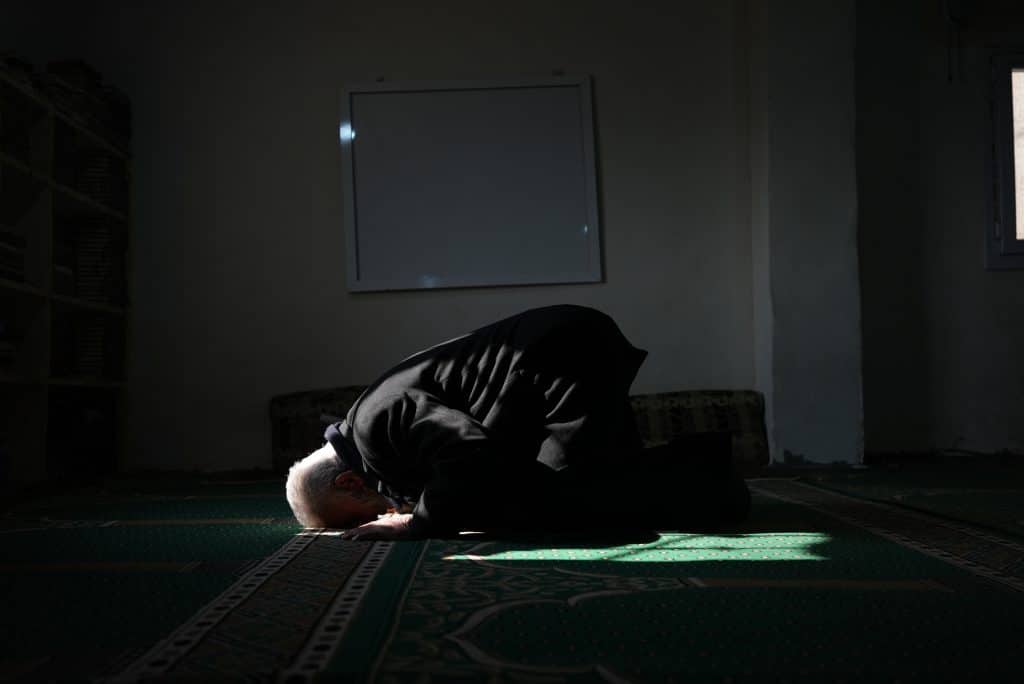
Salah – Performing five prayers each day, a way of connecting with Allah.
Pillar 3
Zakat – Giving a portion of our wealth to purify it every year.
Pillar 4
Sawm – Fasting the month of Ramadan for spiritual focus and religious recentring.
Pillar 5
Hajj – The pilgrimage to Mecca, a life-changing act of devotion and closeness to God.
What’s the significance of the order of the pillars?
The order of the pillars takes a person from the simplest foundation of the daily life, before requiring bigger sacrifices such as fasting for a month or travelling for Hajj. It gives grace and time to a person who is developing their faith to start with learning the core element of prayer before demanding an entire month of fasting or the physical and mental commitment of the pilgrimage.
What if we break the pillars?
First, a caveat – for a person who is new to Islam, the pillars will always take time. Even for a person who is Muslim but neglected their faith but is looking to return to it, it can take time to return to all elements of Islam, and Allah knows the hardships that each person faces.
With Hajj, for example, it is a duty for all who can afford to do it. Likewise, Zakat is obligatory only for those who meet the threshold of wealth.
But once a Muslim understands and practices their religion, they should strive to be consistent throughout hardships as this is what grounds us to Allah. Even in deep struggle, a sense of structure – such as through daily prayers – can be deeply helpful.
At this point, it is considered sinful to knowingly neglect the pillars of Islam, as these are foundational duties. There are many other ways that Muslims can improve on their worship to expand upon this foundation, but the pillars are mandatory.
I’m not fulfilling the pillars of Islam, how can I fix it?
Everyone is in a different place in their faith. For a person new to Islam, rushing in to complete all five pillars can backfire if not done with understanding and support. For example, they may start by learning the surahs of prayer, and struggling to complete one prayer a day until they are able to add additional prayer. Allah is the Most Understanding.
But if you’ve been neglecting your religion and want to Allah’s help to return – you’ve already done the hardest bit – the change of the heart. Thank The Most Merciful for this blessing and ask for His help to continue in obedience. Make a plan, with tangible steps about how you will reintegrate the pillars into your life. Be realistic, but also push yourself out of your comfort zone. How many prayers are you neglecting? Set a plan to add them back into your day. Is there a situation that’s preventing you from praying that you can change? Choose a time of year – maybe Ramadan or the Day of Arafah – to give your Zakat and put it in your calendar. Recite adhkar to help keep remembrance of Allah close.
With one step at a time, you’ve got this, inshallah.
What is Hajj?
Today, Hajj can be quite a bureaucratic process that requires a lot of planning and a big budget. You can begin saving for Hajj, and remember to make duaa that you can perform your pilgrimage – you can even set a timeframe in your duaa.

Arafah, Hajj and Qurbani
Each year, coinciding with the Day of Arafah – when pilgrims climb Mount Arafah (or stand in its surroundings) to intensely seek repentance from Allah. Muslims around the world who are not on Hajj usually pray on this day as fasting the Day of Arafah brings forgiveness for two years of sins.
On the day of Eid, Muslims globally also perform Udhiyah or Qurbani – sacrificing an animal as the Prophet Ibrahim (AS) did, a rite that became sunnah when the Messenger of Allah ﷺ also sacrificed an animal at Eid.
One donation to The Waqf Fund can cover the cost of your Qurbanis for the rest of your life. We invest your donation, and only the profit used pays for the sacrifice – every single year. In fact, your donation grows every year since we reinvest 10% of the profits.