
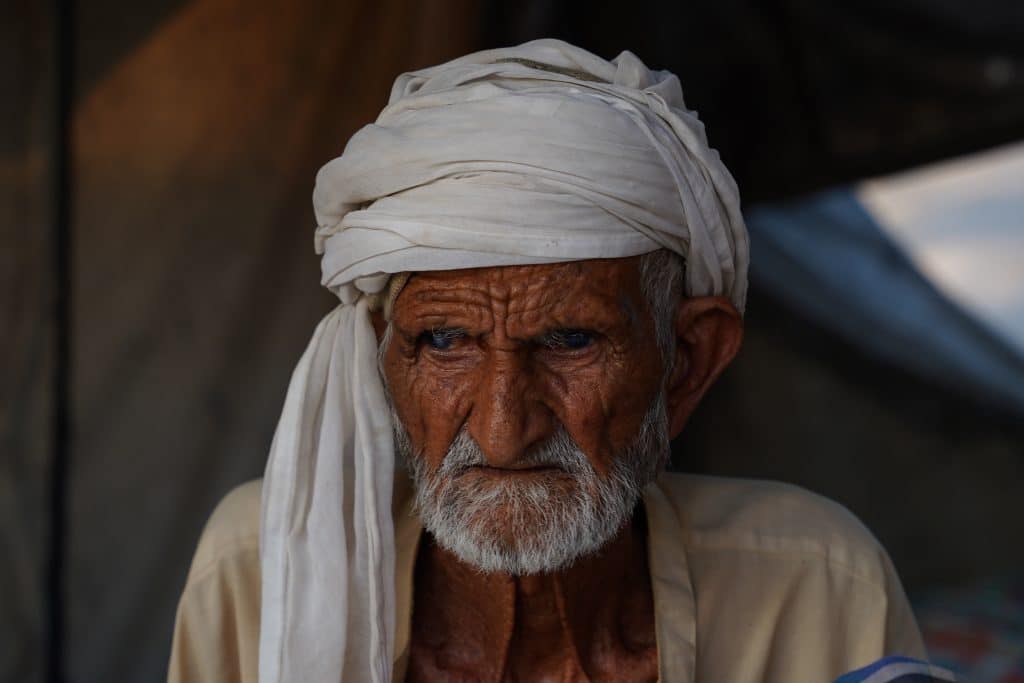
Giving waqf on behalf of a loved one
Sadaqah Jariyah for the Deceased offers a lasting way to honor and benefit loved ones who have passed away. As Muslims, we accept the divine decree of The Most Merciful when our loved ones pass. Even when the grief is deeply painful, the knowledge that Allah’s timing is perfect is a comfort. He has also provided Muslims with the mercy of allowing us to benefit our loved ones, even when they have passed away. Our prayers can reach and bless those who are gone, and so too can ongoing charity – sadaqah jariyah – given in their name.
The Messenger of Allah ﷺ said, “When a person dies, his deeds come to an end, except for three: ongoing charity (Sadaqah Jariyah), knowledge that is benefited from, and a righteous child who prays for him.” (Sahih Muslim)
What is a sadaqah jariyah?
Sadaqah jariyah is an ongoing charity, such as training someone with a vocational skill, providing a fruit tree, or installing a water pump. A waqf is a permanent charity, where the donated asset is never owned or sold, so it benefits people forever. It has strict parameters and often has a financial setup and guardian to ensure it is sustainable indefinitely.
This means that all waqf donations are a form of sadaqah jariyah, but not all sadaqah jariyah are considered waqf.
Can we give waqf on behalf of the deceased?
Absolutely. There’s a clear Islamic precedent for this, since waqf is a sadaqah jariyah.
“A man said to the Prophet ﷺ “My mother has died suddenly. I think that if she were able to talk (alive) she would have given in Sadaqah (charity). So, if I give Sadaqah now on her behalf, will she get the reward?” The Messenger of Allah ﷺ said, “Yes (she will be rewarded for that).” (Al Bukhari)
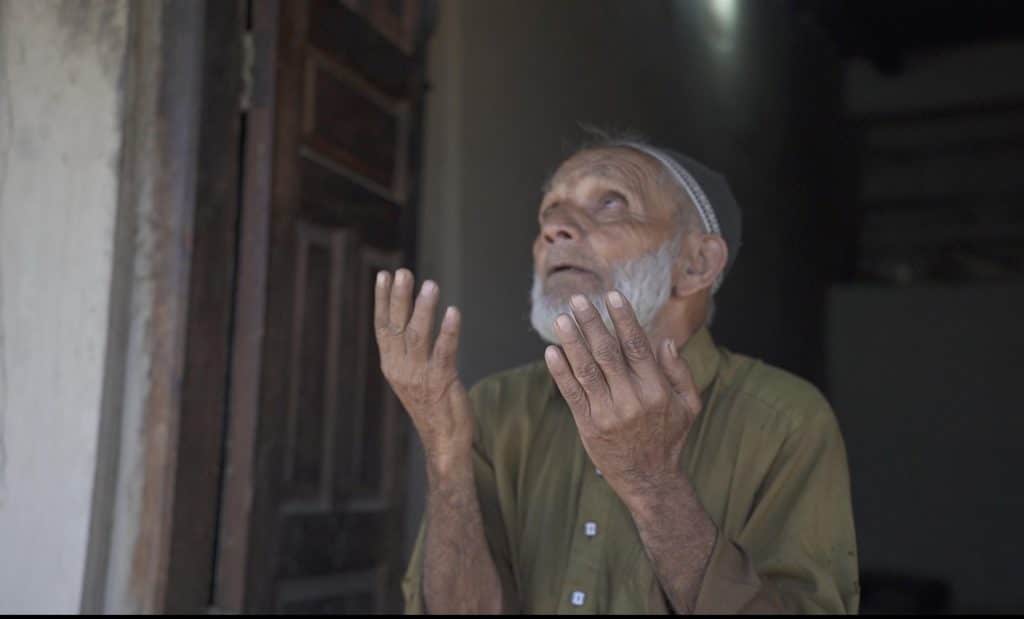
How will giving a waqf benefit my loved one?
When a person dies, they enter the Barzakh, an interval where souls wait between death and resurrection. It may be a blissful or painful experience, depending on how they lived their life.
Giving waqf is a way to try to ease a person’s experience in the Barzakh and to seek forgiveness ahead of judgement. Only Allah knows to what extent the waqf will benefit your loved one, but giving a waqf in their name will ensure the benefit and blessing reaches them.
How do I ensure the reward reaches my loved on?
Give with sincerity.
Set your intention to give the waqf in their name privately with The Most Merciful.
Mention their name when donating your waqf through The Waqf Fund. Every single donation has the option for you to specify the name of the person your donation is on behalf of.
Pray that Allah accepts your donation on behalf of your loved one.
What projects can I support when donating on behalf of someone else?
It’s possible to dedicate your waqf to another person when giving to any of our projects – all projects and sectors qualify and have the option of naming a loved one as the donor. Just select ‘In memory of’ at the checkout, input the name of your loved one, and we’ll do the rest!
Here are some projects that our supporters choose to dedicate on behalf of loved ones:
Water aid – supporting desalination plants, water wells in drought-hit areas, solar-powered water pumps and other sustainable sources of clean water.
Livelihoods – providing fruit trees, sewing machines, bee hives and chicks to help people to start businesses.
Education – Providing schools with playgrounds, IT equipment, and classrooms, and also providing children with nourishing meals, school sponsorship, and psychosocial support.
Explore our full range of sectors and projects to pick a waqf that’s right for your loved one.
How do I donate?
Visit our Gift a waqf page. Choose any amount that you’d like to give – we pool your donation with others, invest in halal assets and use only the profits to support your chosen charity each year. Your initial donation amount is never owned or used, and stays invested, growing and bringing benefits to your loved one, inshallah.
Send blessings and mercy to your loved one, now and for years to come. Dedicate a waqf to someone who has passed away to ease their hereafter and comfort your loss.